



 What You Need to Know
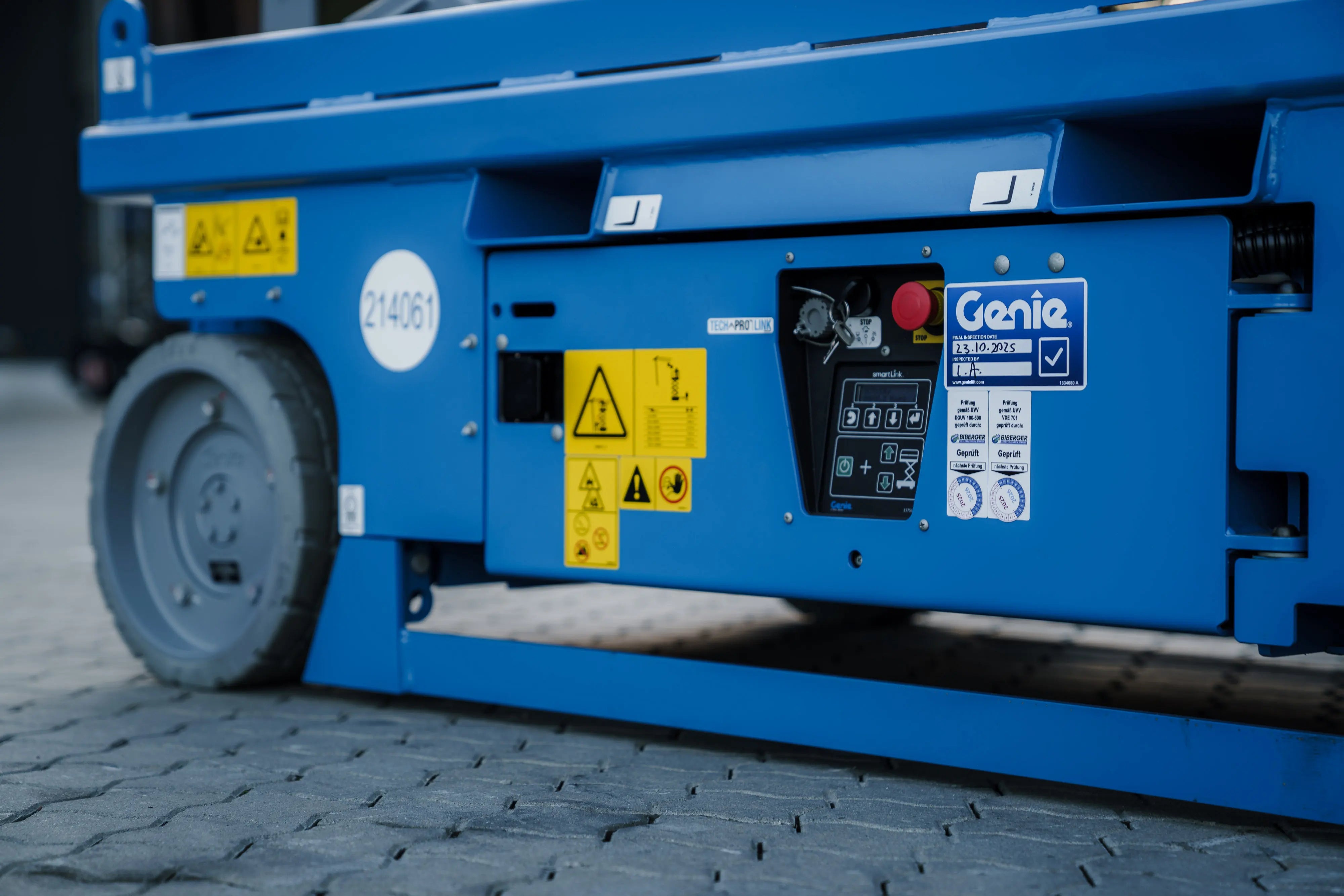
In one of our last articles, we introduced the various safety features of aerial work platforms . Today, we're focusing on a particularly important feature of scissor lifts: the pothole guard . This seemingly inconspicuous device is a key component of the safety equipment—especially on uneven surfaces, floor openings, or steps that can be dangerous when moving the platform in the extended position.
In this article, you'll learn what pothole protection is, how it works, and what safety regulations apply . We'll also show you what you need to pay attention to during maintenance, inspection, and use to ensure safe operation of scissor lifts.
What is pothole protection?
Pothole protection is a safety-relevant feature that comes standard on many scissor lifts. It prevents the platform from tipping over if a wheel encounters a depression or hole in the ground while moving in the extended position. The system intervenes automatically before stability is compromised.
Depending on the model, the pothole protection system operates with permanently mounted or automatically extending elements that reduce the ground clearance between the wheels. This increases the contact area and significantly improves the stability of the platform – especially on construction sites with uneven terrain or hollows in the ground.
How does the pothole protection work?
Pothole protection is activated as soon as the scissor lift reaches a certain lift height. In this condition , the ground clearance is automatically reduced – usually by mechanical flaps or protective shields that lower between the wheels. At the same time, the control system reduces the travel speed to increase stability during travel.
Most systems work with lift height sensors or limit switches that detect when the platform is extended beyond a defined height. Typical response times are 1–2 seconds, and the extension travel of the protective elements is 80 to 150 mm , depending on the model. This safely compensates for floor depressions of up to 50 mm without the platform tipping over.

System variants in comparison
Pothole protection systems vary depending on the manufacturer and platform class. There are basically two variants:
- Fixed safety bars: mechanically mounted, low-maintenance, lightweight, no moving parts – ideal for small stages.
- Automatic folding blades: motor- or hydraulically controlled, respond to lifting height, offer greater comfort, but require more maintenance.
Both versions are CE-certified and must comply with the requirements of EN 280 (Mobile Elevating Work Platforms – Design and Safety). Additional requirements arise from DGUV regulations 100-500 and 113-020 for the safe operation of platforms.
Maintenance and inspection of the pothole protection
To ensure the pothole protection system functions reliably, regular inspections and tests are required. A visual inspection must be performed before each use, particularly for damage, loose fasteners, or bent components.
The main inspection is carried out as part of the annual safety inspection in accordance with DGUV Regulation 70. This includes testing the extension mechanism, sensors, and system functionality. Typical wear parts include plain bearings, bolts, and spring mechanisms, which must be replaced as needed.
Checklist for the functional test
- Before use: Visual inspection for damage or contamination
- Lifting test: Raise the platform, pothole protection must extend automatically
- Functional test: Movement smooth and without blocking
- Reset: When lowering, the system must retract completely
- Documentation in the test report after successful test

Transport and handling
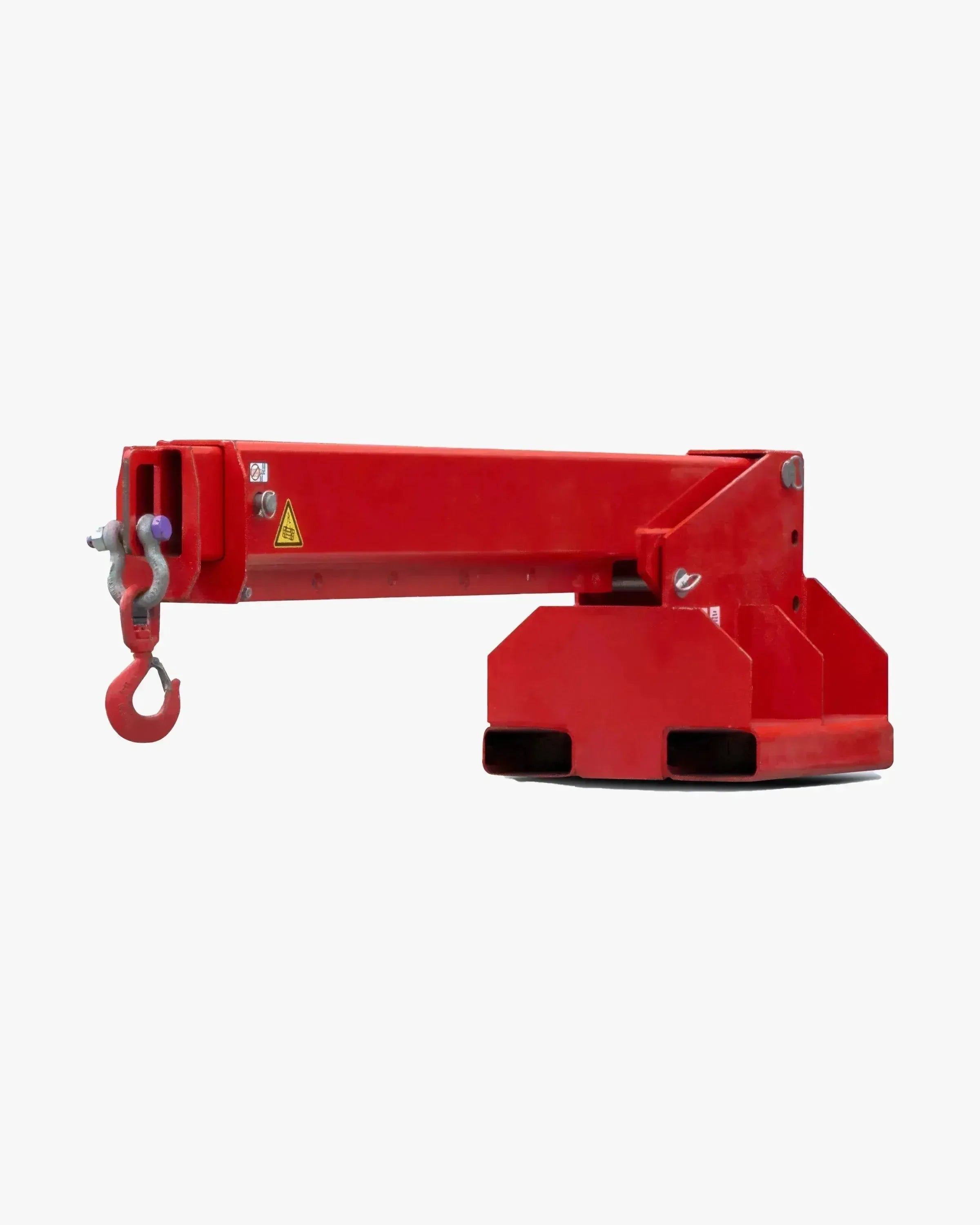
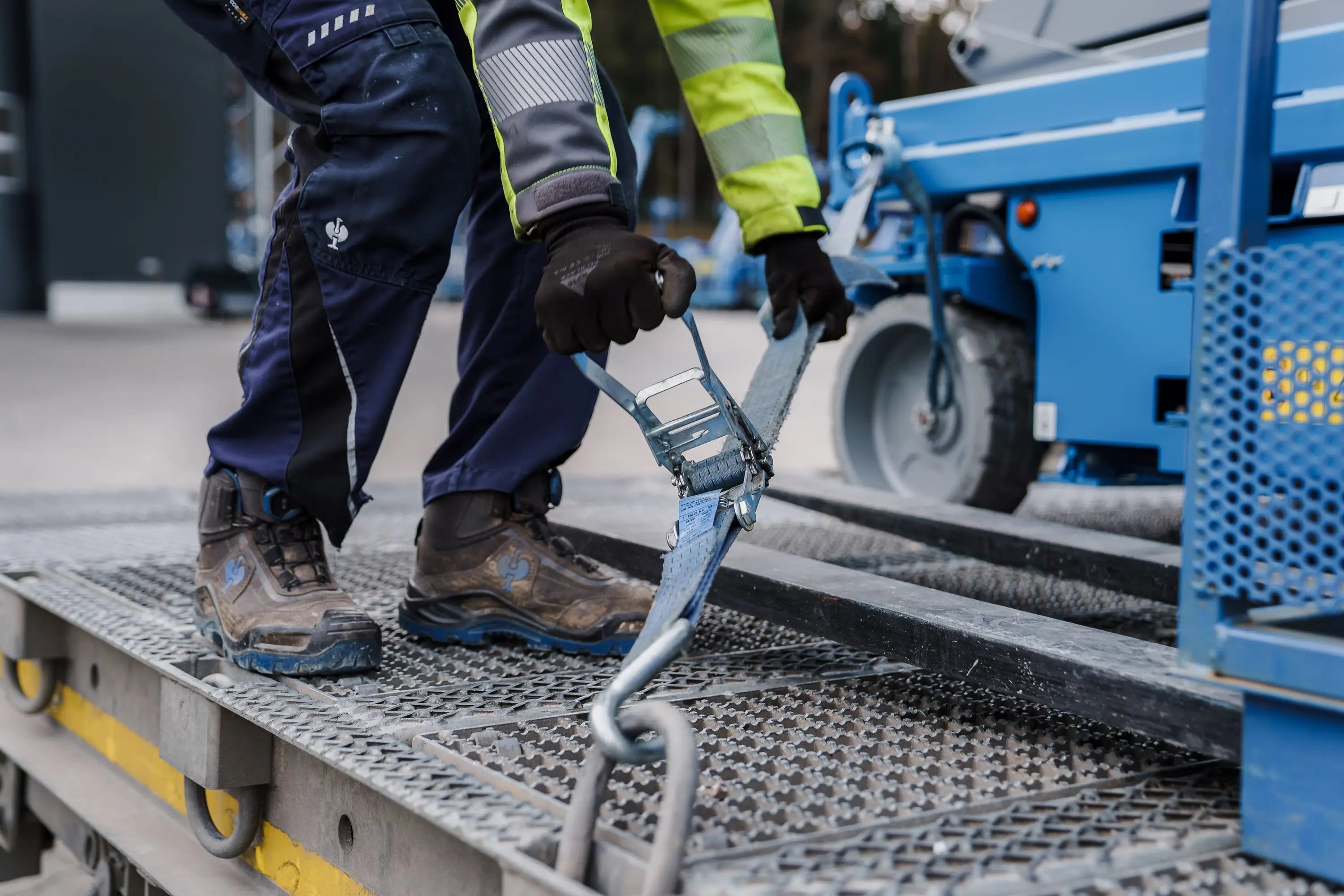
Special care is required during transport or loading. Work platforms may only be lifted using forks or other industrial trucks at the designated lifting points . Improper lifting may damage the pothole guard or impair its function.
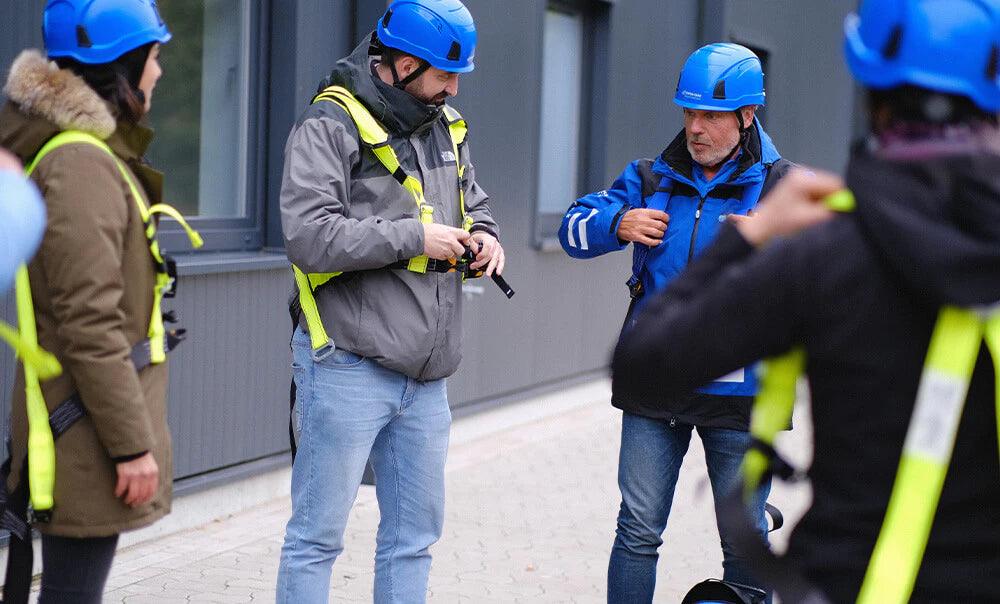
Damaged components pose significant safety risks . Therefore, only trained personnel may load or transport platforms. Before each transport, check that the pothole guard is retracted and secured.
Practice and manufacturer examples
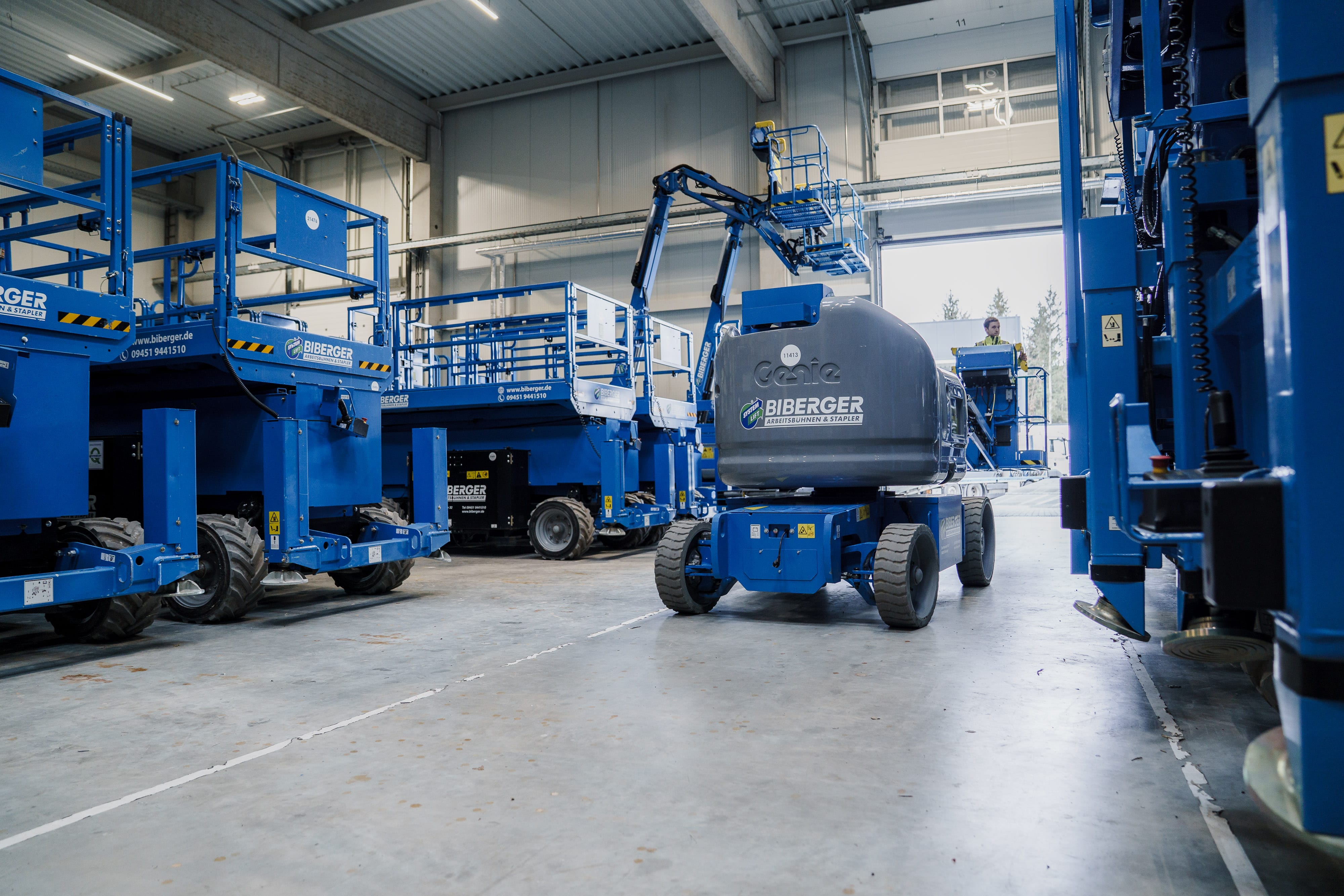
Most leading manufacturers, such as Genie, JLG, and Haulotte , equip their scissor lifts with pothole protection systems as standard. The Haulotte Compact series incorporates permanently installed steel plates, while Genie and JLG use automatic folding mechanisms on their 8-12 meter models.
Field tests show that the pothole protection system prevents accidents, particularly when driving over depressions or manhole covers . In internal tests, the overturning moment was reduced by up to 40% when the protection system was activated.
Mega-Decks: Support systems for maximum stability
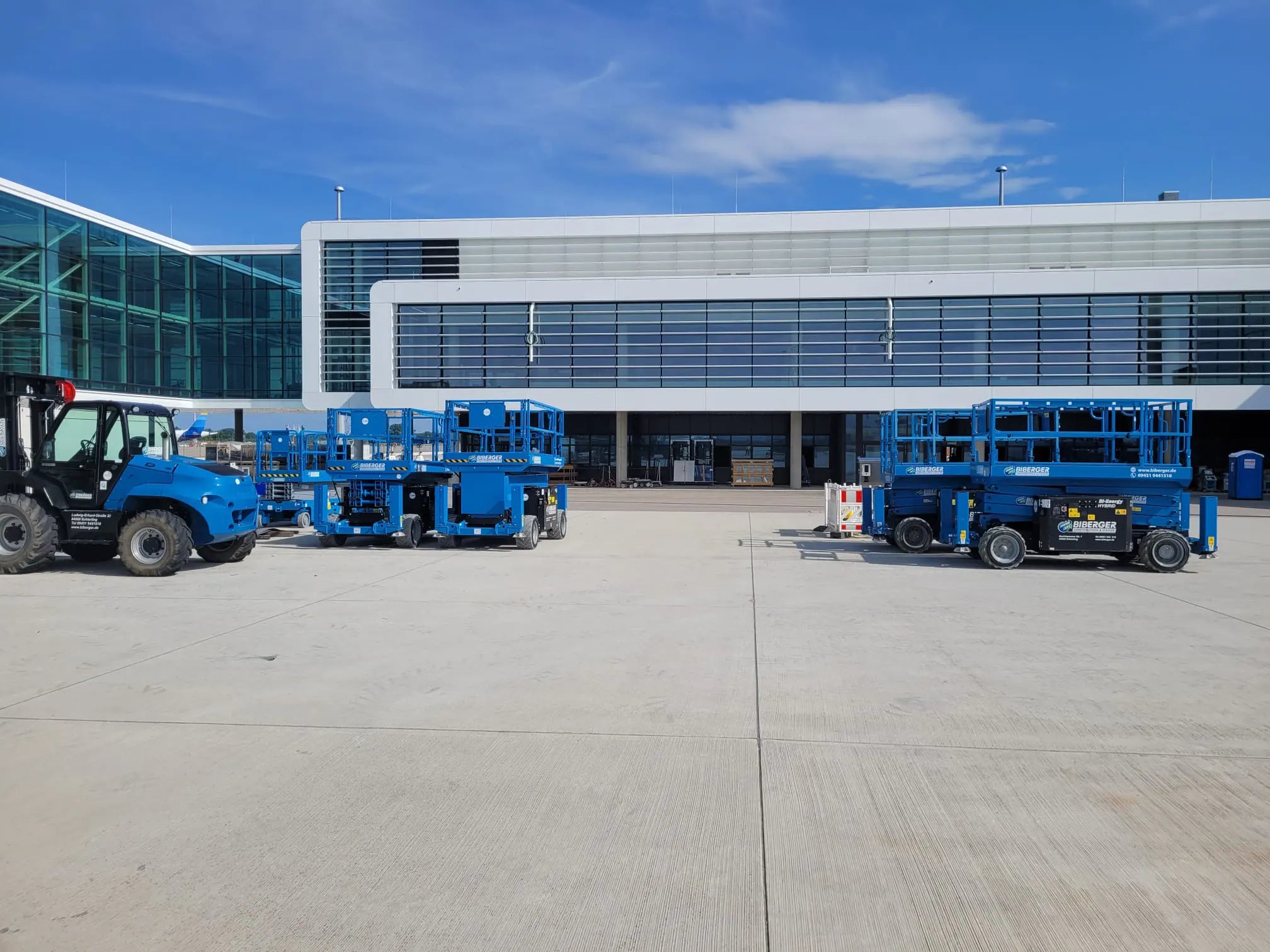
Large scissor lifts, known as mega-decks , also feature stabilizing outriggers . These are manually extended and automatically compensate for uneven ground. The outriggers distribute the weight evenly and increase stability, especially on soft or sloping ground.
Substructure plates are mandatory here to prevent sinking. Movements on the platform or heavy loads have a significant impact on stability – the support systems reliably secure the stage against tipping or slipping.
Conclusion: Indispensable safety for everyday use
The pothole protection system is an inconspicuous but central safety system on modern scissor lifts. It protects against accidents when moving in the extended position and meets the requirements of EN 280 and DGUV regulations . Regular inspections, correct handling, and trained personnel are crucial for safe operation.
At BIBERGER , you get tested scissor lifts with complete safety features – including pothole protection, CE certification, and documentation according to manufacturer specifications. This ensures you work safely, efficiently, and in compliance with standards.




Share:
Maximum climbing ability: Are off-road platforms suitable for every terrain?
Floor Load from work platforms: basics, risks and solutions
Our editorial quality standards
The subject content on biberger.de are editorially created, reviewed, and continuously updated. The basis is our daily work with aerial platforms, telehandlers, and industrial trucks – in rental, sales, operational planning, and technical support.
Each article draws on real-world experience and is editorially reviewed for clarity, accuracy, and practical relevance according to expert criteria. Technical statements are regularly compared against current industry standards and best practices.
The aim of our publications is to make reliable specialist knowledge accessible and to offer guidance to users, decision-makers and industry partners. BIBERGER sees itself as an independent information platform for safe, economical and modern height access technology – well-founded, comprehensible and free from advertising influence.