


 What You Need to Know
A moment of inattention
7:15 a.m. A forklift driver begins his early shift. Routine. He only gives the forklift a cursory check – time pressure, the truck is waiting. On the third lift, the fork tine snaps at an old weld. The pallet tips over; his colleague just manages to jump out of the way. No one is injured, but it could have been much worse.
Such situations happen daily – usually not out of ignorance, but out of habit. The job of a forklift operator is demanding and requires more than just driving. It involves technical understanding, responsibility, and constant vigilance.
Legal basis: Driving only with a qualification
According to DGUV Regulation 68, industrial trucks may only be operated by persons who are at least 18 years old, qualified, and trained. Training is conducted according to DGUV Principle 308-001 and concludes with a theoretical and practical examination. Without valid certification, fines, claims for damages, and loss of insurance coverage may result in accidents.
Why mistakes happen – and how to avoid them
Most accidents are caused not by ignorance, but by routine. Drivers who have been accident-free for years often underestimate risks. Typical causes include time pressure, distraction, lack of feedback from colleagues, or overload in shift work. BIBERGER's training courses specifically teach participants how to recognize and overcome these psychological pitfalls.
Accident analyses by the employers' liability insurance associations show that over 11,000 reportable forklift accidents occur annually in Germany – around a third of which result in personal injury. Almost all of them could have been avoided.
The day begins: Checks before the first drive
The shift begins with a visual and functional inspection . It's mandatory and saves lives. A defective hydraulic system or a damaged tine can have catastrophic consequences.
Checklist for visual inspection
- Fork tines: cracks, deformations, securing
- Hydraulic lines: leaks, chafing
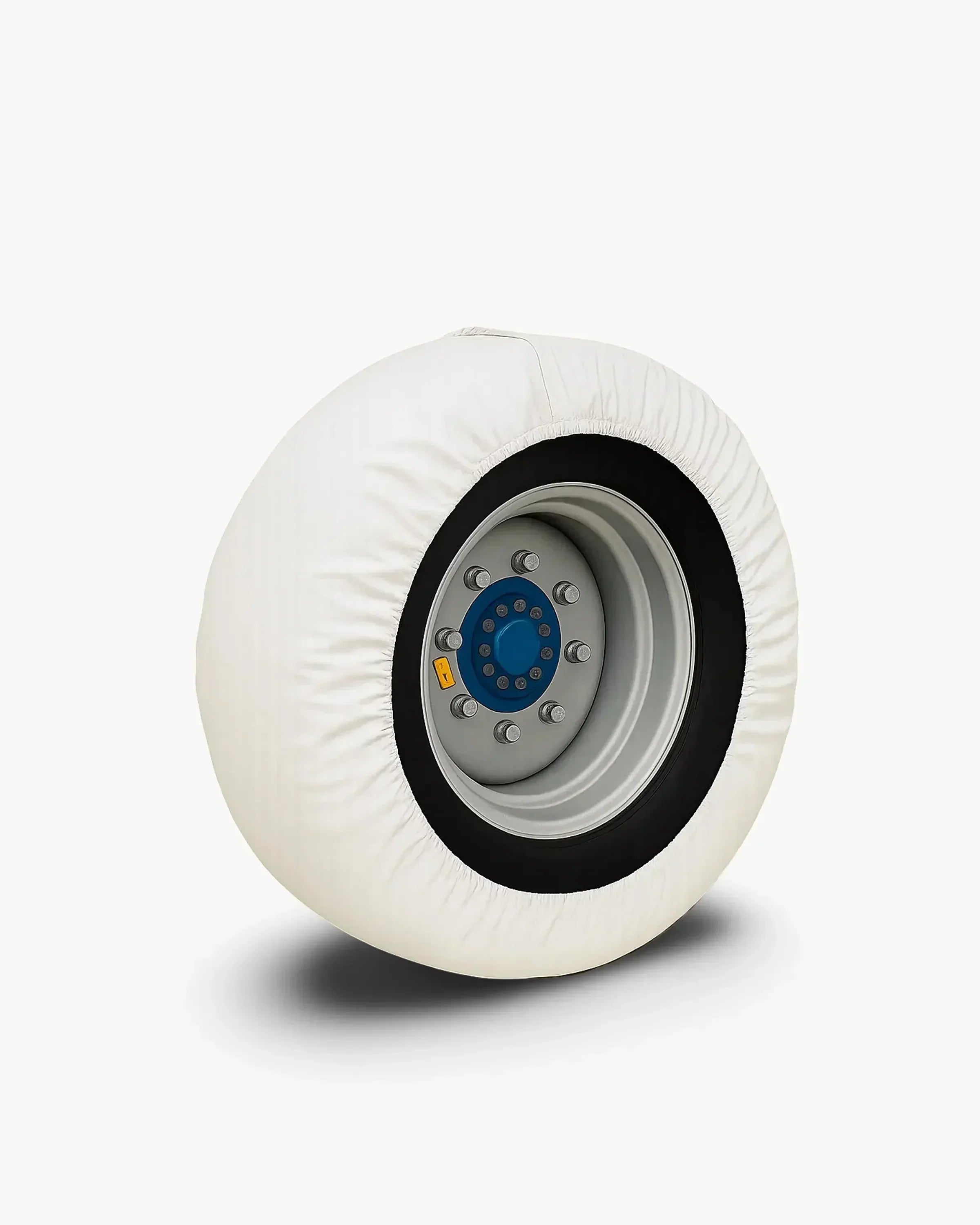
- Tires: condition, air pressure, wheel nuts
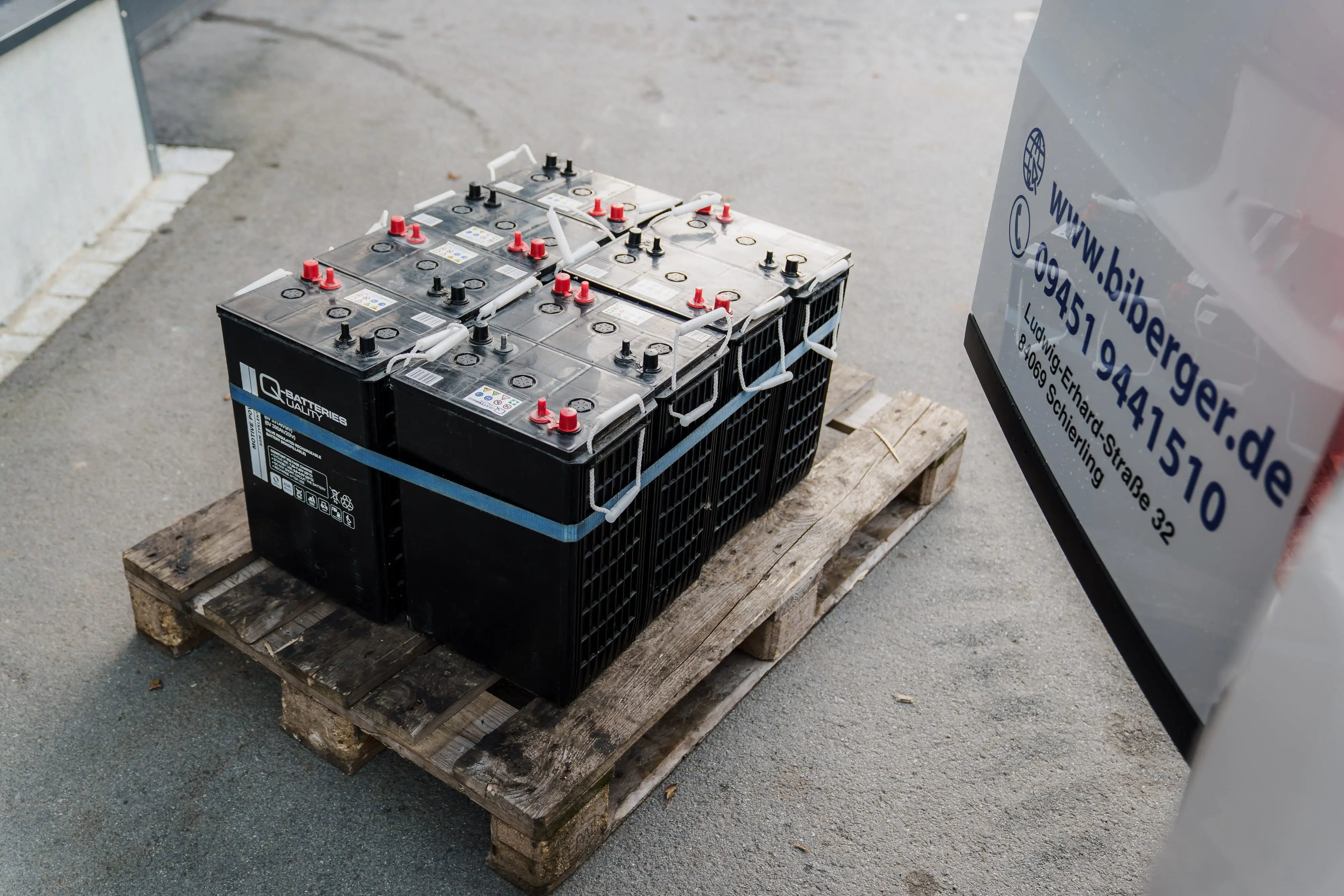
- Battery/Propellant: Mounting, fill level, leak tightness
- Steering, brakes, horn, lights
- Driver protection roof and load protection grille
Defects must never be ignored. BIBERGER training courses teach drivers how to perform these checks efficiently and correctly – without any loss of time in the operational workflow.
Load bearing and stability
A forklift remains stable only as long as its center of gravity lies within the stability triangle – defined by the two front wheels and the pivot point of the rear axle. Any change in lifting height, tilt, or load distribution shifts this center of gravity. Even a few centimeters can determine whether it tips over or remains stable.
Real-world example: A customer from Lower Bavaria reduced his forklift accidents by 40% after BIBERGER introduced load capacity analysis with practical exercises in the System Card training.
Load center of gravity online calculator
Driving behavior and safe procedures
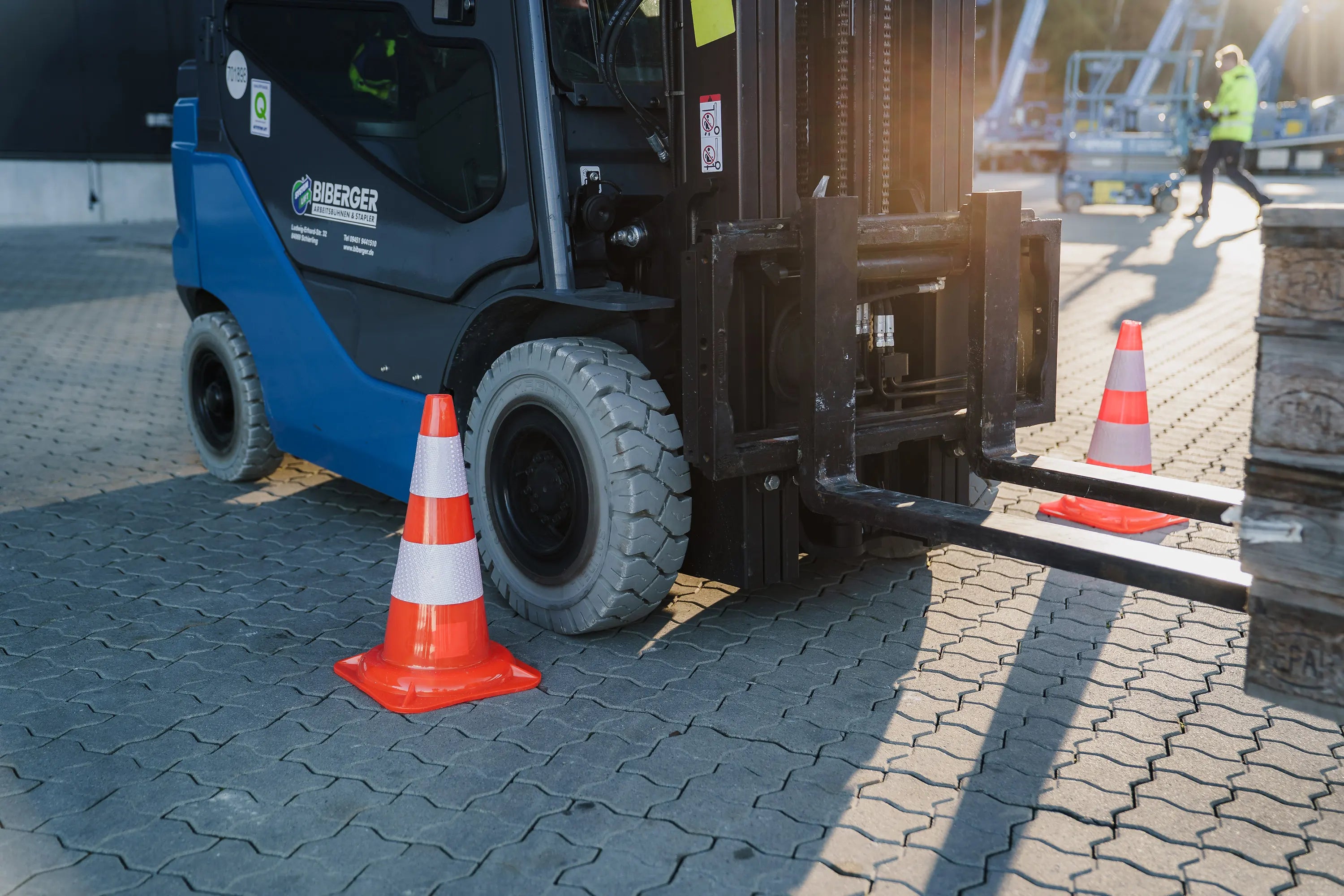
Rear-wheel steering, tail swing, inertia – a forklift reacts differently than a car. Speed, visibility, and center of gravity must be constantly monitored. Especially on narrow paths, ramps, or uneven surfaces, the following applies: drive with anticipation, keep the load low, and look in the direction of travel.
Common Misconduct
- Empty run with forks raised
- Excessive cornering speed
- Load absorbed on one side
- No seatbelt despite regulations
- Parking on slopes or in traffic routes
Establish a safe routine
BIBERGER trains drivers to standardize procedures – “routine without recklessness”. Small changes in behavior (e.g., documenting visual inspections, marking safety distances, weekly team checks) can reduce risks in the long term.
Special operational situations
narrow aisle bearing
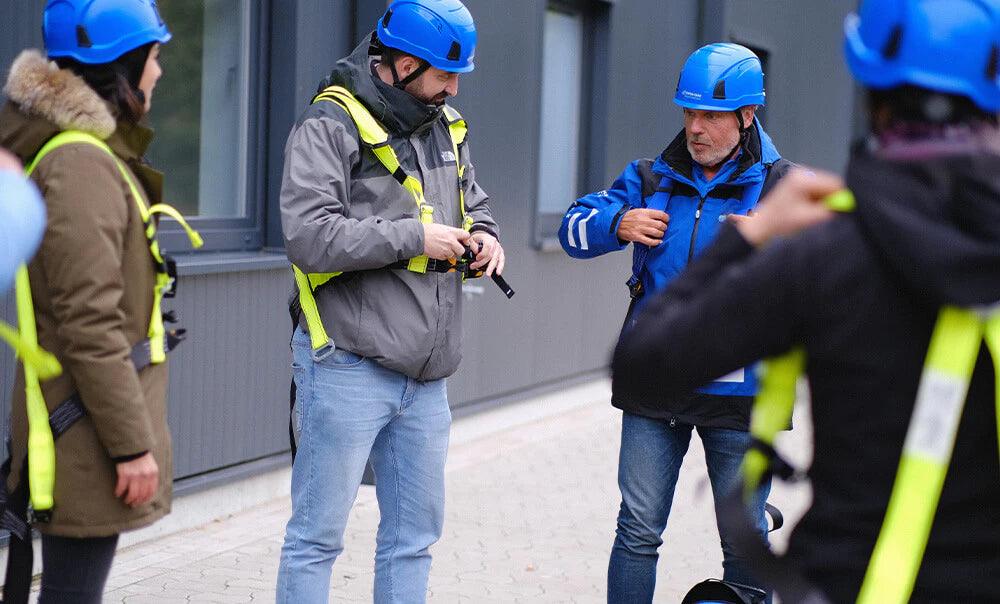
In narrow-aisle warehouses, the distance to obstacles is minimal. Only trained drivers with technical guidance and personal protection systems are permitted to work here. BIBERGER trains for these scenarios in its own training center – using realistic bottleneck simulations.
Field operations and terrain
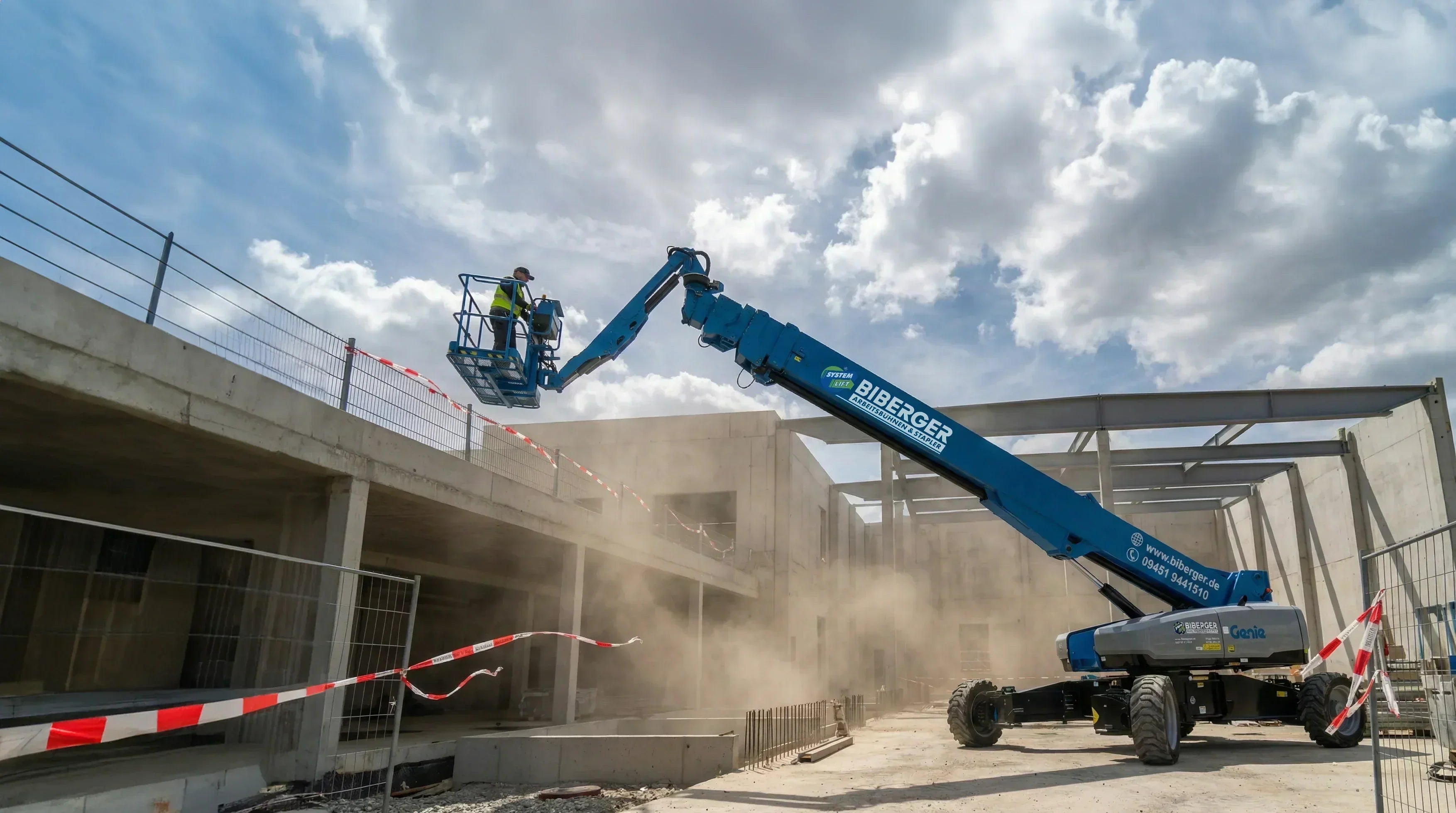
Uneven ground, wind, slopes – different rules apply outdoors. Rough terrain telescopic handlers require separate qualification according to DGUV 308-009 . Training courses at BIBERGER include practical exercises with all-wheel drive and rotating superstructure forklifts on the test track in Schierling.
Career and Development
Driving a forklift is more than just a job. Specializing increases your market value. According to industry statistics, additional training for reach trucks or telescopic handlers can lead to salary increases of 15–25% . Career advancement opportunities, such as shift supervisor or logistics manager, are also available – BIBERGER supports participants on this path.
Digitalization and assistance systems
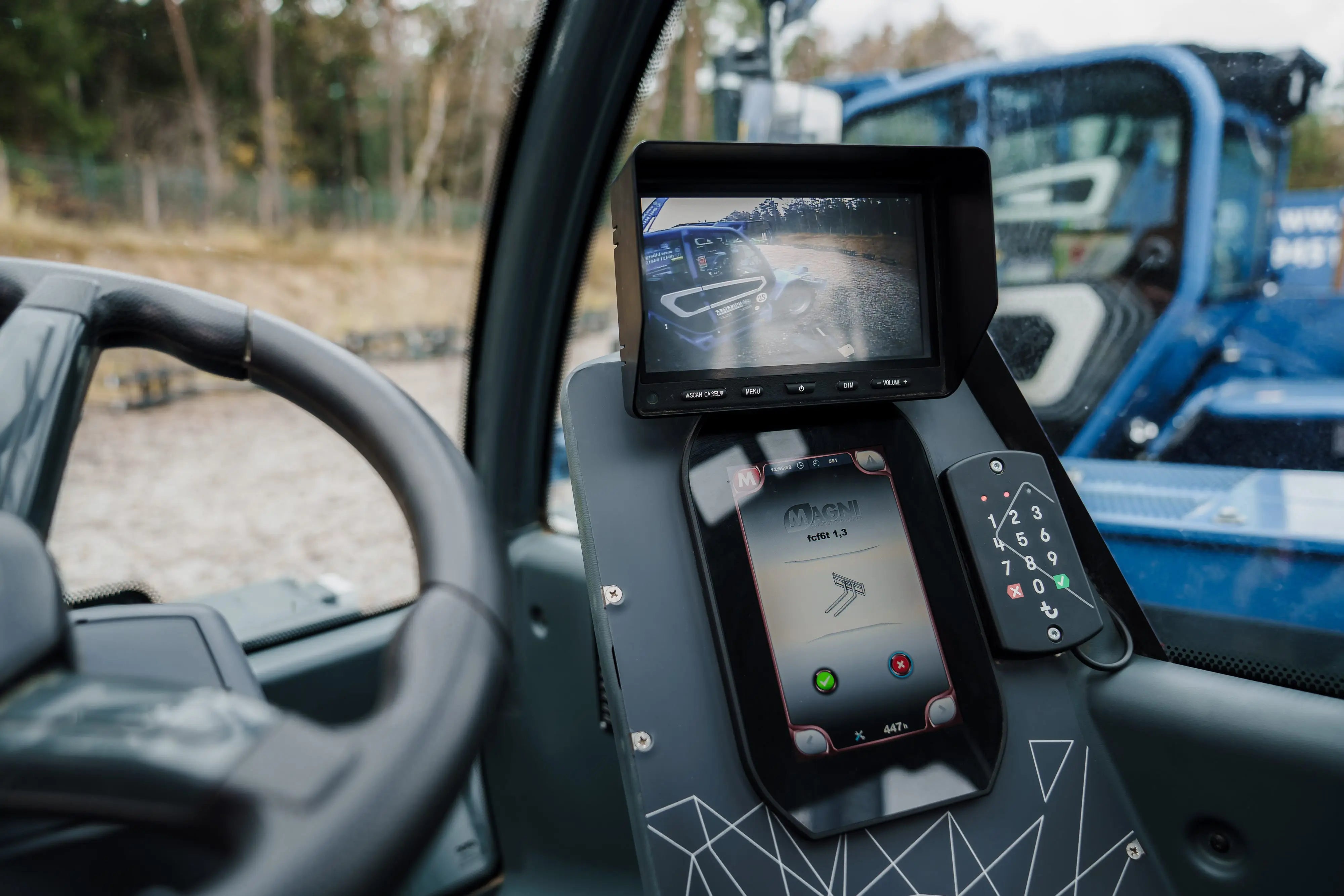
Modern warehouses rely on sensors and AI. Fleet management systems from manufacturers like Jungheinrich, Linde, and Still analyze driving behavior, energy consumption, and maintenance cycles in real time. Collision detection, speed limits in zones, and automatic lift height limitation measurably increase safety.
BIBERGER integrates these developments into training courses and explains how drivers can effectively use digital systems without relying on them. Humans remain the crucial safety factor.
SYSTEM CARD training at BIBERGER
The SYSTEM-CARD® forklift training at BIBERGER combines theory, practice, and e-learning. Participants complete real-world driving exercises with different types of forklifts, learn practical accident prevention techniques, and can complete their annual refresher training online. Companies receive all the necessary documentation for their employers' liability insurance association and audits.
Information about the forklift license
BIBERGER operates training centers in Schierling near Regensburg, as well as partner locations in Landshut, Dingolfing, and Munich. For large clients, the team offers in-house training with rental equipment and safety workshops directly at their premises.
Conclusion: Security arises from awareness
Operating a forklift requires precision – routine offers no protection against danger. Those who understand the technology, check procedures, and consistently follow safety rules not only drive better but also protect colleagues, materials, and the company.
Forklift license exam questions online test




Share:
CAN bus and J1939 diagnostics in construction machinery
Lifting loads – selecting and safely using lifting equipment
Our editorial quality standards
The subject content on biberger.de are editorially created, reviewed, and continuously updated. The basis is our daily work with aerial platforms, telehandlers, and industrial trucks – in rental, sales, operational planning, and technical support.
Each article draws on real-world experience and is editorially reviewed for clarity, accuracy, and practical relevance according to expert criteria. Technical statements are regularly compared against current industry standards and best practices.
The aim of our publications is to make reliable specialist knowledge accessible and to offer guidance to users, decision-makers and industry partners. BIBERGER sees itself as an independent information platform for safe, economical and modern height access technology – well-founded, comprehensible and free from advertising influence.