




 What You Need to Know
Key problem: Why wind loads are so often underestimated
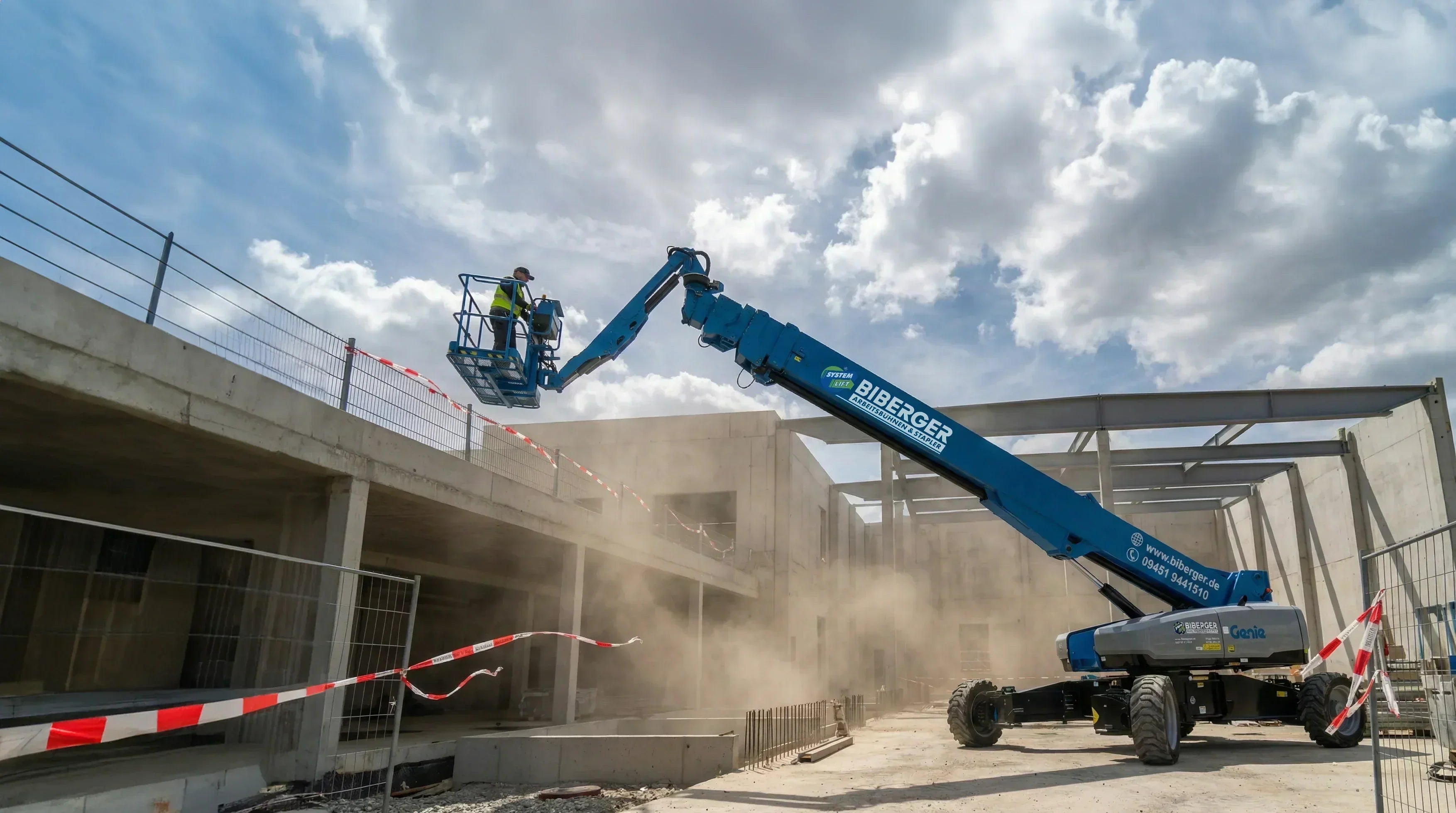
Wind load is one of the most underestimated risks when using aerial work platforms. At ground level, wind force 6, with 12.5 m/s or around 45 km/h, often seems relatively harmless. You can move freely, and only larger branches begin to visibly move. It is precisely this subjective perception that leads to wind at working height being misjudged.
At working heights of 15, 30, or more than 60 meters, however, the conditions change fundamentally. With increasing height, wind speed increases significantly, and the boom of a stage presents a large surface area to the wind . This considerably amplifies the forces, and seemingly moderate wind speeds can critically affect stability.
At a height of approximately 20 meters, wind speed is typically about 50 percent higher than at ground level. A speed of 12.5 m/s quickly becomes 18.75 m/s. Additionally, a so-called nozzle effect occurs at building corners, between buildings, or in front of open facades. The wind concentrates in these areas and can locally reach twice its strength compared to open terrain.
Normative requirements and rules
DIN EN 280 as a basis
DIN EN 280 "Mobile elevating work platforms" defines the essential stability requirements and specifies the permissible wind loads. All modern work platforms are designed and tested according to these specifications. They thus form the decisive set of rules for safe outdoor use.
The standard is based on the following calculation values:
- Maximum permissible dynamic pressure: 100 N/m²
- This corresponds to a wind speed of 12.5 m/s (force 6).
- This corresponds to approximately 45 km/h and clearly recognizable movements of thick branches.
Important for your work: Many older stages were designed for significantly lower wind speeds. Some models only allow 8–10 m/s. Therefore, you must check the nameplate and operating instructions before every use.
Beaufort scale and practical guidelines
| Wind force | Beaufort | km/h | m/s | perception | Use of a work platform |
|---|---|---|---|---|---|
| 4 | moderate breeze | 20–28 | 5.5–7.9 | Branches move | Possible without restrictions |
| 5 | fresh breeze | 29–38 | 8.0–10.7 | larger branches move noticeably | Normal use possible |
| 6 | strong wind | 39–49 | 10.8–13.8 | thick branches move | only according to manufacturer's instructions |
| 7 | stiff wind | 50–61 | 13.9–17.1 | entire trees sway | Use prohibited |
| 8+ | stormy | 62+ | 17.2+ | Trees are being moved a lot | Use prohibited |
In practice, the limit is almost always wind force 6. Above this load, the use of stages without special certification is not permitted.
Physical principles of wind loads
Dynamic pressure formula
The dynamic pressure q describes the force that the wind exerts directly on a surface. The formula is:
q = 0,5 × ρ × v²
with:
- ρ = air density (approx. 1.25 kg/m³)
- v = wind speed in m/s
- q = dynamic pressure in N/m²
At wind force 6, a dynamic pressure of approximately 100 N/m² results. This value forms the basis for the design of all modern outdoor work platforms.
Wind power on open land
You can calculate the actual wind power W on an area A using:
W = q × A × c p
The shape coefficient c<sub> p</sub> takes the geometry of the surface into account. Smooth sheets or panels often have a high coefficient, which can mean that the actual wind force is significantly higher than the base value. This effect is frequently underestimated in practice.
Wind load specifications for people, materials and components
Wind load on people
According to DIN EN 280, a person's wind exposure area is assumed to be 0.7 m². At wind force 6, this results in a force of approximately 70 N acting on the body. In reality, larger people or clothing with a larger surface area can significantly exceed this value.
Wind load on material and tool
The standard allows for a wind load of only 3 percent of the maximum payload for transported materials. This value is extremely low, and large-area elements in particular quickly exceed this limit.
A typical example from practice:
Case 1: Profiled sheet metal panel 0.95 × 2 m
- Wind area: 1.9 m²
- Theoretical wind load according to standard: 0.018 kN
- Actual wind load at wind force 6: 0.19 kN
This means the actual value is approximately ten times the norm. Safe transport is only possible in very light winds.
Case 2: Same sheet metal at wind force 3
- Dynamic pressure: 12.5 N/m²
- Wind load: approximately 0.024 kN
Here too, the permissible value is exceeded. The wind load on large-area materials is therefore a crucial risk factor.
Stability calculation: Stabilizing moment versus overturning moment
A stage is only stable if the stabilizing moment is greater than the tipping moment:
M S > M K
The tipping moment arises from wind force, personnel load, material load, and unfavorable leverage ratios. With boom lifts, the load on a single support can increase to up to 80–90 percent of the total weight. Without adequate support, there is a significant risk of sinking and tipping.
Common mistakes and critical situations
Error 1: No wind measurement on site
Many rely on weather reports or their own assessment. This is dangerous, because weather stations measure at a height of ten meters, not at the working height of the stage. The only reliable method is an anemometer directly in the performance area.
Mistake 2: Using indoor stages outdoors
Indoor stages are not designed for wind. Even slight air currents can destabilize the machine. This repeatedly leads to serious accidents.
Error 3: Transporting large-area materials
Tarpaulins, sheet metal, or facade elements generate wind forces that quickly exceed permissible values. The result is an increased tipping moment.
Mistake 4: Underestimating the nozzle effect on buildings
Wind currents are intensified in narrow passages and corners. The actual forces there can be up to twice as high as in open terrain.
Error 5: Inclination limits ignored
Even slight inclines further increase the tipping moment. Combined with wind, the risk increases considerably.
Error 6: Overloading and incorrect weight distribution
Too many people or incorrectly placed material can shift the center of gravity unfavorably. This increases the risk of critical vibrations and tipping moments.
Error 7: Missing PPE
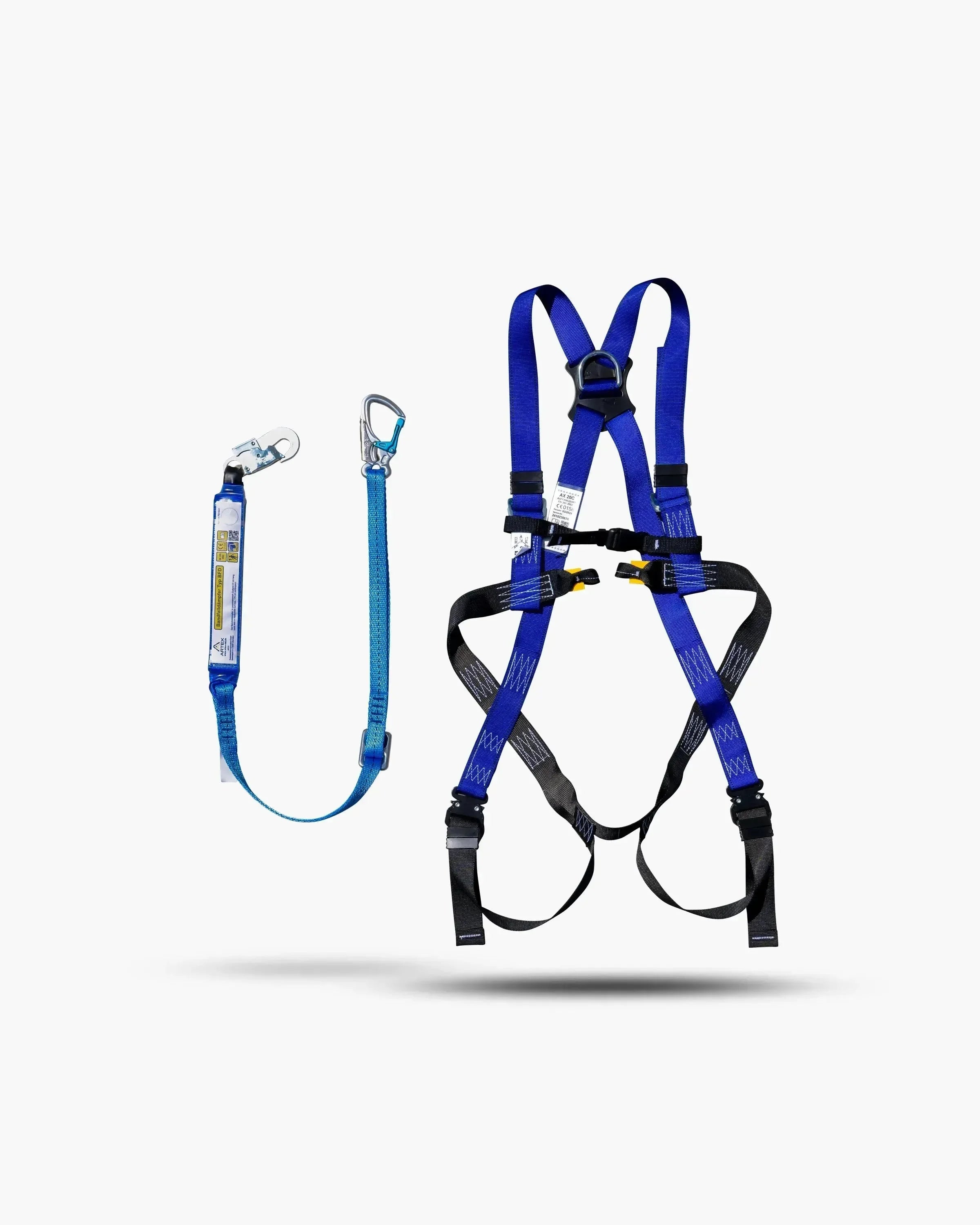
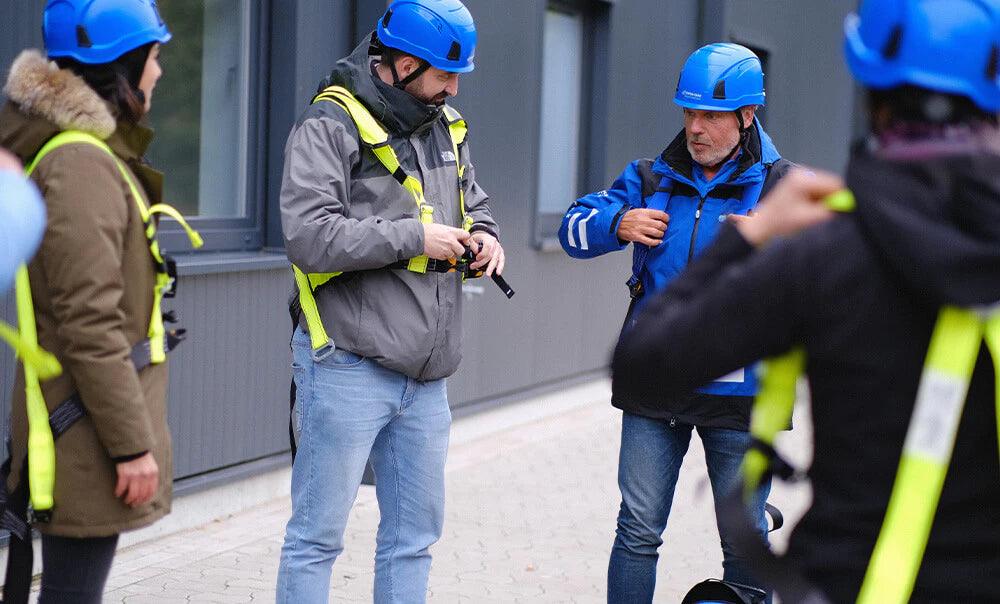
Gusts of wind or vibrations can cause the user to be thrown from the basket. Telescopic platforms must always be used with personal protective equipment against falls from height (PPEgA) to prevent this catapult effect.
Accident statistics: The most common causes
IPAF Global Safety Report 2016-2018
Of the 68 fatal accidents analyzed, most involved:
- Falls from height
- electric shocks
- entrapments
- Stage overturning
Working in an elevated position is particularly dangerous. Two-thirds of accidents occur when the boom is fully extended.
Why wind loads are so treacherous
Invisibility and misjudgment
Wind is difficult to predict, especially at high altitudes. You often only feel the physical strain once the stage has already reacted.
Dynamic forces caused by gusts
The standard uses average values, while in reality gusts occur that are 20–50 percent above the average. These peak loads can further strain stability and the structure.
Combination effects
Wind rarely acts alone. Inclination, projection, material load, and stage movements reinforce each other and increase the tipping moment.
Practical measures and protective precautions
Planning before deployment
Carefully examine the location. Narrow passages, building corners, or elevations significantly influence wind conditions. Choose a stage that is appropriate for the surroundings and the expected loads.
Large-surface materials should only be transported in low wind conditions. If in doubt, it's best to leave them on the ground.
Monitoring during the operation
Measure the wind regularly with an anemometer. Gusts can occur suddenly and require the platform to be lowered immediately. Avoid jerky movements and keep the platform as stable as possible.
Emergency measures
If the wind exceeds the permissible level, you must immediately stop the operation. Lower the platform and wait for more stable conditions. Avoid sudden steering movements in case of disturbances or vibrations.
Reasons for frequent misjudgments
Routine and habituation
Many operators have experienced numerous deployments without incident and therefore underestimate the danger. However, it is precisely this routine that leads to warning signals being ignored.
Pressure from deadlines
Clients often push for quick completion. This leads to risks being taken that could easily be avoided if sufficient time were allowed.
Inadequate training
Many people don't understand the underlying physics and therefore rely too much on gut feeling. But wind loads follow clear rules that one must know.
The type plate is missing or illegible.
A lack of information regarding permissible wind speed leads to incorrect decisions. You should always ensure that the machine and documentation are complete and legible.
Practical calculation examples
Example 1: Truck-mounted work platform with supports
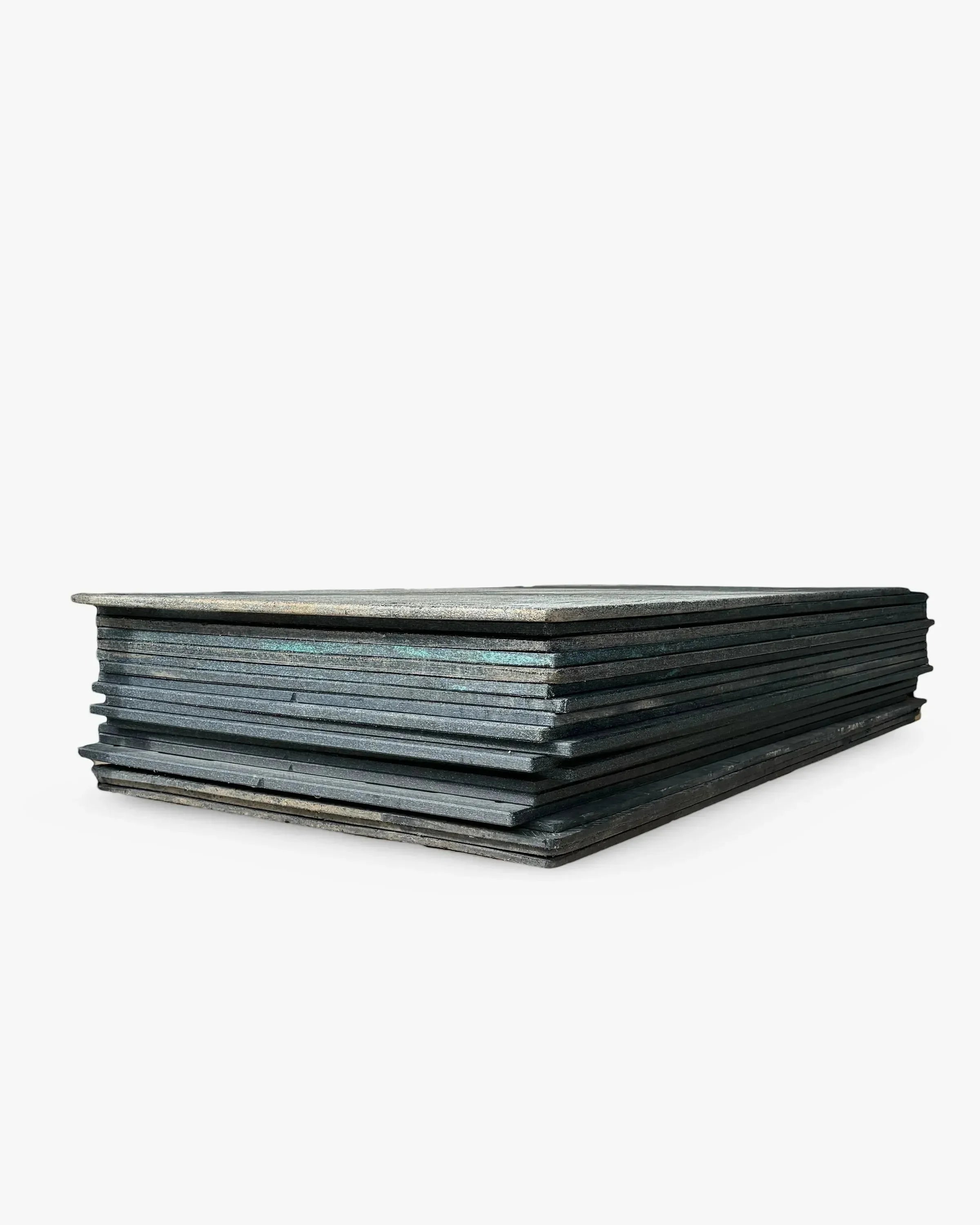
A 10-ton vehicle, at maximum extension, exerts up to 90 percent of its load on a single outrigger. Without sufficiently large support plates, this outrigger will sink in, and the platform can tip over. However, suitable plates can reliably reduce the ground pressure.
Example 2: Wind load at a height of 25 meters
A measured wind speed of 12.5 m/s at ground level often corresponds to approximately 18 m/s at a height of 25 meters. This doubles the dynamic pressure to about 200 N/m². A person then experiences a force of approximately 140 N, which significantly impairs stability.
Conclusion: Why wind loads must be taken seriously
Wind loads are particularly dangerous because they are invisible, difficult to assess, and dynamic. The forces increase considerably at height, and combined effects with overhang, material load, or inclination further increase the risk.
The most important preventive measures are:
- Always measure wind at working height
- Refer to the type plate and operating instructions.
- Calculate realistic wind load
- Avoid transporting materials with a large surface area if possible.
- Use PPE against falls from height (PPEgA) consistently when using telescopic platforms
Accident statistics clearly show that while tipping over isn't the most frequent type of accident, it's one of the most dangerous. The better you understand and consider wind loads, the safer you can work with aerial work platforms.



Share:
Aerial work platforms worldwide: An international comparison of markets, manufacturers & costs
Typical planning mistakes when using aerial work platforms for the first time – and how to avoid them.
Our editorial quality standards
The subject content on biberger.de are editorially created, reviewed, and continuously updated. The basis is our daily work with aerial platforms, telehandlers, and industrial trucks – in rental, sales, operational planning, and technical support.
Each article draws on real-world experience and is editorially reviewed for clarity, accuracy, and practical relevance according to expert criteria. Technical statements are regularly compared against current industry standards and best practices.
The aim of our publications is to make reliable specialist knowledge accessible and to offer guidance to users, decision-makers and industry partners. BIBERGER sees itself as an independent information platform for safe, economical and modern height access technology – well-founded, comprehensible and free from advertising influence.