


 What You Need to Know
Anyone who rents an aerial work platform relies on the equipment functioning safely. After all, the safety of operators, fitters, and other personnel on the construction site depends directly on the technical condition of the machine.
But how is it actually ensured that an aerial work platform is safe for the next customer after being used by a previous one? Who inspects the machine? What checks are carried out? And who is liable if damage or defects are found?
This guide explains what inspections aerial work platforms undergo, what obligations landlords and tenants have, and why professional rental fleets go to considerable effort before a machine is delivered again.
Why aerial work platforms must be inspected between two rentals
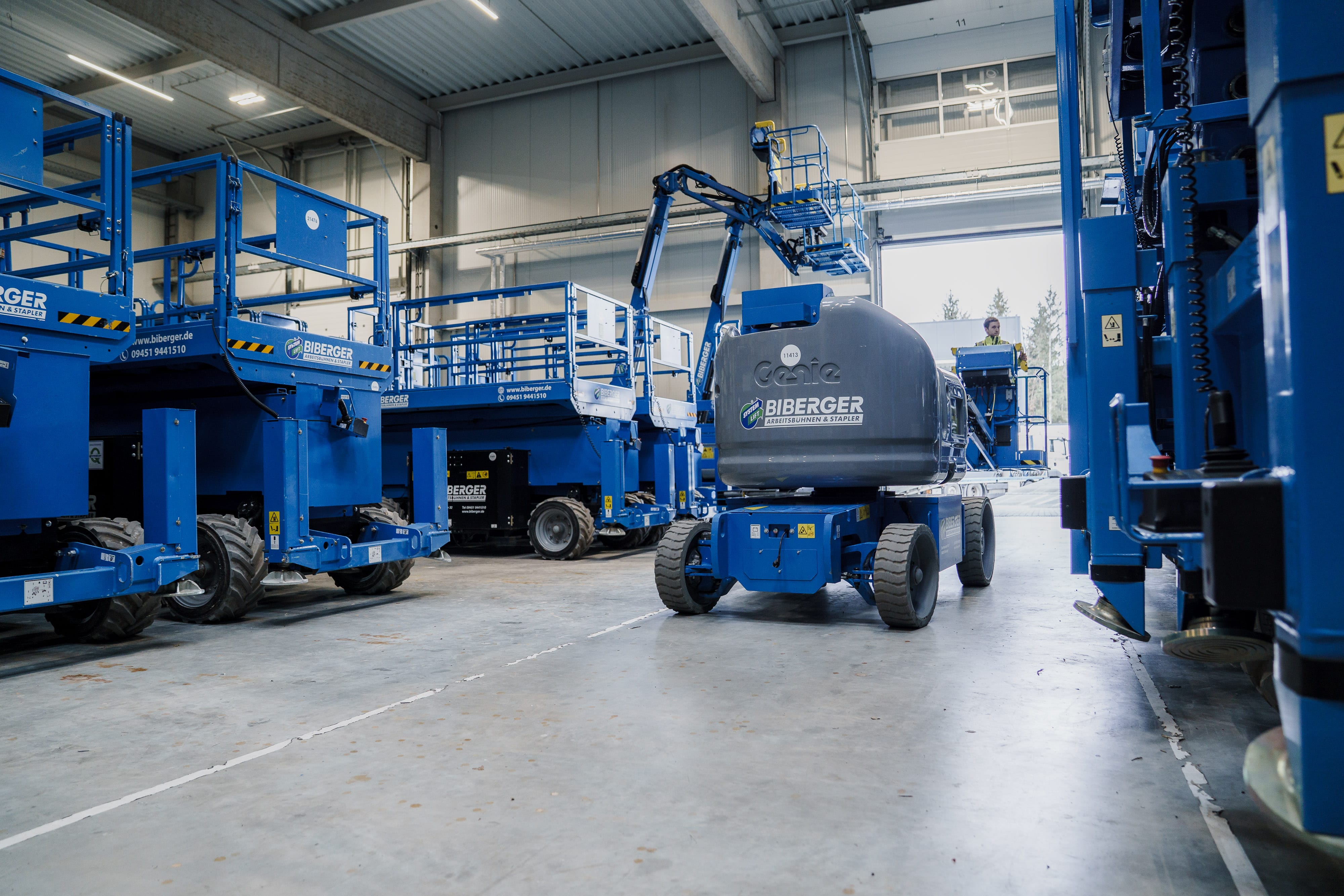
Aerial work platforms are considered equipment requiring supervision. They are frequently transported, used on different surfaces, and sometimes operated under demanding conditions.
Even minor damage can affect safety, stability, or function. That's why professional rental equipment is not simply passed on from one customer to the next.
Before each new rental, visual, functional, and condition checks are carried out.
The goal is to identify defects early and ensure operational readiness.
What checks are carried out after return
After return, the aerial work platform is first cleaned and examined for visible damage.
Among other things, the following are checked:
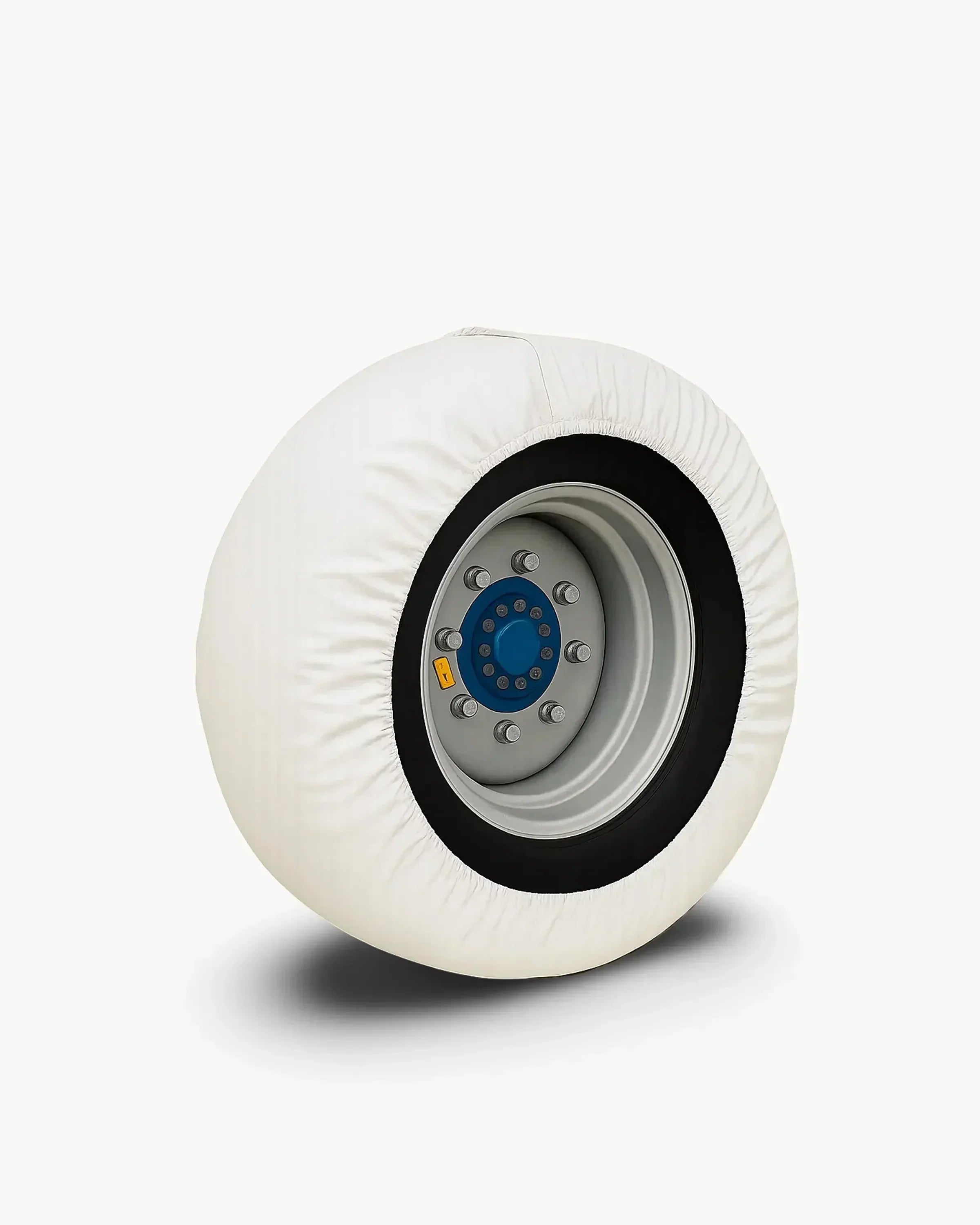
- Chassis and tires
- Guardrails and work cage
- Hydraulic lines
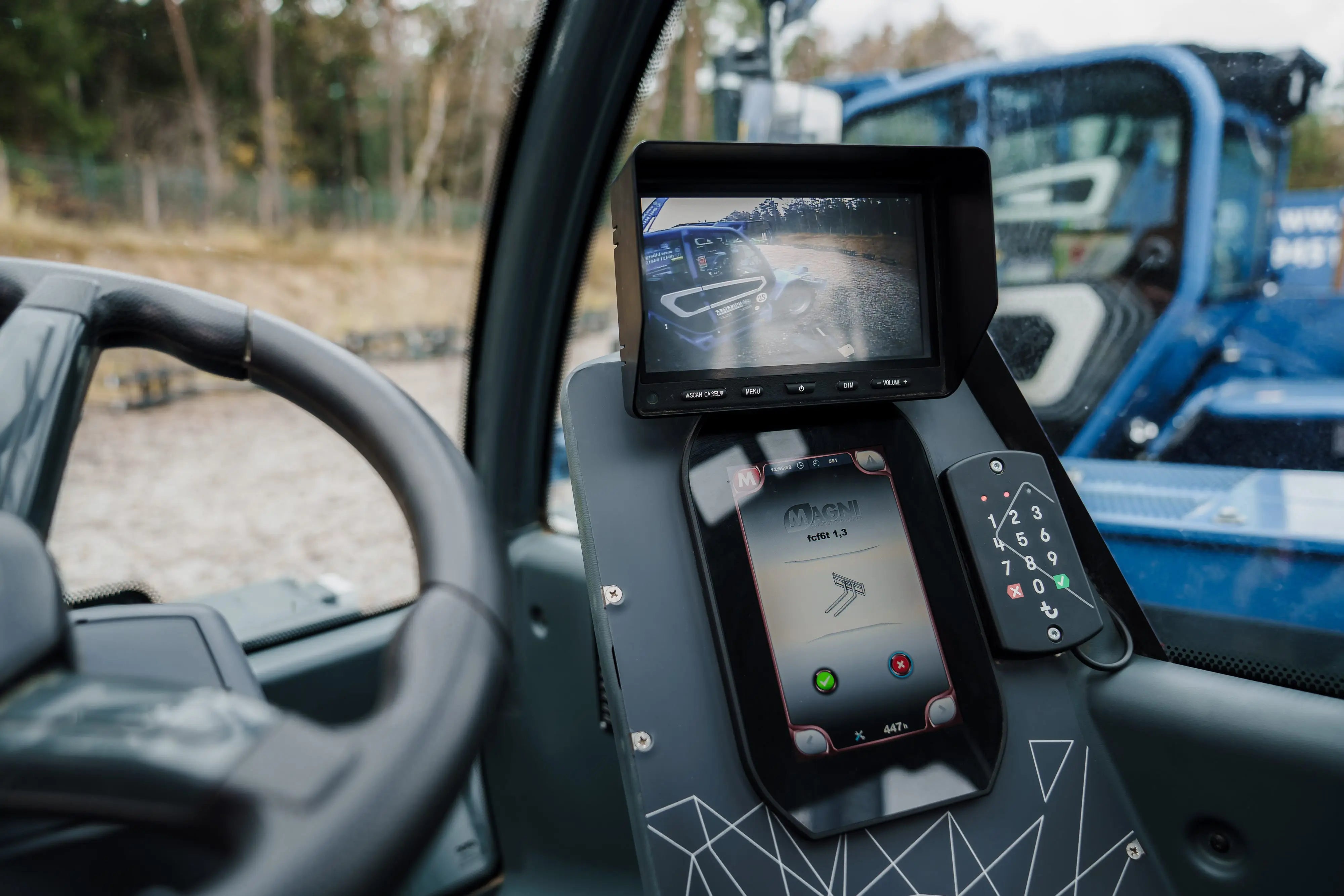
- Control elements
- Safety devices
- Emergency lowering systems
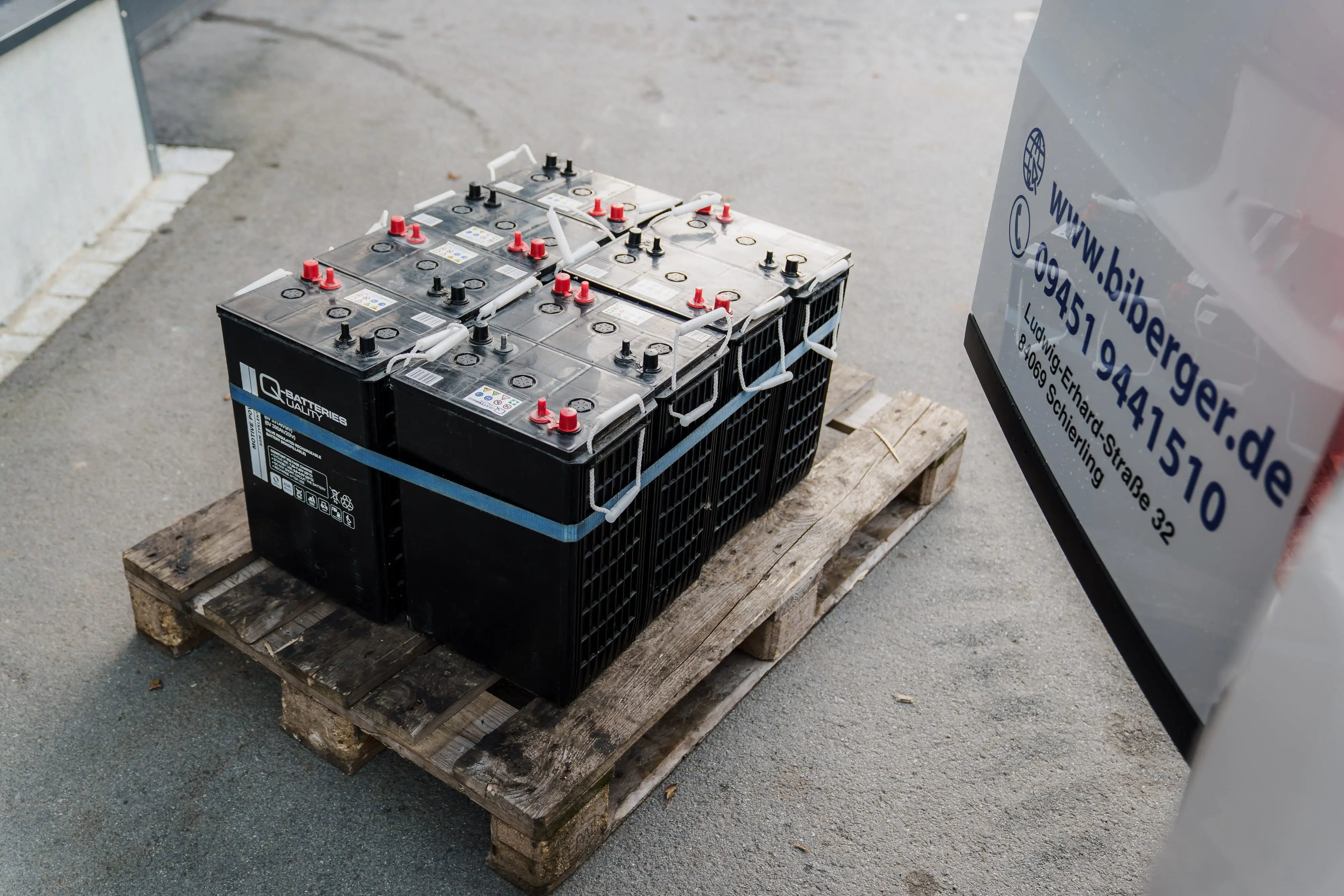
- Batteries or drive components
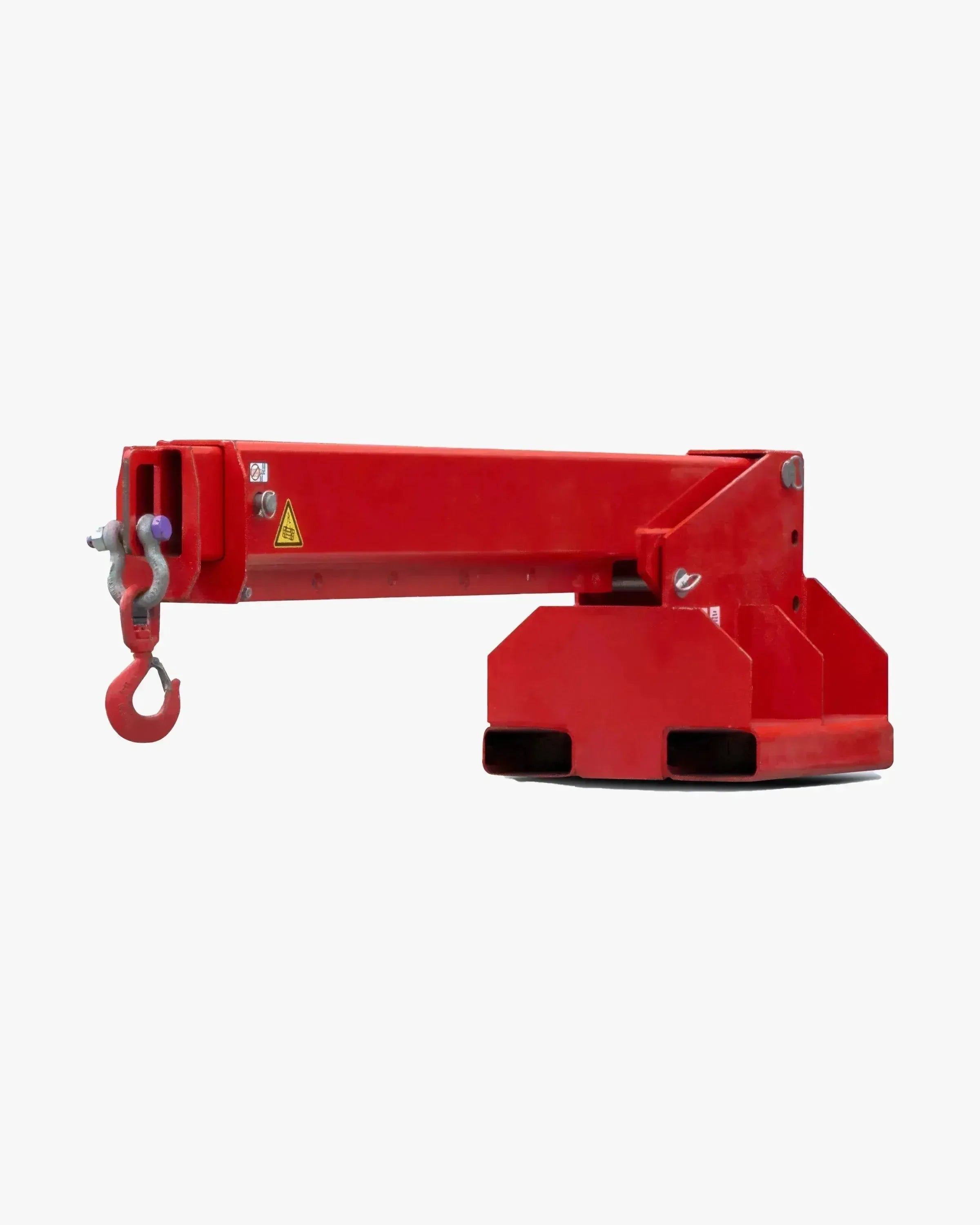
- Outriggers and booms
Cleaning is not just for appearance. Contamination can conceal damage and make a professional inspection more difficult.
What happens if damage is found?
If defects are found, their severity determines the further course of action.
Safety-relevant damage means that the aerial work platform may not be rented out again. The machine is removed from the rental inventory and repaired.
Typical examples are:
- Damaged guardrails
- Defective safety devices
- Leaking hydraulic components
- Faulty emergency stop systems
- Damage to load-bearing components
Only after successful repair and inspection may the aerial work platform be used again.
Who is responsible?
Responsibilities are clearly defined.
The landlord is responsible for providing the customer with a technically sound and operationally safe aerial work platform.
During the rental period, the tenant is obliged to use the equipment properly, carry out daily visual inspections, and report damage immediately.
Both sides thus contribute to the safety of the equipment.
What inspections are legally required?
In addition to the checks between two rentals, aerial work platforms are subject to further legal inspection obligations.
These include in particular:
- Daily visual and functional checks
- Recurring inspections according to BetrSichV (Industrial Safety Ordinance)
- UVV (Accident Prevention Regulations) inspections by qualified persons
- Extraordinary inspections after special events
The results must be documented and serve as proof of the machine's proper condition.
How do you recognize a professional landlord?
Not every landlord works according to the same standards.
Pay particular attention to:
- Current inspection stickers
- Verifiable maintenance records
- Clean and well-maintained condition
- Documented handovers
- Qualified service technicians
- Fast repair service
These points are often a better indicator of the quality of a rental unit than the machine's year of manufacture.
Conclusion
An aerial work platform is not simply parked and delivered again between two rentals. Professional landlords invest considerable time in cleaning, inspection, documentation, and maintenance.
Precisely these processes ensure that aerial work platforms function reliably, downtime is reduced, and operators can work safely.
Anyone who knows the behind-the-scenes processes quickly understands: the real work of an aerial work platform often begins long before it arrives on the construction site.




Share:
Accessing large areas at height: How to plan equipment, logistics and processes without downtime
BetrSichV Simply Explained: What Applies to Work Equipment and Installations in 2026
Our editorial quality standards
The subject content on biberger.de are editorially created, reviewed, and continuously updated. The basis is our daily work with aerial platforms, telehandlers, and industrial trucks – in rental, sales, operational planning, and technical support.
Each article draws on real-world experience and is editorially reviewed for clarity, accuracy, and practical relevance according to expert criteria. Technical statements are regularly compared against current industry standards and best practices.
The aim of our publications is to make reliable specialist knowledge accessible and to offer guidance to users, decision-makers and industry partners. BIBERGER sees itself as an independent information platform for safe, economical and modern height access technology – well-founded, comprehensible and free from advertising influence.