


 What You Need to Know
The decision to rent a work platform has been made, and the rental period has been set. Now comes a crucial step: transporting the work platform to the job site. Whether it's a short distance or a long distance, safe and efficient transport is crucial to the success of your project. This requires thorough planning , the right choice of transport , and careful preparation of the machine .
In this guide, you'll learn how to transport work platforms yourself or have them delivered, what to consider when planning your transport, and which mistakes you should definitely avoid.
Transport the lifting platform yourself or have it delivered?
Whether you pick up the work platform yourself or have it delivered by the rental company depends on your experience, vehicle availability, and distance. Both options have clear advantages and disadvantages that you should consider beforehand.
Self-transport
- Advantages: maximum flexibility, possible cost savings over short distances.
- Disadvantages: requires a suitable transport vehicle, experience in handling heavy machinery and additional time expenditure.
Delivery by the landlord
- Advantages: professional handling, no organizational effort.
- Disadvantages: higher costs, dependence on the landlord's appointment windows.
Transport planning: Preparation is everything
When transporting the work platform yourself, you need to know the technical specifications —especially its weight, width, height, and length. These values determine which means of transport you are permitted to use and whether special permits are required.
Allow sufficient time for loading, securing, and travel. For large stages, transport escort or permits according to §70 of the German Road Traffic Licensing Regulations (StVZO) are required.
Checklist for transport planning
- Check dimensions and weight: Note width, height, length and net weight.
- Determine route: Check bridge heights, curve radii and road width.
- Time planning: Allow for buffers for loading and unloading.
- Permits: Submit special transport applications for oversized items in a timely manner.
Load limits and legal requirements
Every transport vehicle has a permissible total weight that must not be exceeded. Small trailers are usually allowed to carry up to 3.5 tons, while trucks can carry up to 12 or 40 tons, depending on their registration. The payload is determined by the difference between the total weight and the unladen weight of the vehicle.
Exceeding the limit will result in fines, points, or immobilization. Therefore, check your vehicle documents carefully before loading a work platform.
Choosing the right means of transport
The appropriate means of transport depends on the size, weight, and distance . Pay attention to loading aids such as ramps, cable winches, or cranes, as well as the load capacity of the loading area. The destination must also be accessible for the chosen vehicle.
Means of transport at a glance
- Small work platforms: Car with trailer and stable ramps (up to approx. 2,000 kg).
- Medium-sized platforms: trucks or vans with flat loading area and lashing points (up to 7,500 kg).
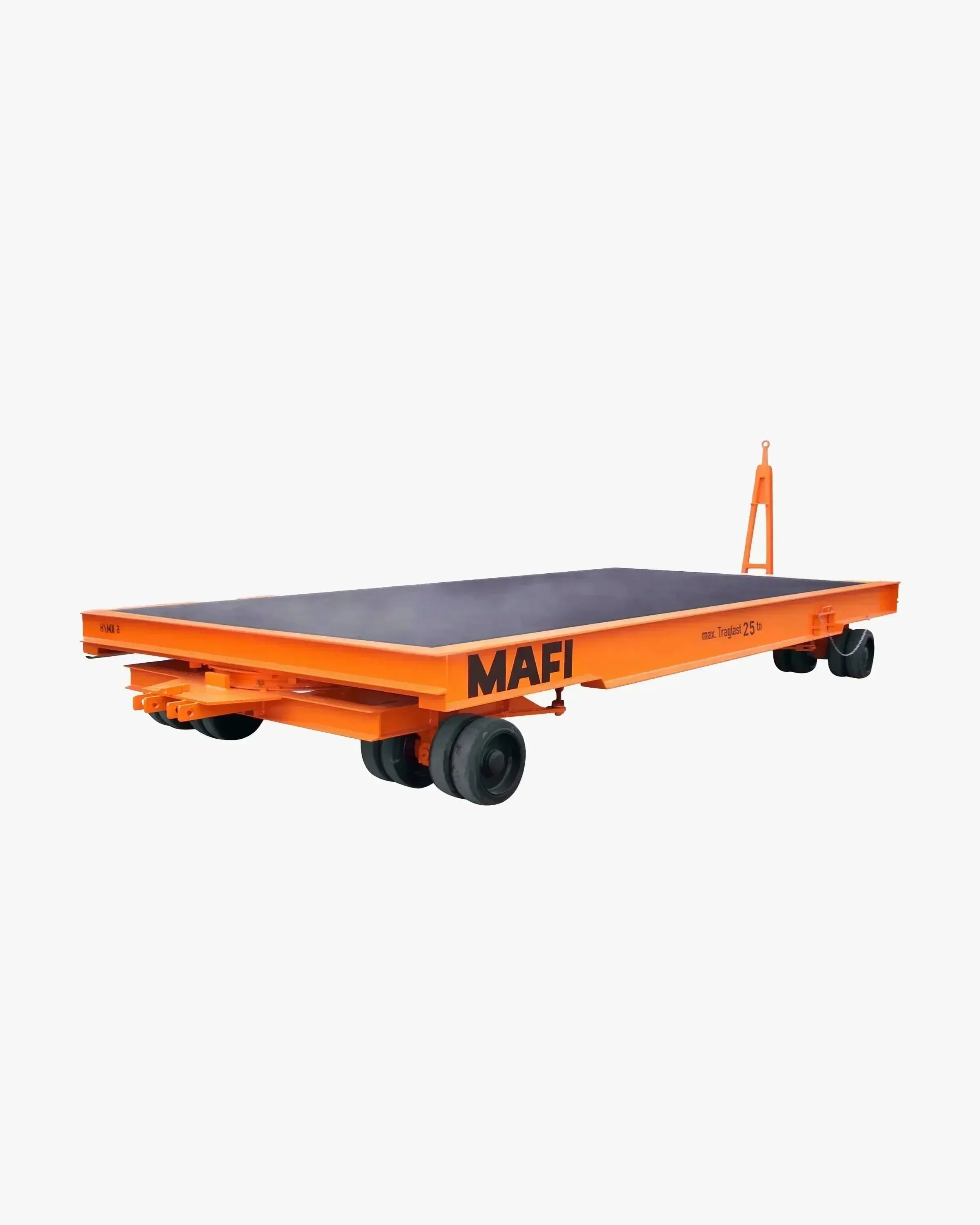
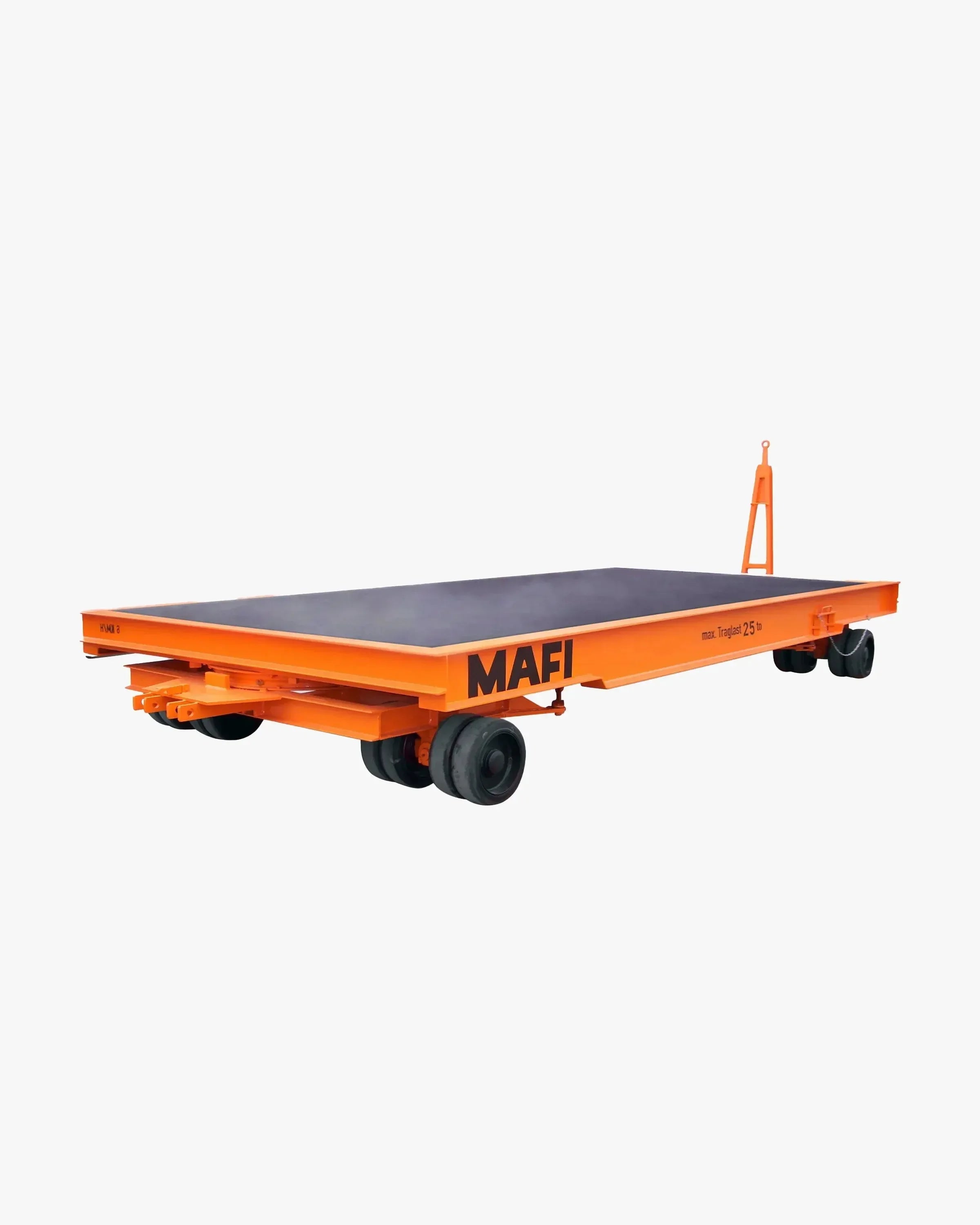
- Large articulated or telescopic platforms: heavy-duty trucks or semi-trailers with low loaders (over 10,000 kg).
Insurance coverage during transport
During transport, insurance coverage is crucial. The towing vehicle's liability insurance covers damage to third parties, but not to the work platform itself. For transport damage, you need transport or comprehensive insurance .
If the rental company delivers the bike, they usually assume liability until the bike is handed over. If you transport the bike yourself, you are responsible for the damage. Therefore, check whether the bike is insured before setting off.
Practical tips for safe transport
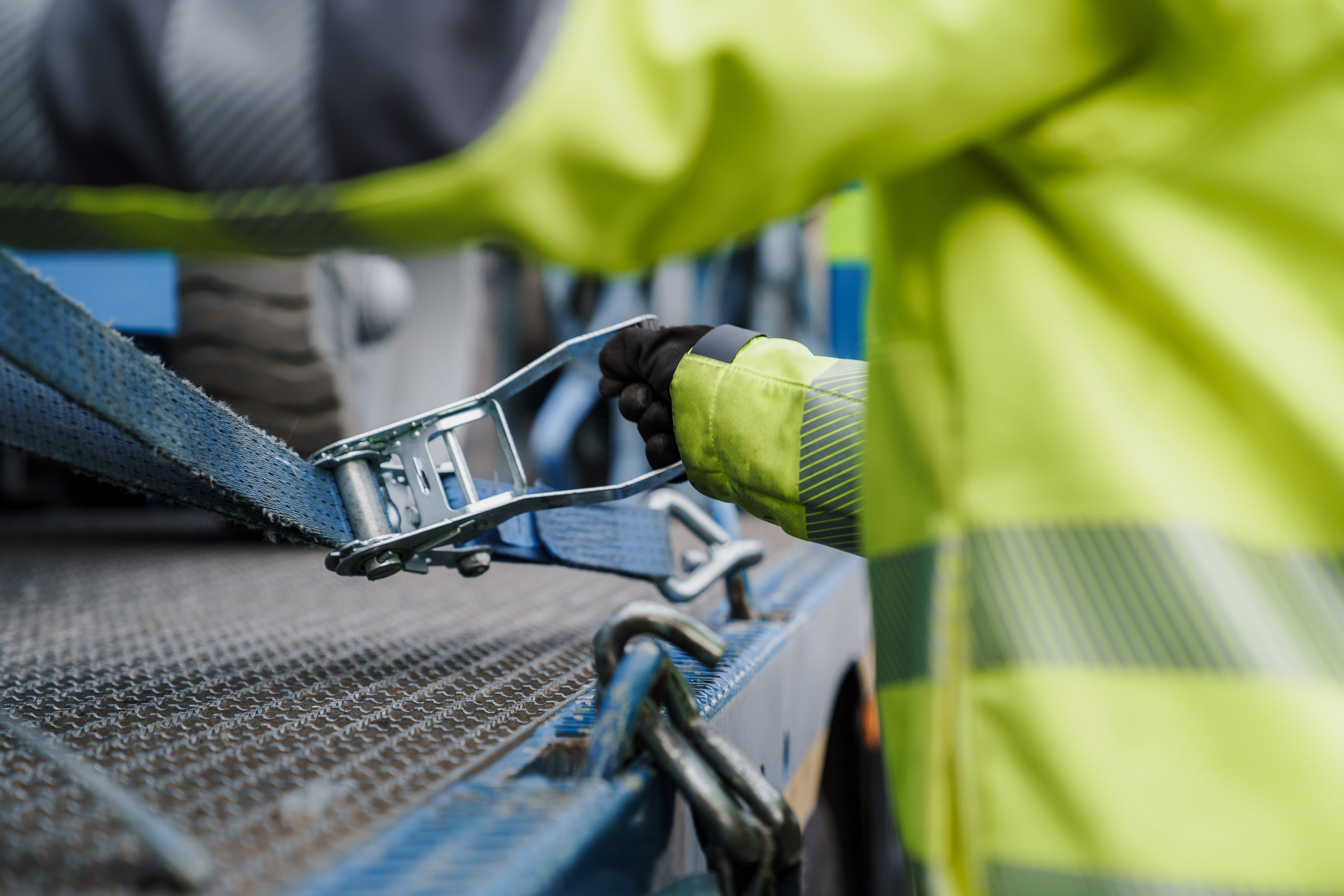
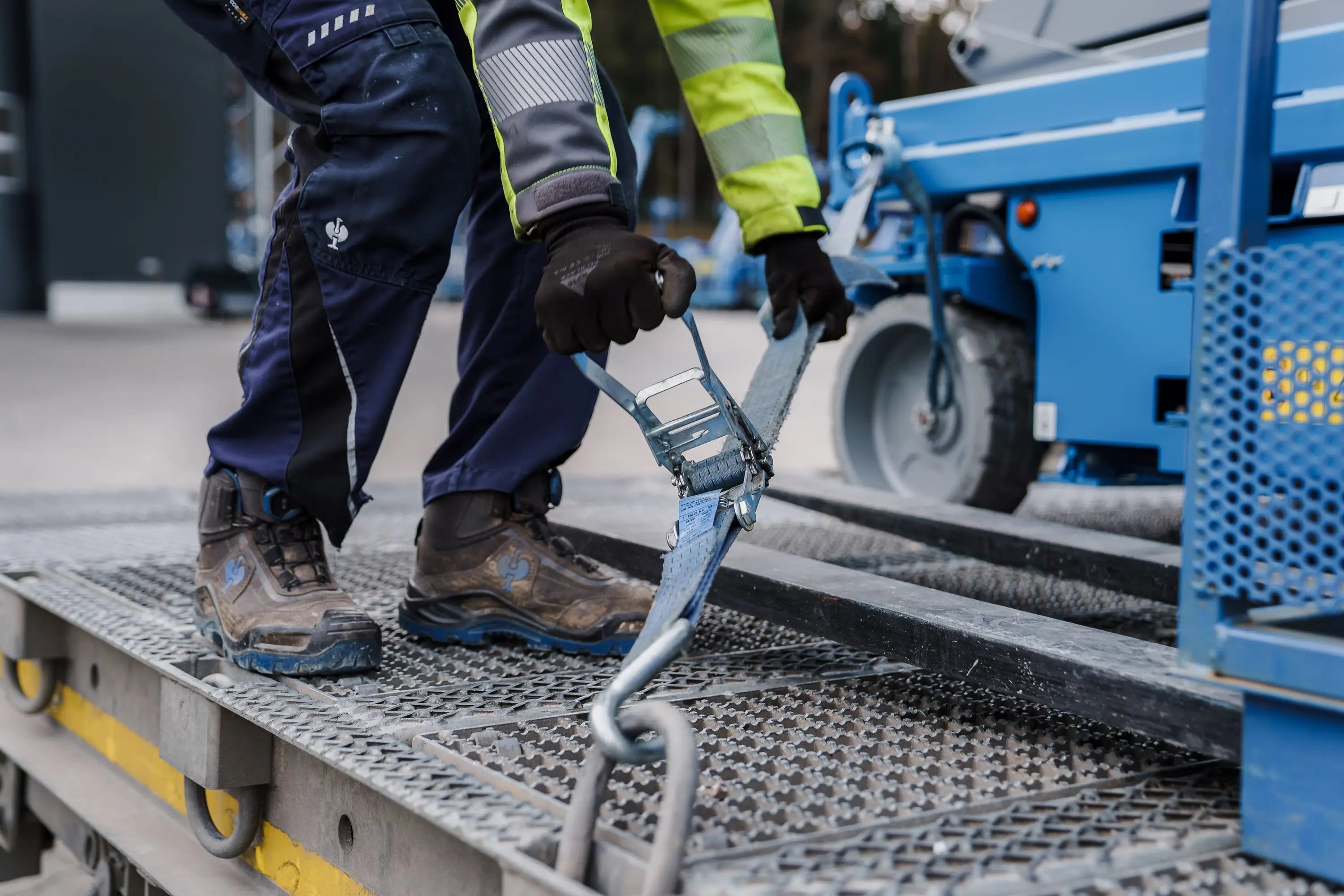
Use approved tensioning straps, chains, and anti-slip mats . Secure the platform against movement in all directions, especially when cornering or on uneven ground. The center of gravity should be as low as possible, and the load should be evenly distributed.

Safe loading and unloading
When loading and unloading, extreme caution is required. Wear safety shoes and gloves, keep your distance from moving parts, and check the load-bearing capacity of the ramps. Wet or icy ramps increase the risk of accidents – use anti-slip pads.
Transport checklist
- Loading: Even weight distribution, low center of gravity.
- Load securing: Use of tested lashing equipment according to DIN EN 12195.
- Check: Check fastenings again before departure.
- Driving style: Slow and cautious, especially in curves or in windy conditions.
Cost framework and approvals
Transport costs vary depending on distance, equipment type, and complexity. Regional transport of small stages typically ranges from €100 to €250 . Large stages or heavy transports can cost €400 to €800 . Additional fees may apply for special permits (approximately €50–€150) and escort vehicles.
When delivery is carried out by the landlord, the costs are usually calculated as a flat rate – transparent and without any additional effort for you.
Avoid typical mistakes when transporting work platforms
- Inadequate securing: leads to instability or damage.
- Wrong means of transport: Always check the load capacity and dimensions.
- Lack of insurance coverage: Damage without insurance becomes expensive.
- Missing permits: risk fines and loss of time.
- Carelessness when loading and unloading: Ton weight requires full concentration.
Conclusion: Drive it yourself or hire professionals?
If you have the necessary equipment, experience, and insurance coverage, you can handle the transport yourself . If you don't have these requirements, delivery by BIBERGER is the safer option. This ensures that your work platform arrives at its destination on time, undamaged, and ready for use .
Our tip: Get advice in advance – we will support you with transport planning, delivery, and on-site instruction.




Share:
Whiplash effect in working platforms – cause, risk and prevention
Maximum climbing ability: Are off-road platforms suitable for every terrain?
Our editorial quality standards
The subject content on biberger.de are editorially created, reviewed, and continuously updated. The basis is our daily work with aerial platforms, telehandlers, and industrial trucks – in rental, sales, operational planning, and technical support.
Each article draws on real-world experience and is editorially reviewed for clarity, accuracy, and practical relevance according to expert criteria. Technical statements are regularly compared against current industry standards and best practices.
The aim of our publications is to make reliable specialist knowledge accessible and to offer guidance to users, decision-makers and industry partners. BIBERGER sees itself as an independent information platform for safe, economical and modern height access technology – well-founded, comprehensible and free from advertising influence.