








Calculate the residual load capacity
Calculate load capacity online
With this online calculator, you can estimate how the actual load center of gravity and lifting height affect the load capacity of your forklift.
The nominal load , load distance , lifting height and optional attachments are taken into account – so you get a realistic estimate of the permissible residual load capacity under practical conditions.
This calculation is for technical guidance only and does not replace a manufacturer-specific load diagram . For critical loads or high lifting heights, the manufacturer's original diagram should always be used.
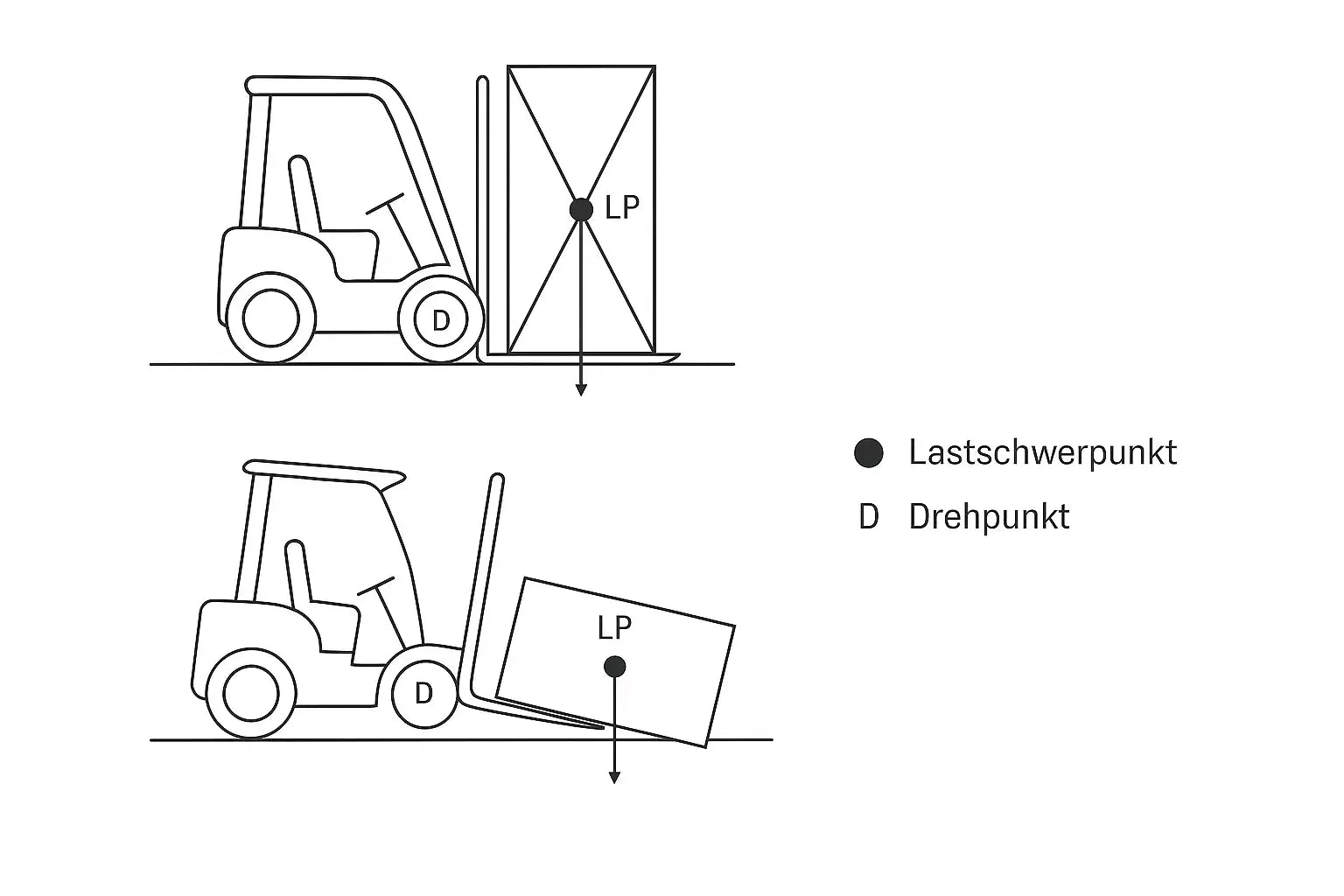
Load center of gravity and load capacity – why the relationship is crucial
The load capacity of a forklift truck always only applies to a specific load distance – i.e. the distance between the back of the forks and the center of gravity of the load.
If this center of gravity shifts further forward, a longer lever acts on the forklift – and the permissible load capacity drops significantly. This happens faster than many people think:
Just a few centimeters more distance can cost several hundred kilograms of load capacity.
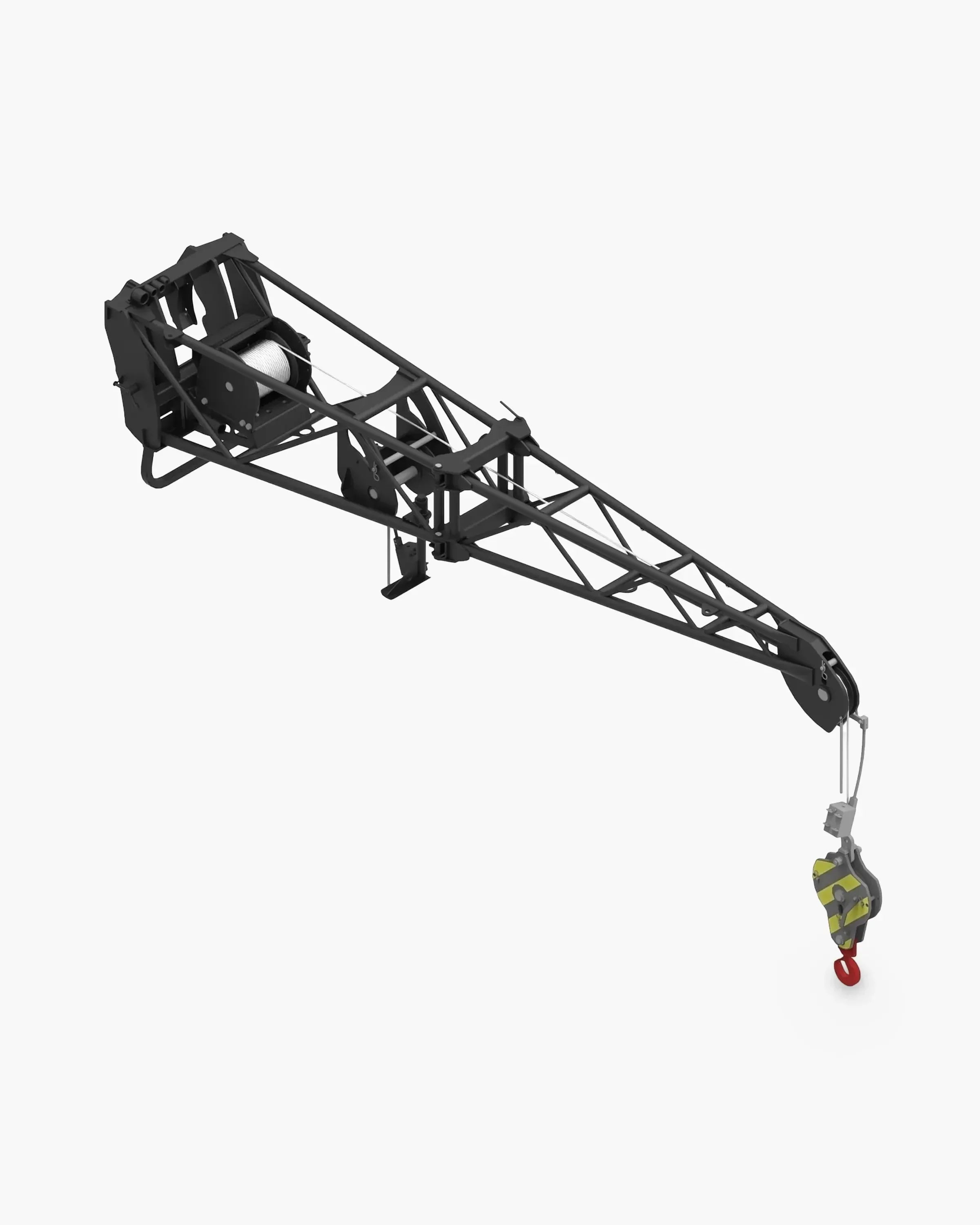
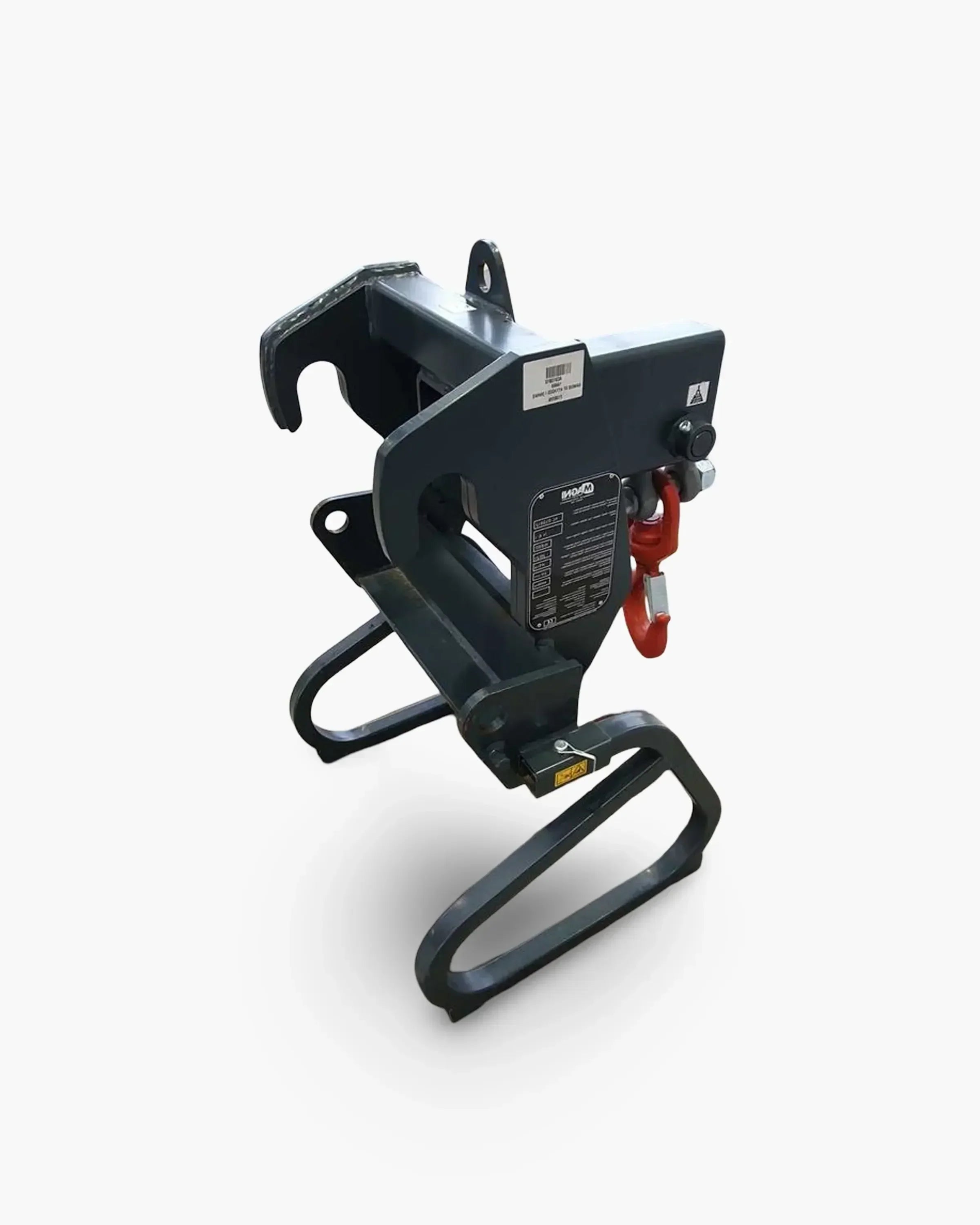
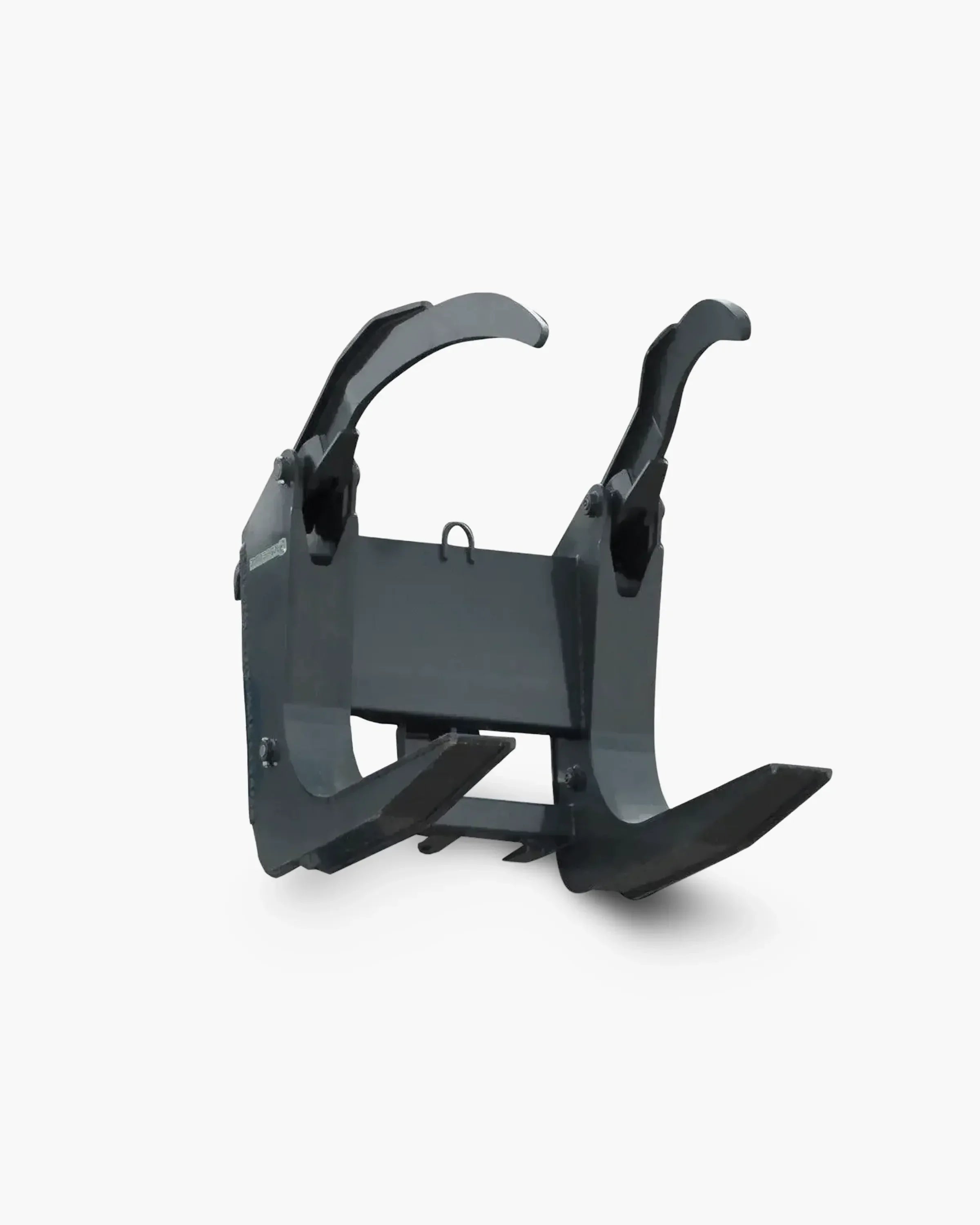
In addition to the load distance, the lifting height and attachments (e.g., sideshifters or rotators) also influence the residual load capacity. With increasing lifting height, the tipping moment increases, while additional attachments increase the dead weight and thus the lever arm.
It is important to understand: The information on the type plate only applies under ideal conditions.
As soon as the actual center of gravity is further forward or the lifting height increases, the load capacity must be reassessed – otherwise an unstable condition threatens.
The calculator offered here helps you estimate exactly that. It shows how much the effective load capacity changes under real-world conditions and when a load becomes critical.
However, for exact values, the manufacturer's load diagrams should always be consulted.


