


 What You Need to Know
Working on roofs is among the most demanding tasks involving working at heights. Whether it's assembly, repair, renovation, or glass replacement – wherever loads need to be moved or heights need to be reached safely, conventional solutions quickly reach their limits.
Spider work platforms and mini cranes are often the only practical option in such situations. This article shows you when and why they are used, what is crucial in planning and operation – and which mistakes you should absolutely avoid .
Why rooftop operations are special
Clearly, working on roofs is logistically challenging . No direct access, limited load-bearing capacity, narrow passageways, sensitive structures – often while the building is in operation. Typical scenarios:
- Installation and replacement of solar panels
- Installation and maintenance of roof windows and skylights
- Installation of lightning protection systems and antennas
- Repair and replacement of roof tiles or shingles
- Cleaning and inspection of the roof surfaces
- Maintenance and repair of roof drainage systems
- Construction and maintenance of green roofs
- Installation of air conditioning and ventilation units (outdoor units)
- Repair or renewal of roof seals
- Emergency response in case of leaks and storm damage
- Installation of roof hatches, skylights and rooflights
- Chimney and chimney head renovation
- Snow removal and ice removal in hard-to-reach places
Traditional machines like truck-mounted platforms or mobile cranes are usually unsuitable in such cases – too heavy, too large, no suitable setup area. This is where compact technology comes into play.
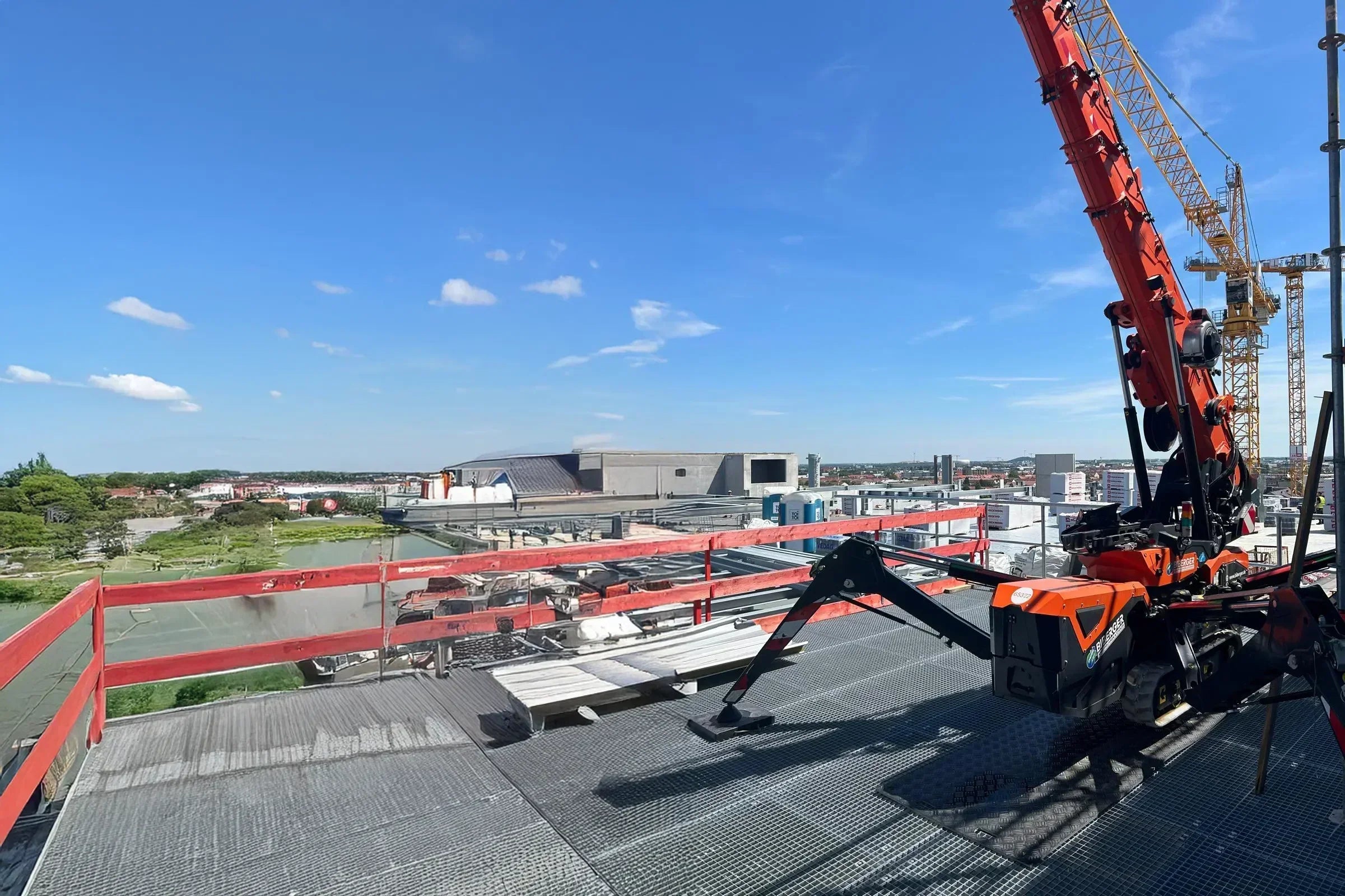
Spider platforms: Why they are ideal for roofs
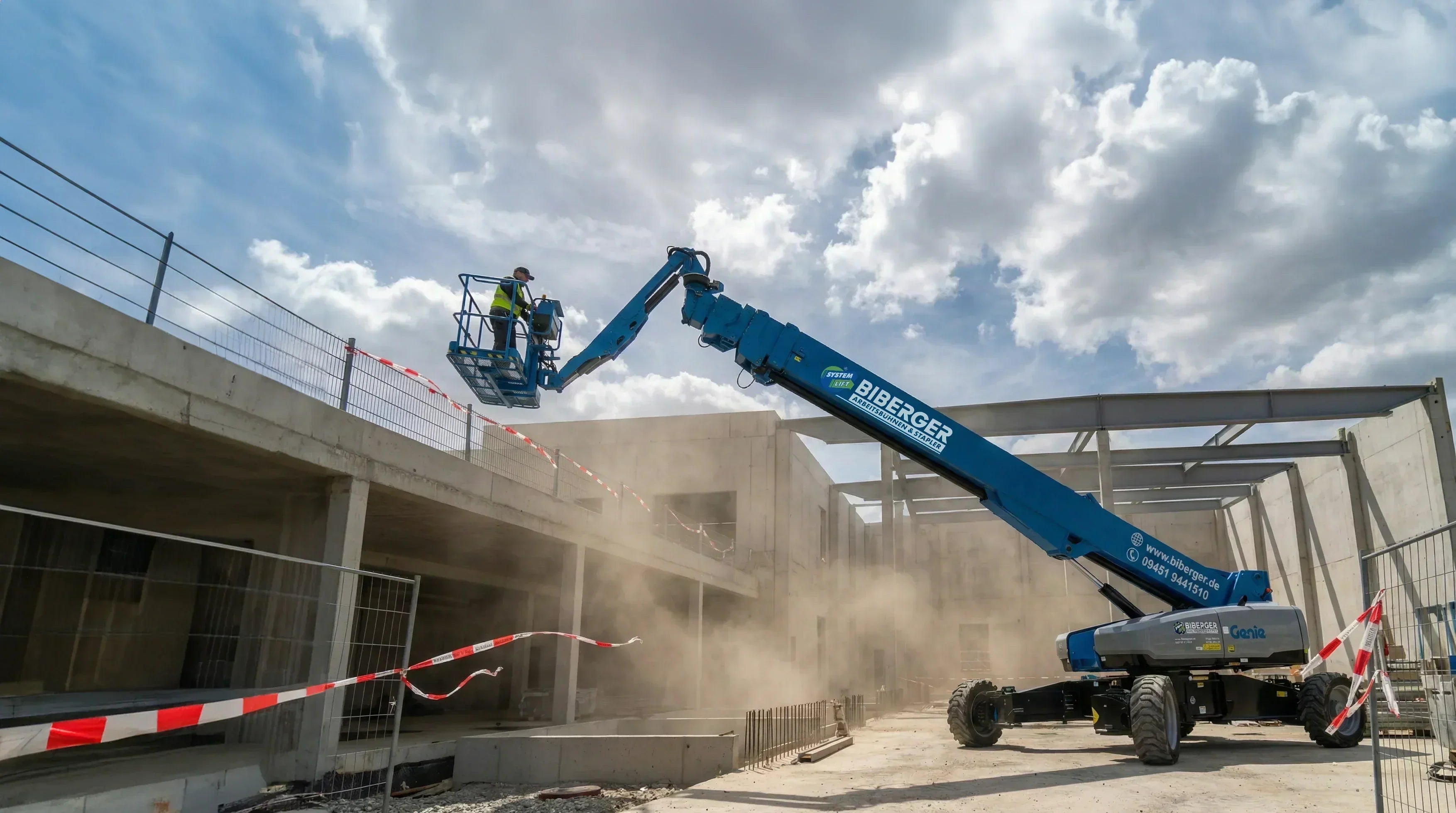
Spider work platforms – also called tracked platforms with support spiders – are almost predestined for use on roofs and in courtyards :
- Low weight with sufficient working height and reach
- Compact dimensions – fits through doorways or passageways
- Excellent stability thanks to variable support.
- Low ground pressure – crucial for roofs with limited load-bearing capacity
- Hybrid or electric drive – for sensitive environments such as hospitals or offices
When using the equipment, pay attention to: load-bearing capacity testing , access options (e.g., via freight elevator or crane lift), and precise setup planning – often in conjunction with a structural engineer.
Mini cranes: When loads need to be lifted onto the roof
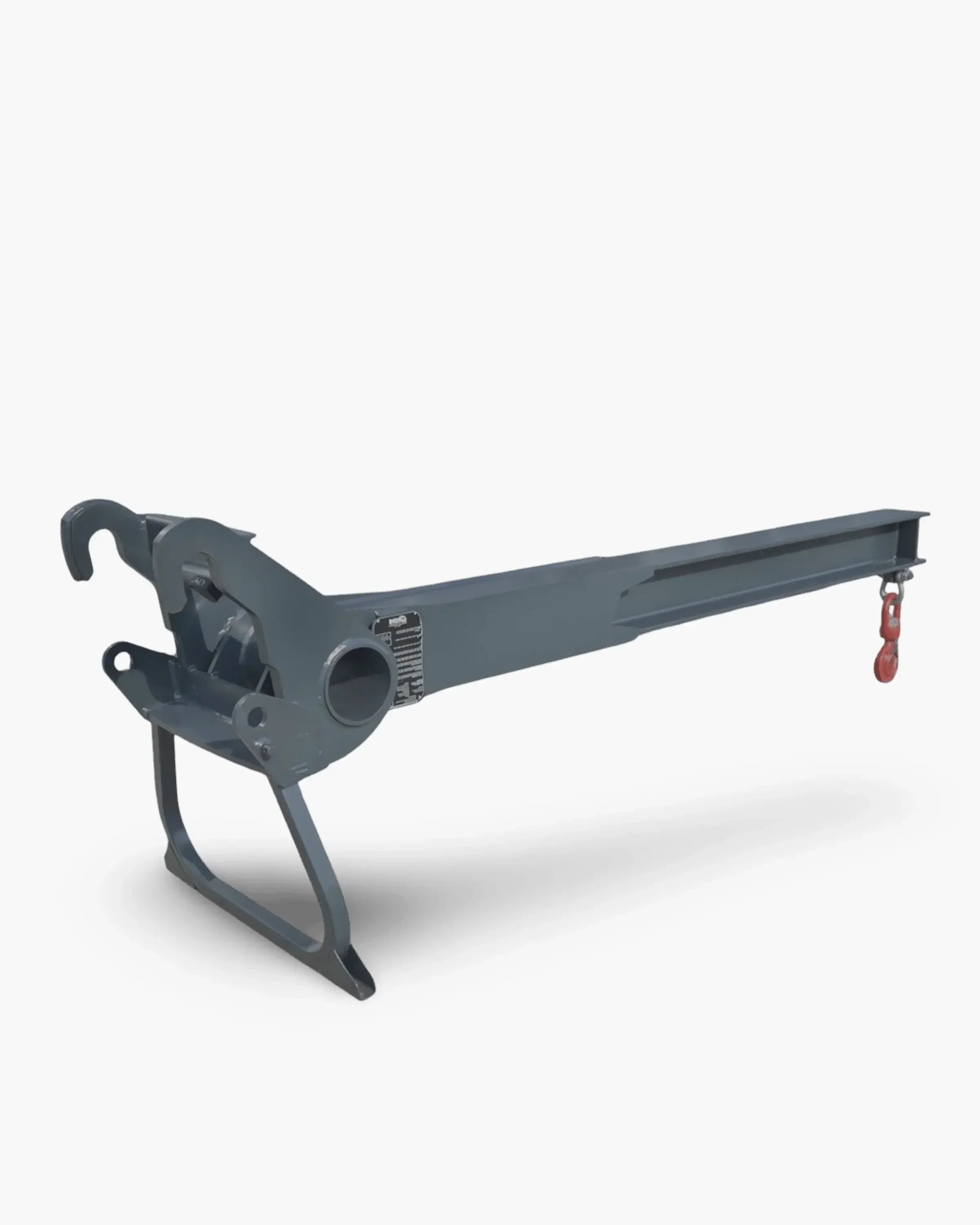
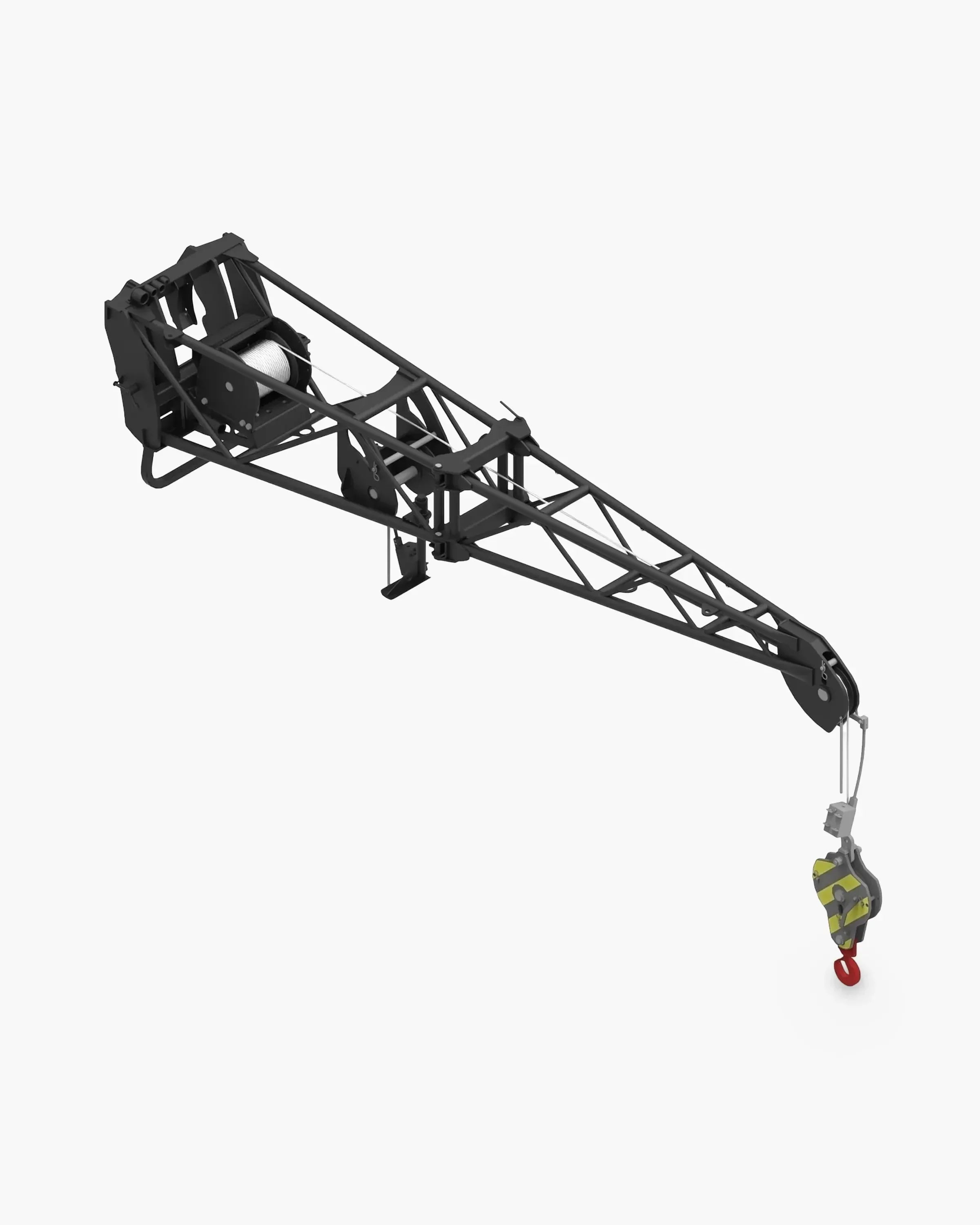
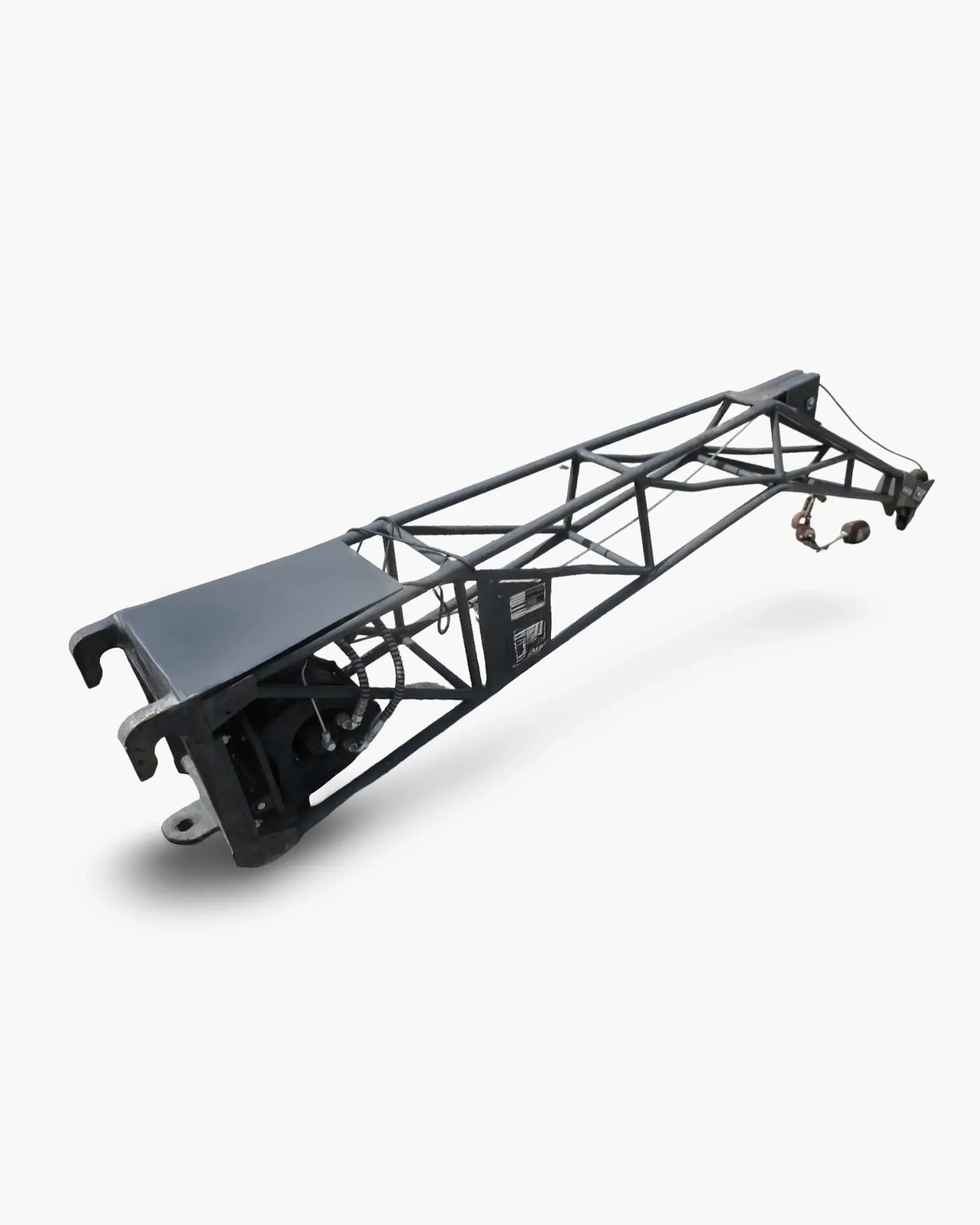
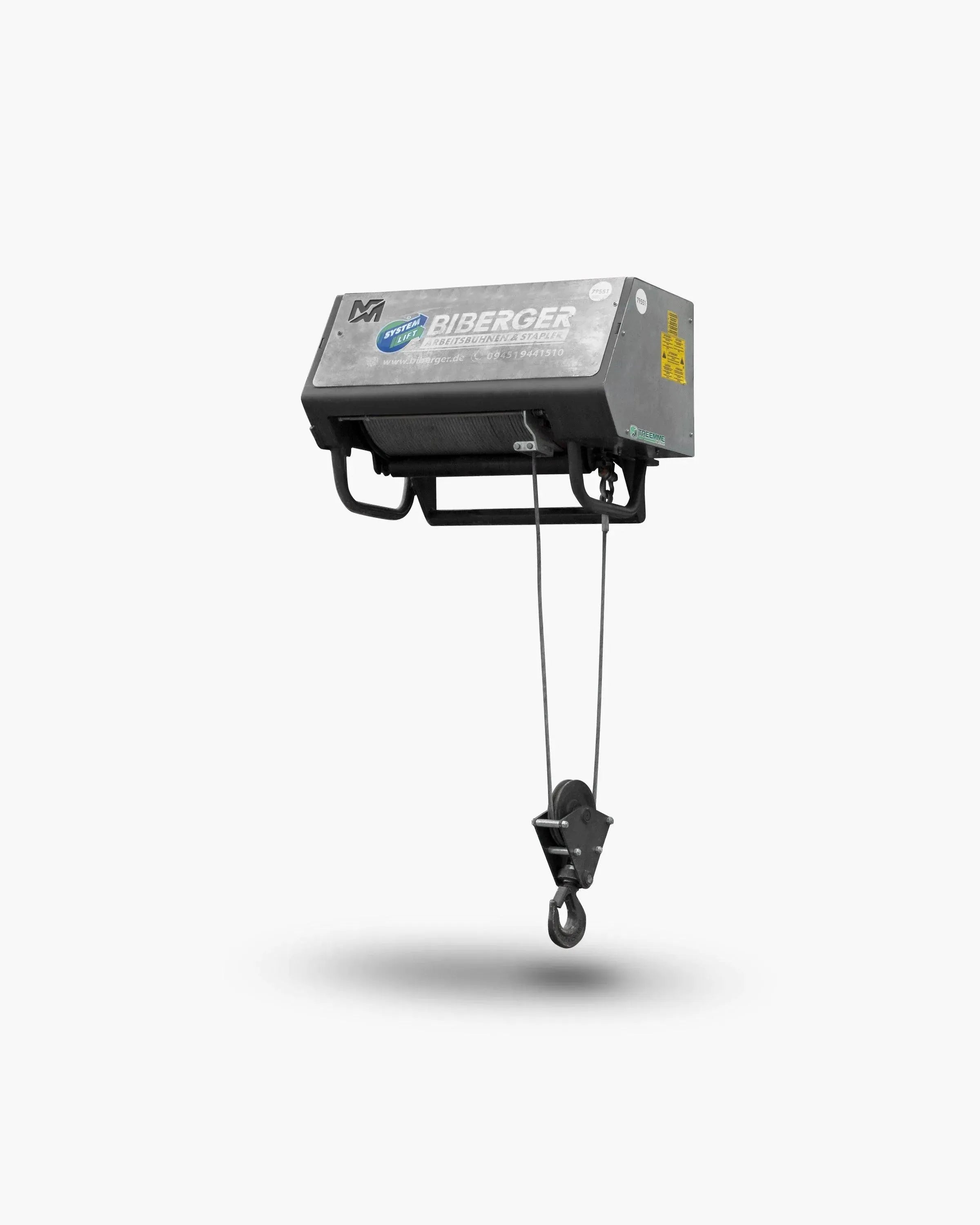
Mini cranes are the answer to all lifting tasks where conventional crane technology is too large or too heavy . Their precise control and compact size are particularly crucial in glass construction, building services engineering (TGA) components, and specialized technology .
- Load capacity up to 3 t with very compact dimensions
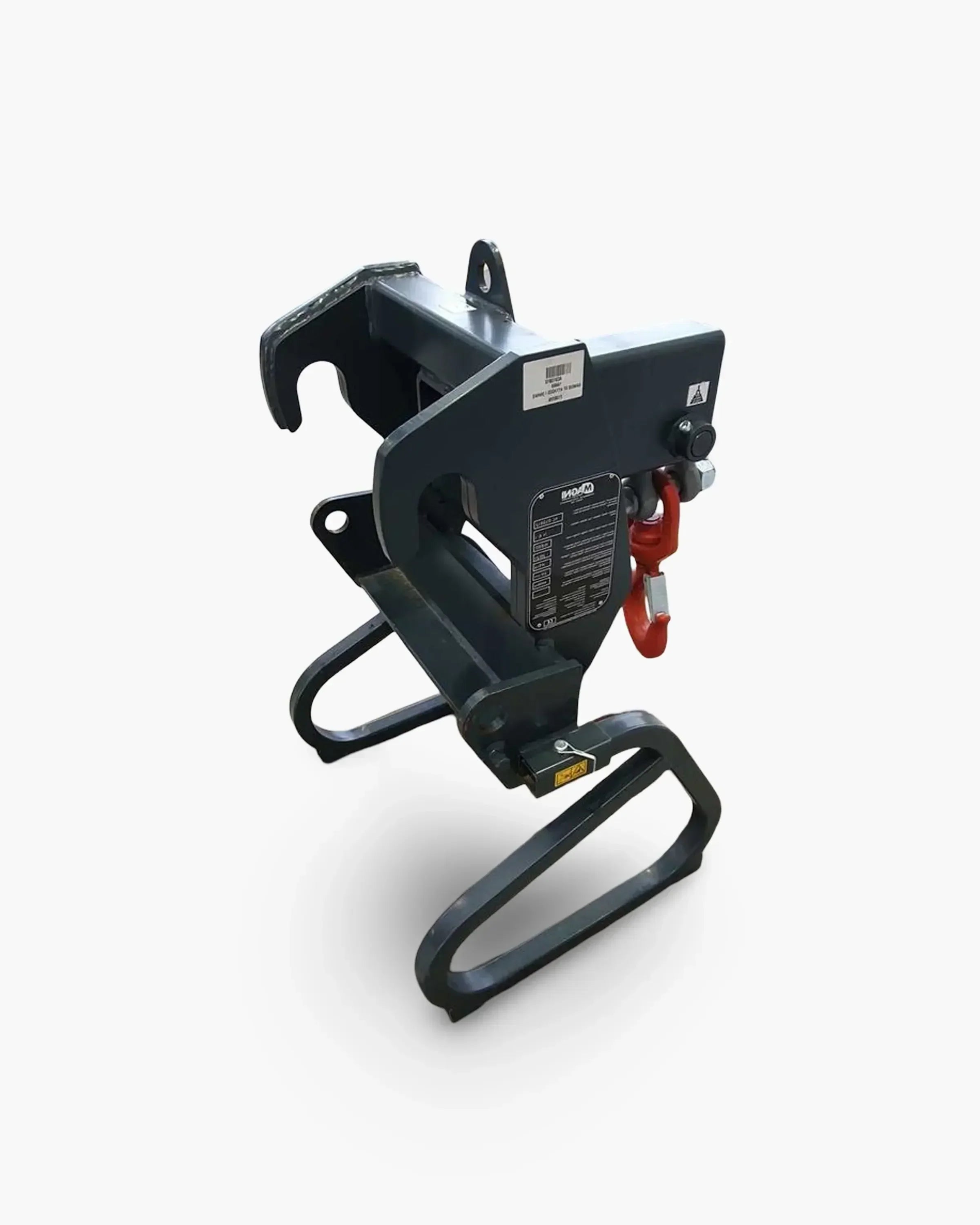
- Can be combined with vacuum suction cups , lifting harnesses or booms
- Low ground pressure values for sensitive installation surfaces
- Suitable for indoor use – for use on industrial platforms or above elevators
A typical application example: glass replacement in an office building, 5th floor, no access – the mini crane is lifted onto the flat roof by crane, where it uses a vacuum lifter to precisely insert the elements.
Requirements for safe work with spider lifts
Not every construction site is immediately ready for spider or crane operation. Before starting work, you absolutely must clarify the following points:
- Roof statics : Is there a load-bearing capacity approval for the installation and work areas?
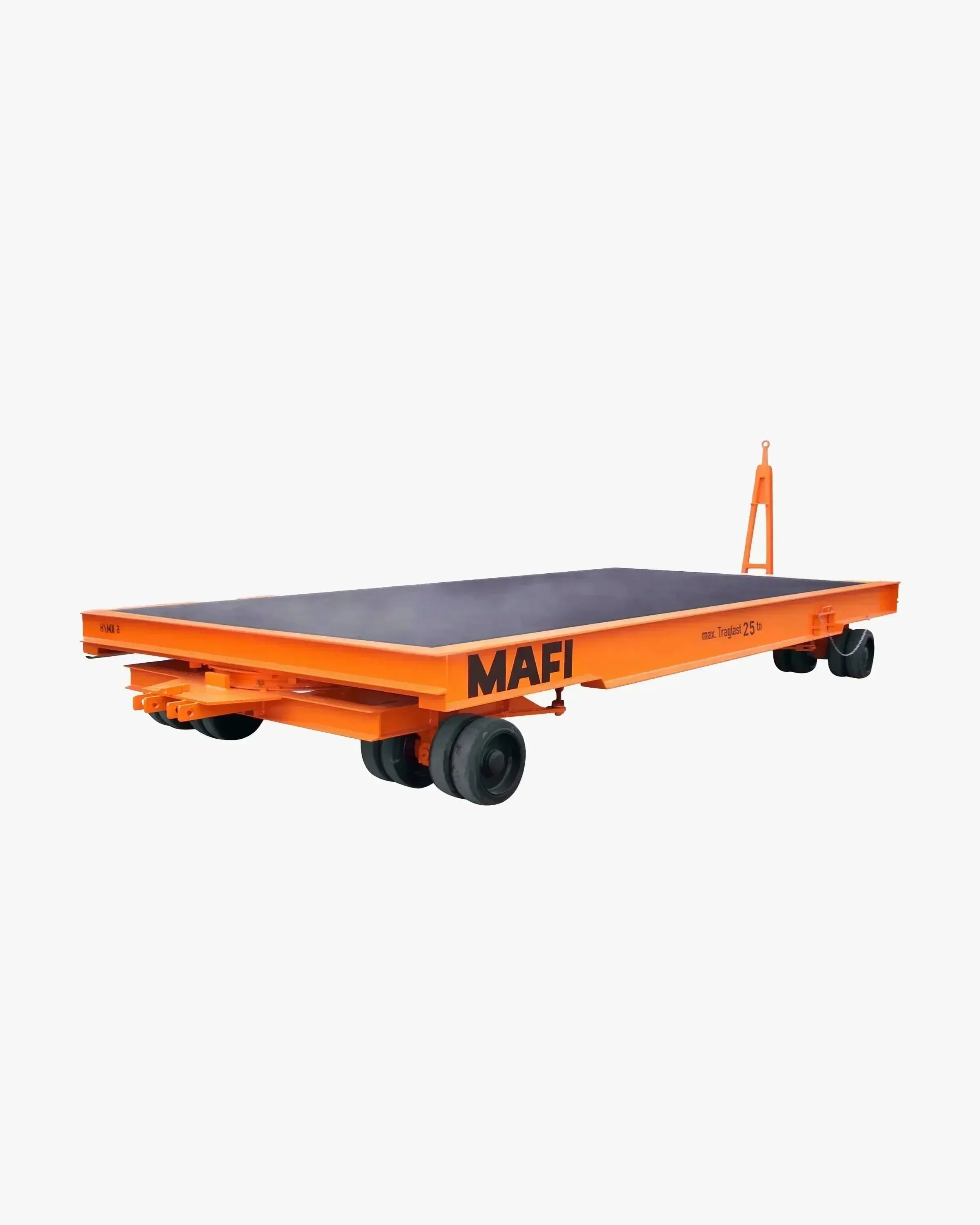
- Transport route : How does the machine get onto the roof? (Crane, elevator, internal access?)
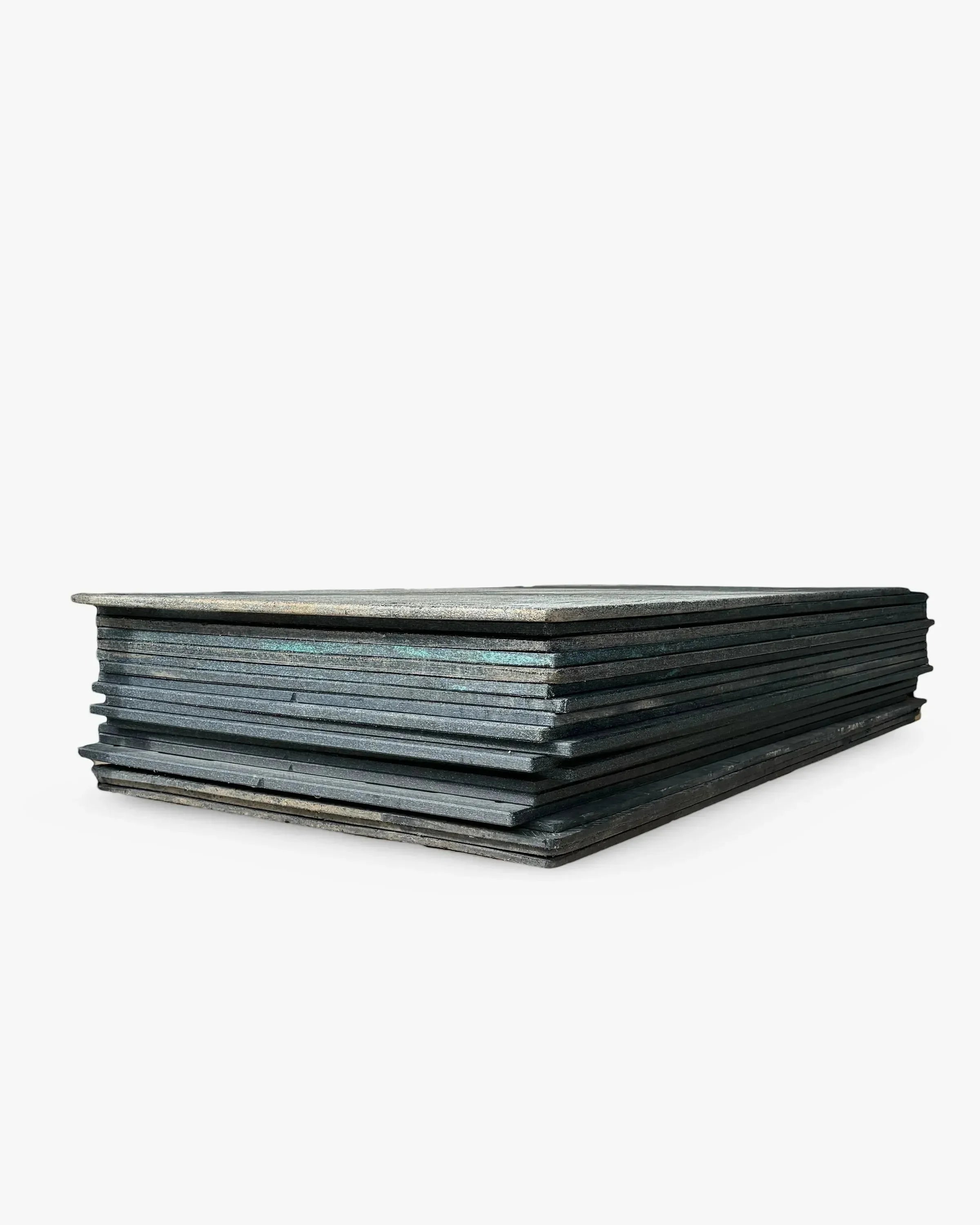
- Load distribution : Is the use of plates or beam structures necessary for pressure distribution?
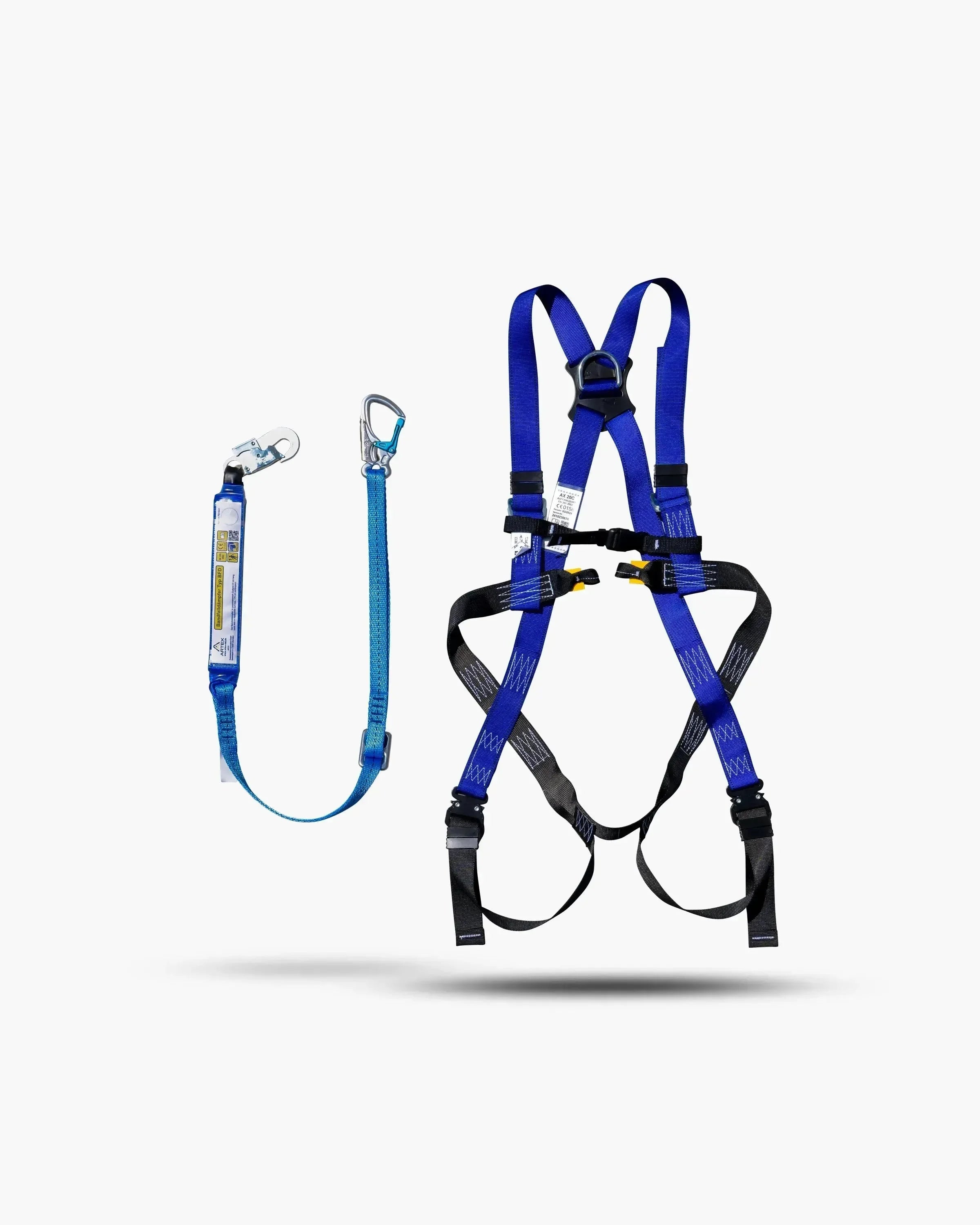
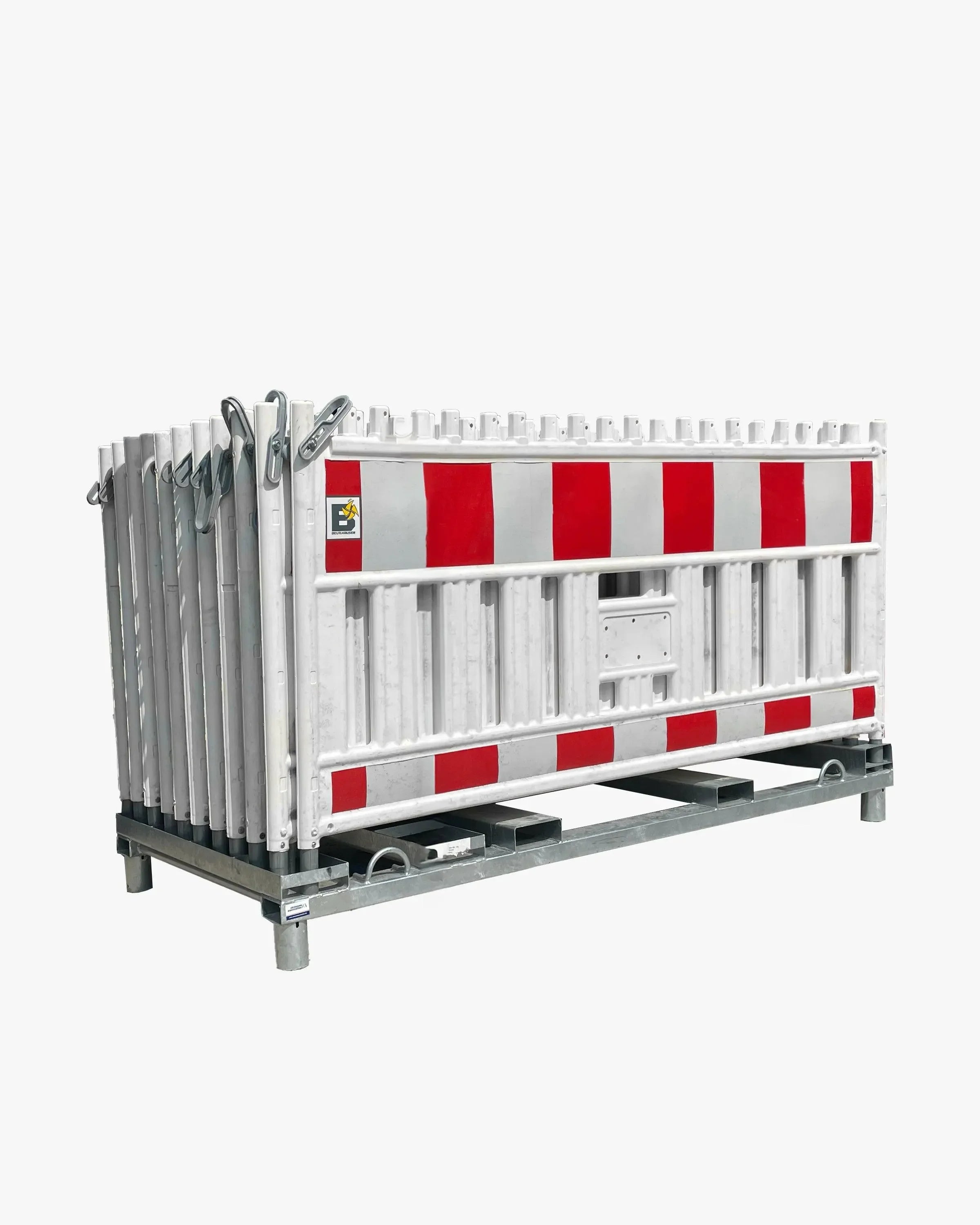
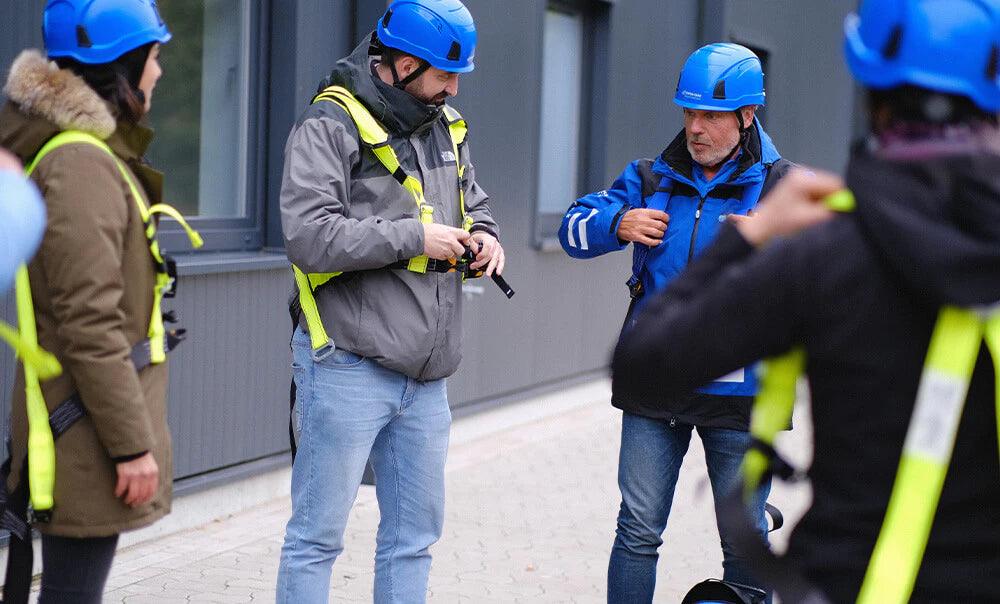
- Fall protection and edge load protection : Are railings, anchor points or additional safety devices necessary?
- Wind and weather : Especially critical in glass construction or with large cantilevers – work must be aborted in case of gusts.
What role does the landlord play?
A specialized rental company not only supplies the technology , but also ensures that it fits:
- Visit the construction site beforehand – possibly together with your structural engineer or glassworker.
- Provides accessories such as load distribution plates, anchor points, lifting equipment
- Train your staff on site , especially for combined applications involving vacuum lifters.
- Delivers on demand , e.g. by low loader or crane appointment in the early morning.
- It reacts flexibly when assembly conditions change spontaneously.
Conclusion: No roof is too high – if the technology and planning are right.
Spider platforms and mini cranes are the best choice when you need to work precisely and safely on roofs. They combine lightweight construction with real performance – with maximum flexibility. Crucially, it's not just the technology, but also the preparation: structural integrity, transport, setup, and accessories must be perfectly coordinated .
Anyone working on a roof has no room for error. With the right compact solution – and the right partner – the job is safe and efficient.
Do you want to rent a spider lift ? We are your contact: nationwide.




Share:
Outdoor work platforms & forklifts: Which machines for off-road use?
Scissor lifts in shell construction: Why they are so in demand on construction sites
Our editorial quality standards
The subject content on biberger.de are editorially created, reviewed, and continuously updated. The basis is our daily work with aerial platforms, telehandlers, and industrial trucks – in rental, sales, operational planning, and technical support.
Each article draws on real-world experience and is editorially reviewed for clarity, accuracy, and practical relevance according to expert criteria. Technical statements are regularly compared against current industry standards and best practices.
The aim of our publications is to make reliable specialist knowledge accessible and to offer guidance to users, decision-makers and industry partners. BIBERGER sees itself as an independent information platform for safe, economical and modern height access technology – well-founded, comprehensible and free from advertising influence.