





Rental costs for construction machinery
Are you planning a construction project or a project in the facility or trade sector and want to start without delays? With the right construction equipment for rent, you secure predictable costs, maximum efficiency and reliable quality – without straining your budget with high investments.
On this page you will learn about the average rental prices for construction machinery , what additional costs you should factor in, and how to create a realistic calculation.
Our team has analyzed over 30 price lists and summarized the results for you. You will receive a detailed quote from the respective provider upon request.
Renting an excavator – these are the costs
Excavators are usually classified according to their operating weight . The heavier the machine, the more powerful it is – and the higher the rental costs. This is directly related to fuel consumption, transport costs, and wear and tear. Mini excavators incur lower operating costs and are easier to transport, while large excavators require low-loaders and result in higher operating costs.
For businesses, the rental period is also a crucial factor. The daily rate is higher for short-term rentals because transport, training, and insurance are fixed costs spread over just a few days. The price drops noticeably from a week onward, and with monthly rentals, these fixed costs can be optimally spread – making the calculation most efficient in the long run.
| category | Typical size | Daily rent | Weekly rent (per day) | Monthly rent (per day) |
|---|---|---|---|---|
| Mini excavator | 0.8 to 2 t | 120 to 150 € | 90 to 115 € | 70 to 90 € |
| Compact excavator | 3 to 6 tons | €170 to €230 | €140 to €190 | €115 to €160 |
| Midi excavator | 7 to 10 tons | €240 to €300 | €200 to €260 | €160 to €220 |
| Large excavators | 14 to 30 tons | €340 to €480 | 300 to 420 € | €260 to €360 |
Practical examples: Mini excavators usually cost €120 to €150 per day, compact excavators €170 to €230, large excavators €340 to €480. Machinery breakdown insurance often costs €4 to €20 per day with a deductible starting at €2,000.
Popular attachments for excavators
Plan for accessories directly in your itinerary. This will help you avoid extra trips and reduce downtime.
- Digging and leveling buckets for excavation and fine grading
- Hydraulic hammer for demolition and rock
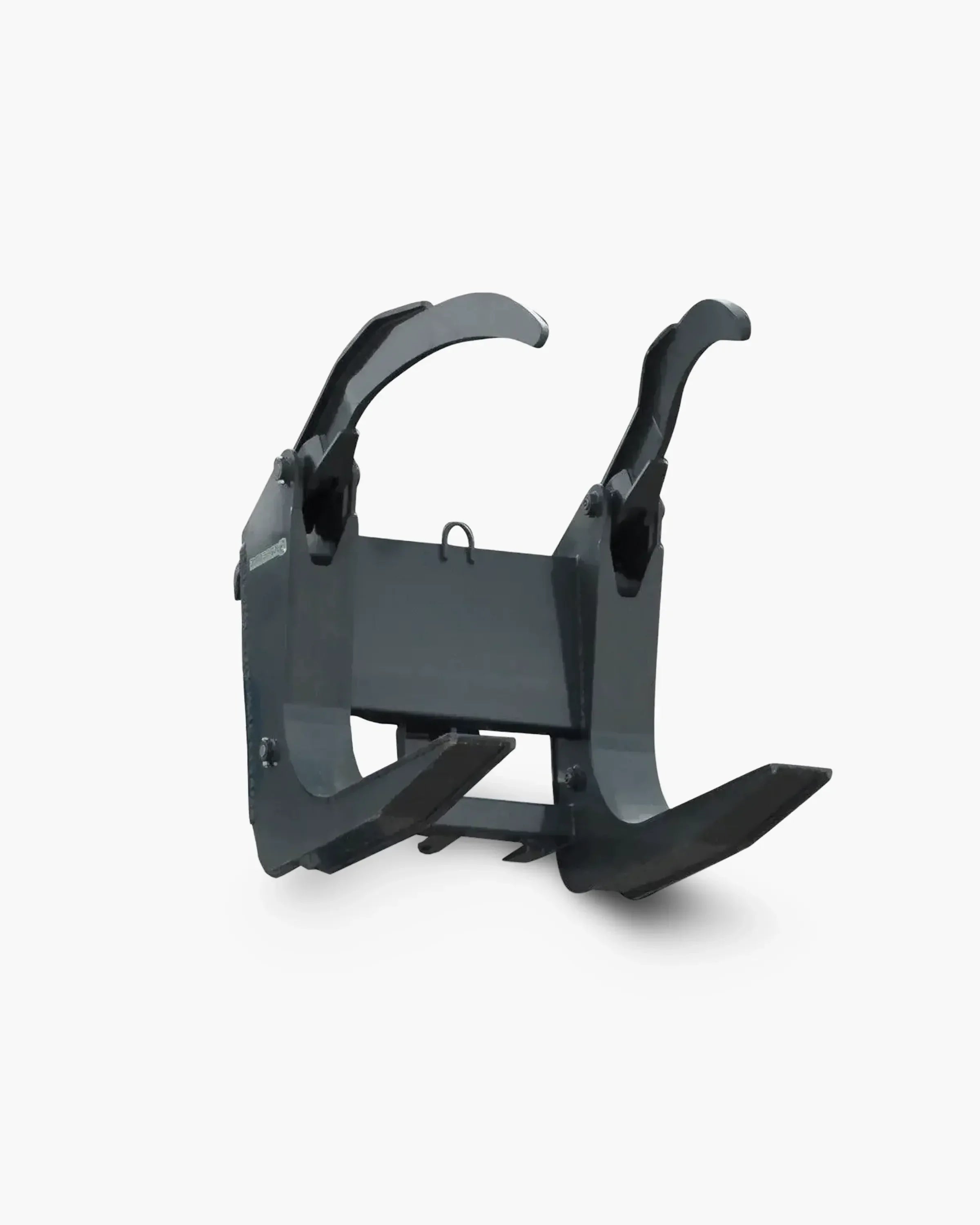
- Grippers for sorting and recycling
Rental prices for wheel loaders
Rental prices for wheel loaders depend primarily on their size and bucket capacity. Small wheel loaders are flexible and inexpensive, while large models with several cubic meters of bucket capacity incur significantly higher costs.
As with other construction equipment, long-term rentals significantly reduce daily costs. The price drops noticeably after a week, and a monthly rental allows for the most efficient distribution of fixed costs for transport and insurance.
| category | volume | Daily rent | Weekly rent (per day) | Monthly rent (per day) |
|---|---|---|---|---|
| Small wheel loaders | 0.4 to 0.5 m³ | €135 to €160 | 115 to 130 € | 95 to 110 € |
| Medium wheel loaders | 0.65 to 0.95 m³ | 170 to 200 € | €145 to €165 | 125 to 140 € |
| Large wheel loaders | 1.0 to 1.5 m³ | €220 to €260 | €190 to €215 | €155 to €180 |
| XL wheel loader | 1.8 to 4.8 m³ | €300 to €580 | €235 to €520 | €210 to €450 |
Note: A valid driver's license is required for driving on public roads. The daily rate decreases significantly for longer rental periods.
Vibratory plates and compactors – prices and tips
Vibratory plate compactors are among the most frequently used pieces of equipment on construction sites because they are inexpensive to rent, robust, and versatile. They reliably compact soil and gravel during paving work, on paths, or on patios, making them an indispensable tool in both building construction and civil engineering.
The rental price of a vibratory plate compactor depends on its weight class and power output. Lightweight vibratory plate compactors are suitable for smaller areas and repair work, medium-sized models are ideal for paving or driveways, while heavy-duty machines are used for larger construction projects and road building.
| category | Weight | Daily rent | Weekly rent (per day) |
|---|---|---|---|
| Light | 70 to 150 kg | 30 to 40 € | 25 to 30 € |
| Medium | 200 to 300 kg | 40 to 50 € | 34 to 40 € |
| Difficult | 400 to 730 kg | 50 to 68 € | €42 to €58 |
Tip: For paved areas, a Vulkollan panel protects the stones. Expect to pay around €10 to €15 per day. Monthly rentals significantly reduce the daily costs.
Dumper Rental: Rental Costs
Dump trucks are the compact transport solution for construction sites. They reliably move earth, gravel, crushed stone, or demolition material – anywhere trucks or wheel loaders are too large or inflexible. Wheeled dump trucks are the more economical option for firm surfaces, while tracked dump trucks, with their superior traction, also excel on difficult terrain. They cost, on average, about one-fifth more.
Rental prices for dump trucks depend on payload and design. Smaller dump trucks are ideal for confined construction sites or landscaping, while larger models are used in building construction, civil engineering, and demolition.
| payload | Daily rent | Weekly rent (per day) |
|---|---|---|
| 0.3 to 1.2 t | 45 to 100 € | €36 to €80 |
| 1.5 to 2 tons | €100 to €185 | €84 to €150 |
| 3 t | €190 | 155 € |
A 0.8-ton tracked dumper typically costs between €70 and €80 per day. A 3-ton swivel tipper costs around €190. Insurance costs between €6 and €15 per day, with a deductible of €500 to €1,500.
Roller rental – average prices 2025
Rollers are essential machines for compacting soil and asphalt. Depending on their weight class, their applications and rental costs vary significantly. The daily rate decreases noticeably with longer rental periods – especially for weekly and monthly rentals.
| category | Weight | Daily rent | Weekly rent (per day) |
|---|---|---|---|
| Hand-operated rollers | 300–800 kg | 38–55 € | 32–45 € |
| Small asphalt rollers | 1–3 t | €66–120 | 55–95 € |
| Medium rollers | 3–8 t | 90–150 € | 75–120 € |
| Large roller trains | 8–15 t | €165–220 | €140–180 |
Additional costs for transport and insurance will apply. Discounts of up to 35% are possible for long-term rentals of 20 days or more. Seasonal fluctuations are common: prices are up to 30% higher in the summer months and often 15–25% lower in the winter.
Crane rental – compare prices
For a reliable calculation, you only need three things: category , billing model , and the most important ancillary costs . The table deliberately shows simplified ranges – ideal as a first guideline.
| category | Standard billing | Typical price range | Minimum times | Examples of use |
|---|---|---|---|---|
| Mobile cranes | Hourly rate | approx. €85–140 / hour (small–medium) up to approx. €350/hour (heavy) |
8–10 hours per day of operation | Short-term projects, steel/timber construction, prefabricated parts |
| Mini/crawler cranes | Daily rate (self-service) | Approximately €60–900 per day depending on size Discounts are common for stays of 5 days or more. |
at least 1 day | Narrow passages, courtyard, glass/assembly inserts |
| Tower cranes / construction cranes | monthly flat rate | Approximately €3,500–€28,000 per month depending on performance. | usually 1 week+, typically 2–12 months | Long-distance runners in high-rise/residential construction |
Key additional costs at a glance
Transport & setup: Travel to and from the site is often charged as crane hours. For large equipment , ballast and escort transport are also included.
Time surcharges: Saturday approx. +50%, Sunday approx. +75%, public holiday approx. +100%, night (8 pm–6 am) approx. +50%.
Insurance: Daily/per-use fee depending on the equipment. Deductibles vary – significantly higher for large cranes.
Region & Season: Metropolitan areas are often 15–25% more expensive; summer months with longer lead times.
Practical tips for calculation
Distribute fixed costs: With multiple deployment days, the costs per day decrease significantly (travel, setup, ballast).
Clarify construction site logistics: Fix access, parking space, ground load and closures in advance – avoids waiting times.
Put everything in writing: clearly regulate billing (hours/day/month), minimum hours, insurance and deductible.
Guide – finding the right construction machine
The following structure will help you quickly make the right choice. Check your needs, space, performance, and runtime in this order.
- Type of work: Earthworks, material transport or compaction.
- Space requirements: Realistically measure access and turning areas.
- Performance and volume: Estimate material quantity and cycle times.
- Rental periods of weeks and months are significantly cheaper per day.
- Transport: Self-transportation is only possible with experience and suitable equipment.
- Season and region: Book early during peak season.
Money-saving tips – how to lower your rent
- Book early: Reserve in good time during spring and summer.
- Choose a longer rental period: Up to 40 percent lower daily rate.
- Consolidate transport: Combine delivery and collection.
- Compare offers: Check insurance, transport, cleaning and fuel.
- Return clean: Save on cleaning fees.
More FAQs
Was kostet ein Minibagger pro Tag?
Kann jeder einen Minibagger mieten?
Was kostet ein Baukran pro Monat?
Wie hoch sind die Kosten pro Stunde für einen Baukran?
Wie hoch sind die Preise pro Stunde für einen Autokran?
Was kostet die Miete für einen Radlader?
Was kostet eine Rüttelplatte pro Tag?
Your next step
Briefly send us your key details (square meters, height, duration, address, photos). We'll tell you honestly whether scaffolding or a work platform is more cost-effective for you.
Oh, and here you can find the rental prices for work platforms .
Aktuell häufig gemietet


