


 What You Need to Know
Anyone who uses work platforms, telehandlers, or forklifts bears responsibility – not only for the technology itself, but also for the location where it is used. A thorough risk analysis is therefore mandatory before any equipment even takes off or drives. This guide explains how companies can identify, assess, and safely avoid hazards – using practical methods and in accordance with DGUV standards.
Why risk assessment is so important
A mobile elevating work platform is only as safe as its location. Ground, surroundings, weather, pedestrian traffic – everything plays a role. Many accidents aren't caused by defects, but rather because no one has paid close attention beforehand. A good risk assessment does just that: It identifies weak points before something happens.
And yes, it's a legal requirement. But above all, it's a piece of common sense within the system.
Legal basis – short and clear
You don't have to delve into the legal code to know what matters. Nevertheless, it helps to know the most important rules:
- Occupational Safety and Health Act (§§ 5, 6): Identify, assess and document hazards.
- Industrial Safety Ordinance: Safety when handling work equipment – including platforms and forklifts.
- DGUV Rule 100-500: Requirements for testing, operation and instruction.
- TRBS 2111 Part 1 & 4: Mechanical hazards and mobile work equipment.
- DIN EN 280: Construction and safety requirements for mobile elevating work platforms.
You can read how TRBS and EN standards interact here: TRBS and EN standards simply explained
This is how a proper risk assessment works
Whether it's a construction site, warehouse, or event space, the steps are always the same. What's crucial is that they are implemented consistently:
- Clarify the assignment and conditions: What will be done? Where, for how long, and under what circumstances?
- Check location: subsoil, space, slope, obstacles, overhead lines.
- Identify hazards: risk of tipping, electrical contact, pinch points, visibility problems.
- Assess the risk: How likely is it? How severe would the damage be?
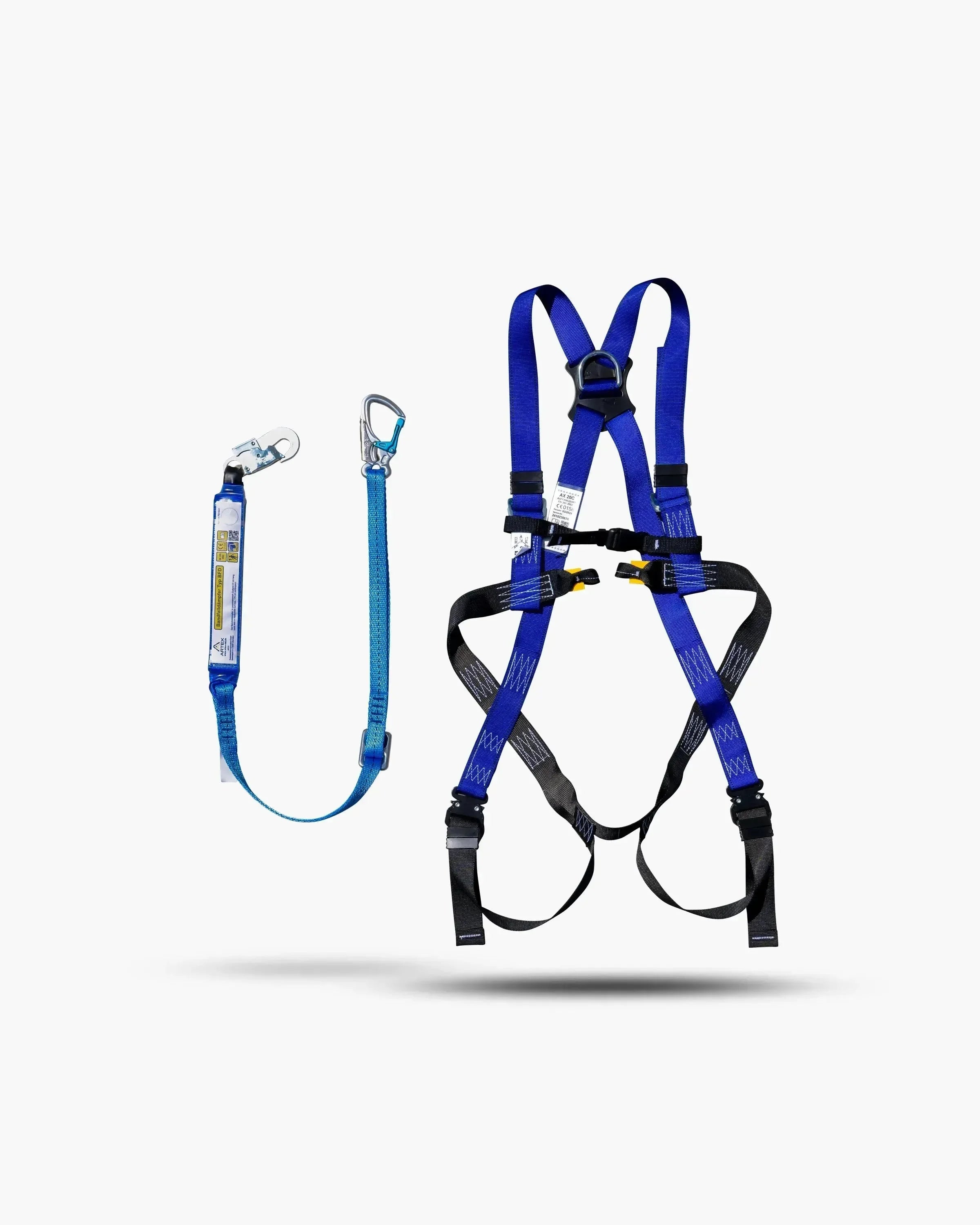
- Define measures: Technical (e.g. support), organizational (e.g. barriers), personal (PPE).
- Documentation: test sheet, checklist, emergency plan – the main thing is to be comprehensible.
Typical risks – and how to manage them
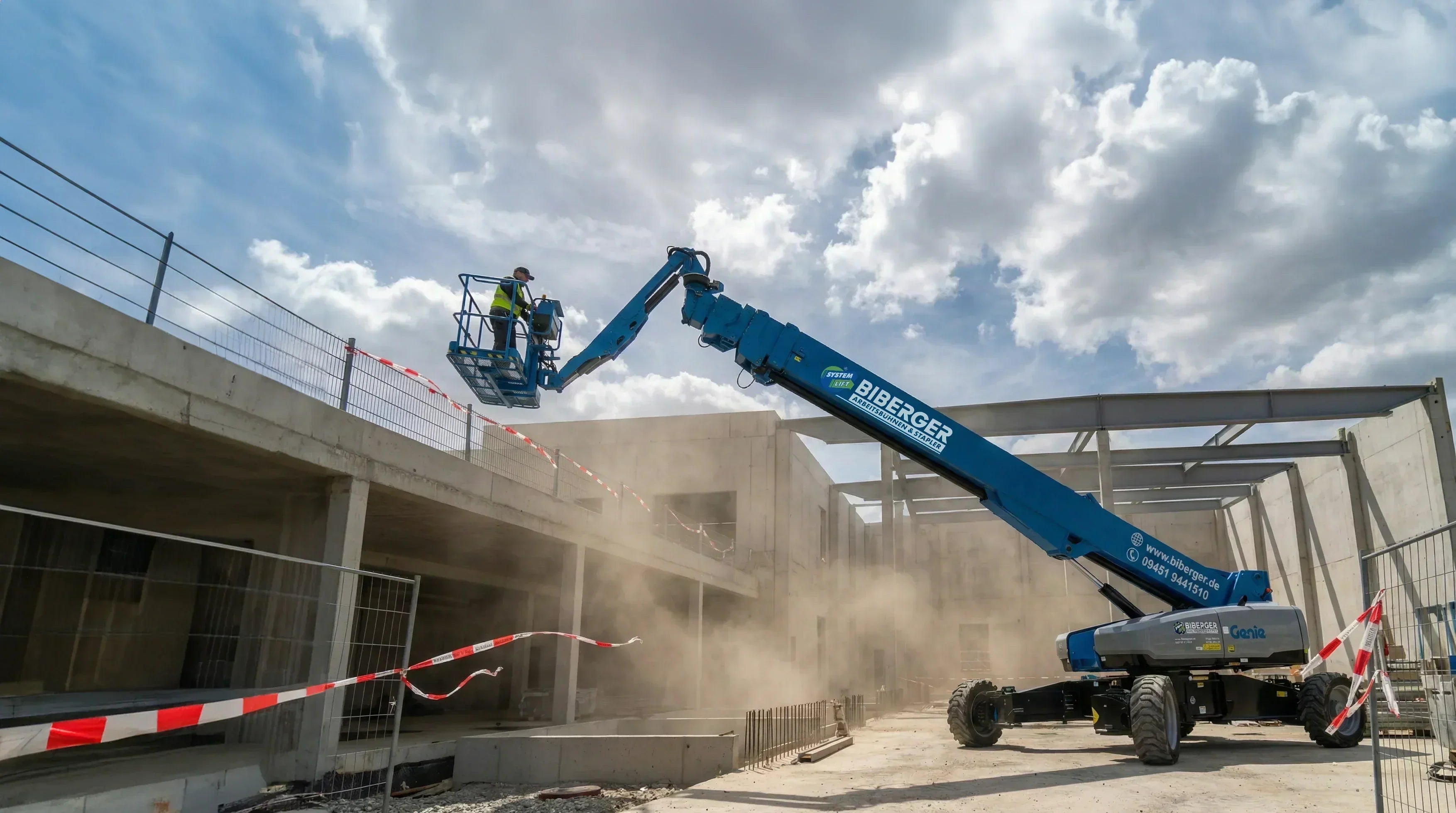
Construction site
- Soft ground or slope – risk of sinking or tipping.
- Construction site traffic with trucks and excavators – risk of crushing.
- Wind, rain, unclear paths – reduced stability.
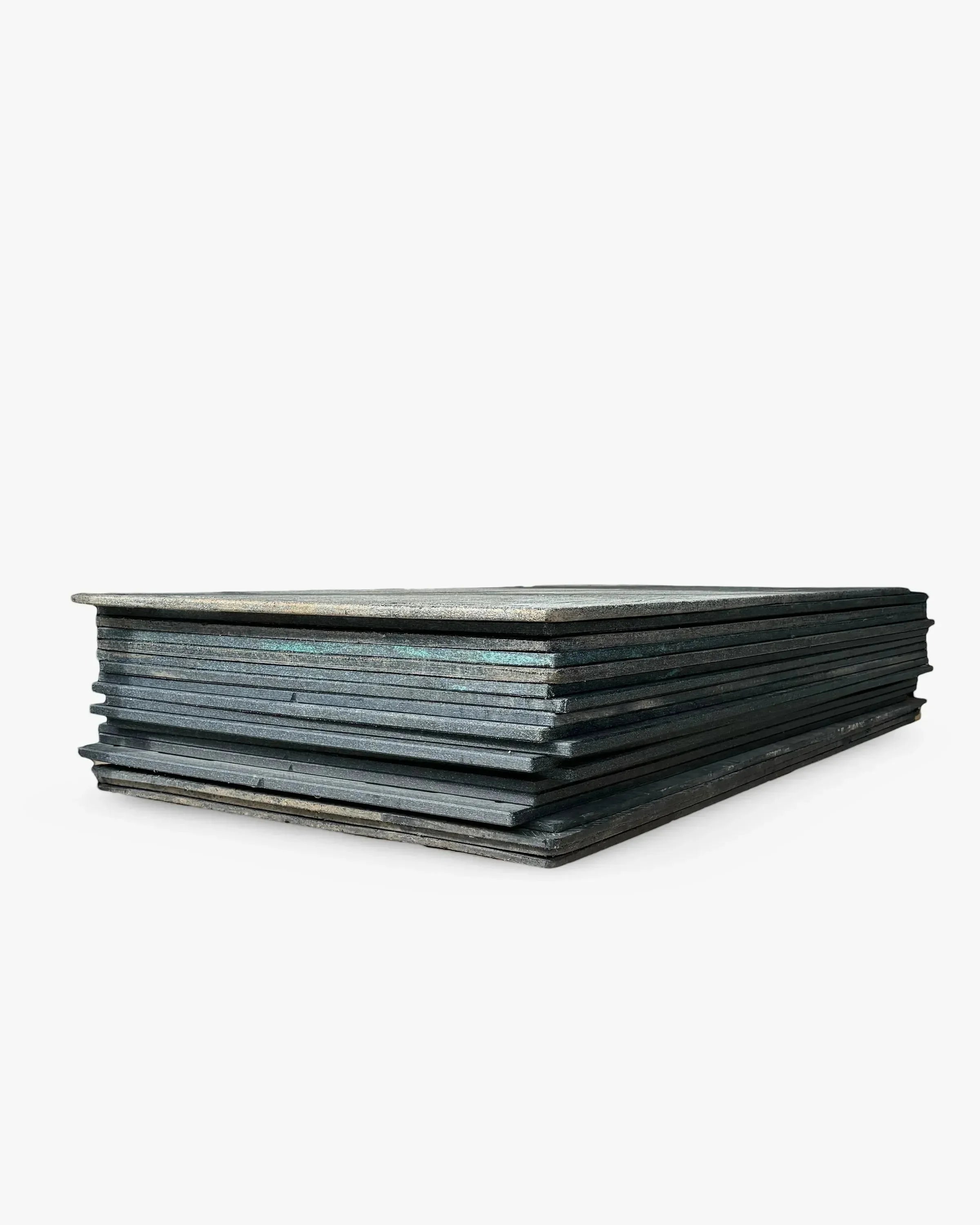
Practical tip: Check load-bearing capacity, install support slabs, and define weather limits. You can find out more about soil loads here.
Industrial hall or warehouse
- Narrow paths, poor visibility – risk of collisions.
- Mixed traffic between pedestrians and equipment.
- Slippery floors due to oil or moisture.
Measure: Separate driveways and sidewalks, use mirrors or cameras, keep floors clean, check lights.
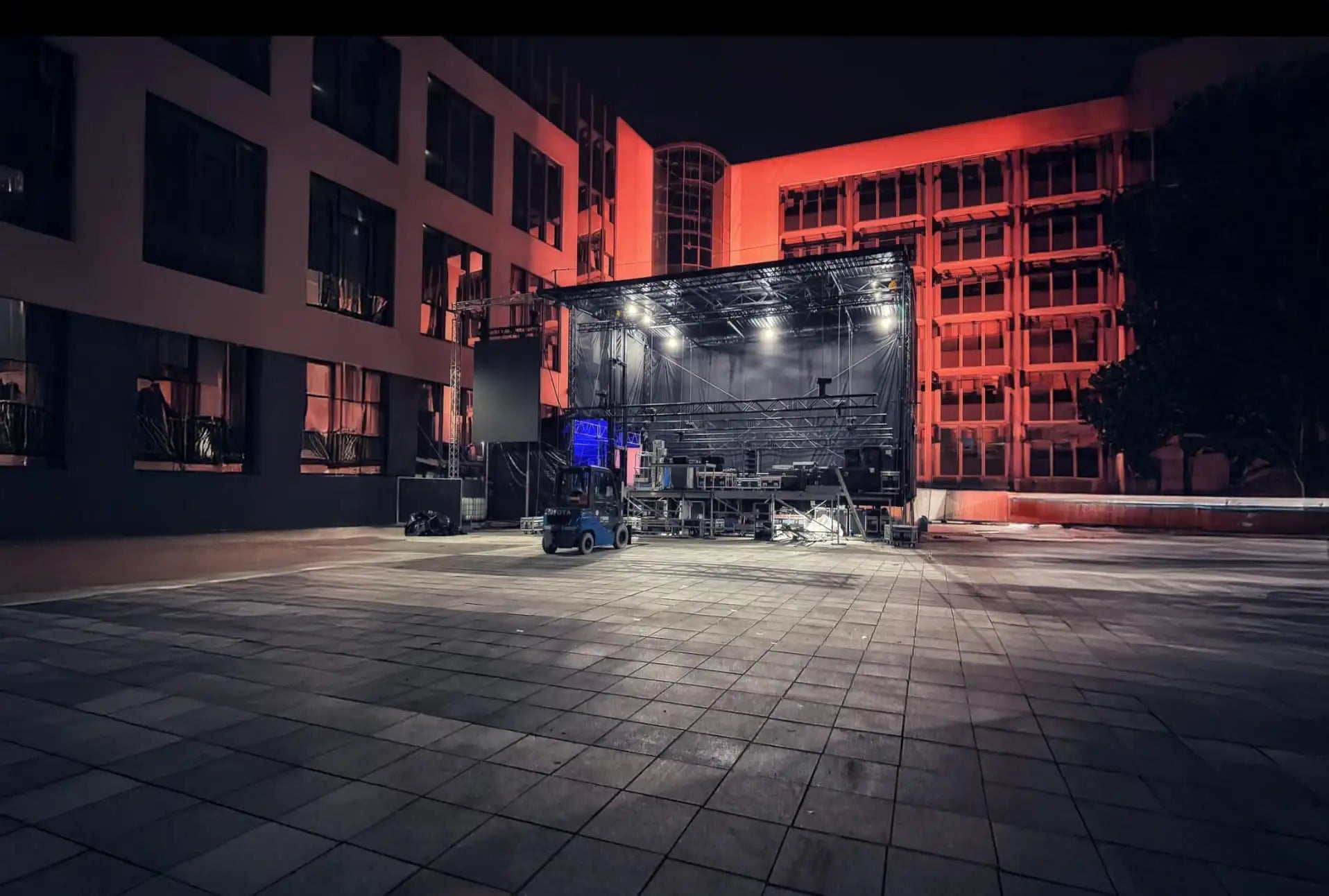
Event or outdoor area
- Uncontrolled flow of people.
- Weather changes and nearby power plants.
- Confined or improvised parking spaces.
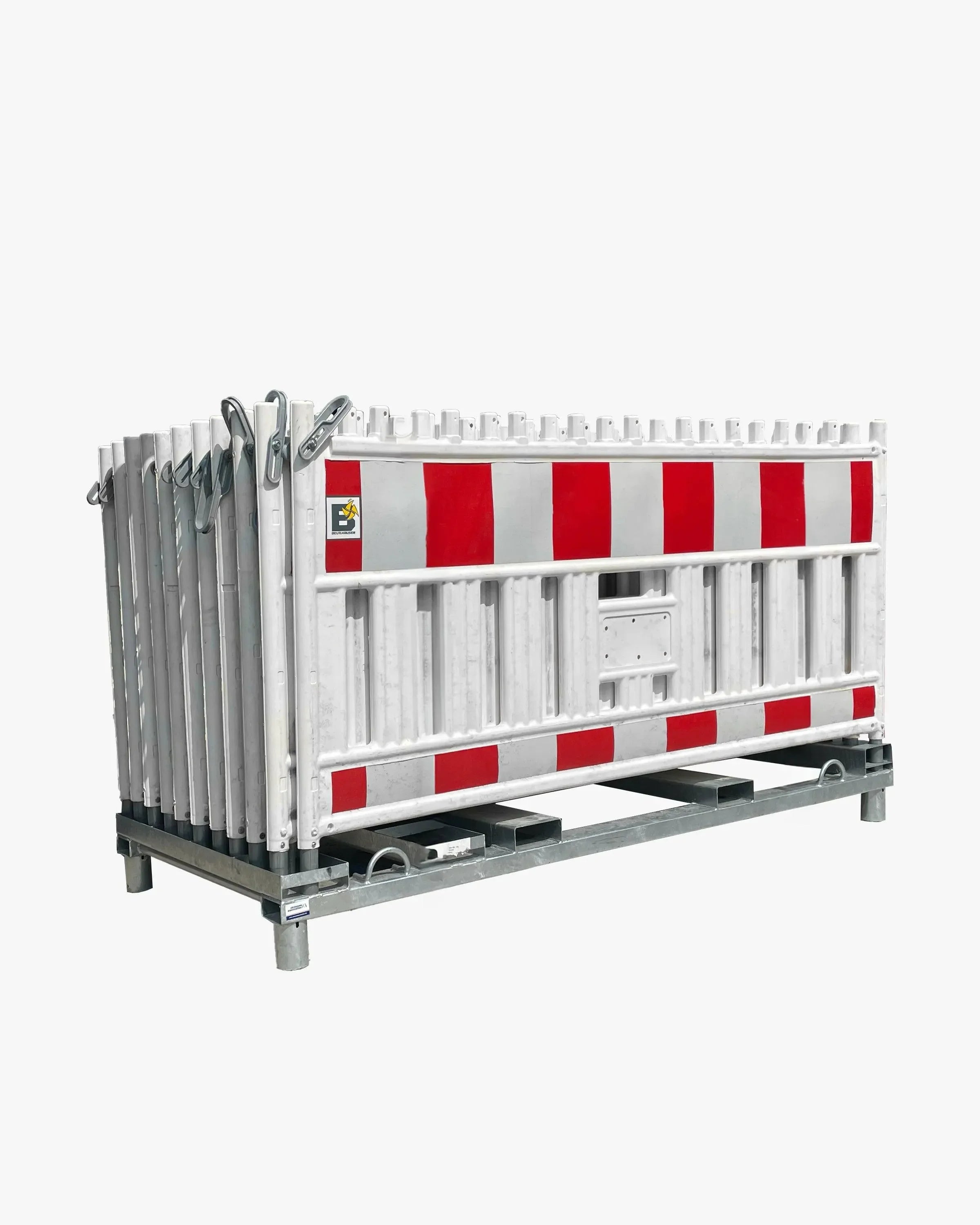
Measure: Cordon off areas, secure supports, mark escape routes.
Checklist: What you should always pay attention to
| Checkpoint | Description | Recommended action |
|---|---|---|
| Soil conditions | Load-bearing capacity, inclination, subsoil | Support plates, visual inspection, no rough estimate |
| Weather conditions | Wind, rain, ice | Observe the manufacturer's application limits |
| Overhead lines | Distance after voltage | At least 3 m up to 110 kV, inform network operator |
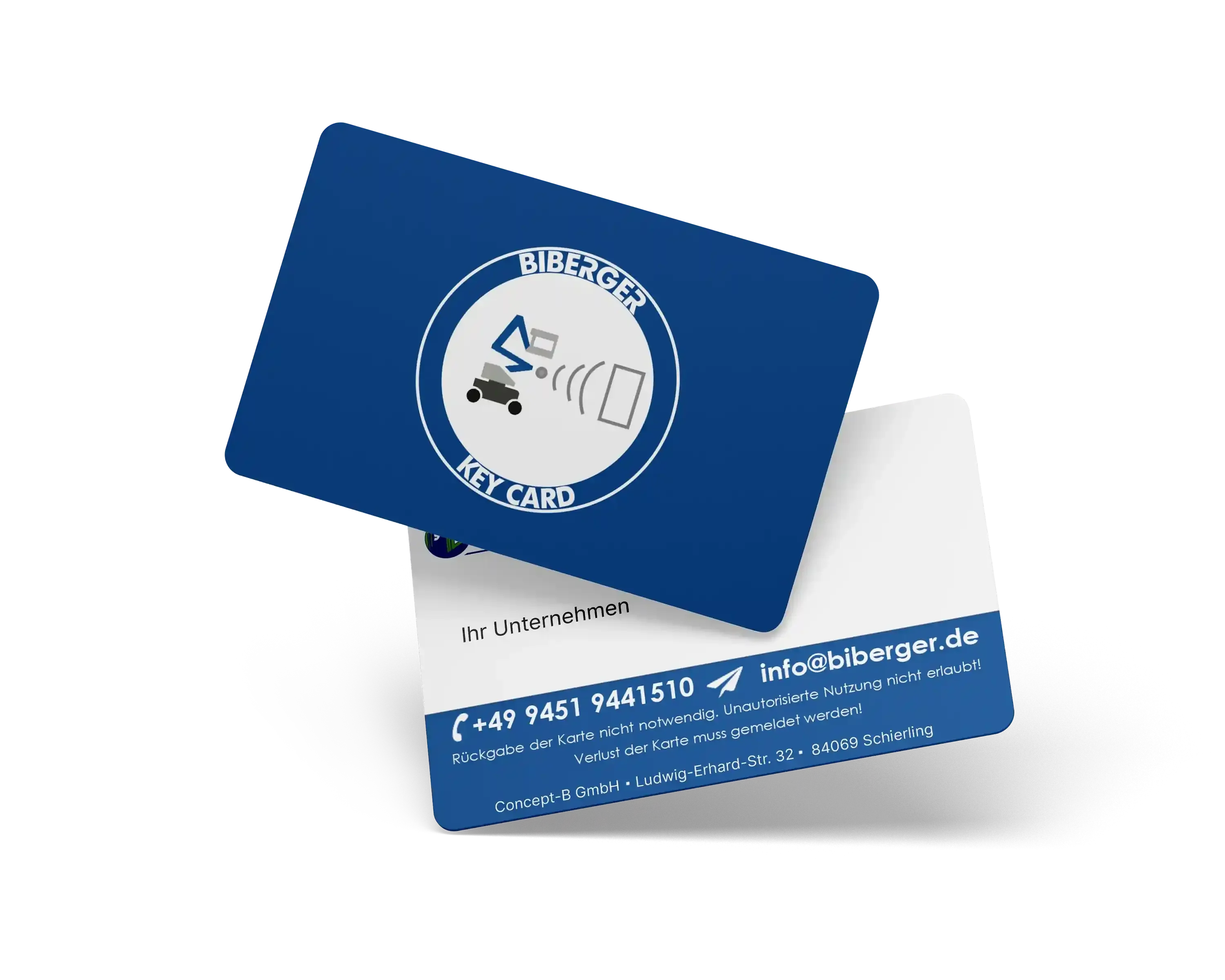
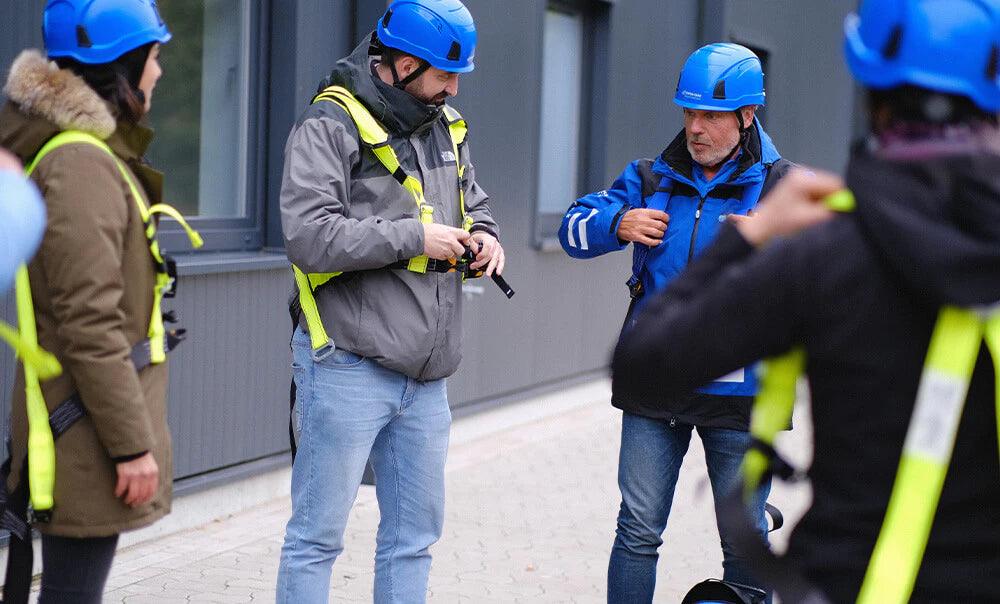
| Operator qualification | e.g. Valid SYSTEM-CARD ID | Use only trained operators |
| Emergency plan | Rescue, emergency descent, communication | Check and instruct before use |
Responsibility: Who does what?
- Operator: Conducts the risk assessment and implements measures.
- Operator: Reports defects, works according to instructions.
- Occupational safety specialist: Supported and documented.
- Landlord: Delivers a tested device – but the responsibility on site remains with you.
You can find out more about the DGUV rules here.
Conclusion: Security is not paperwork
A risk assessment is more than just a form. It's your safety net—for employees, projects, and deadlines. Taking it seriously saves you hassle, downtime, and, in the worst case, serious money. And that's precisely the difference between "already working" and "working safely."
If you're unsure how to properly assess risks at the site, we're happy to support you. As landlords with experience from hundreds of deployments , we know where things get critical – and how to avoid them.




Share:
Access to heights in refineries, power plants, etc.: Which work platform is really suitable?
That's why BIBERGER work platforms are always in Capri blue
Our editorial quality standards
The subject content on biberger.de are editorially created, reviewed, and continuously updated. The basis is our daily work with aerial platforms, telehandlers, and industrial trucks – in rental, sales, operational planning, and technical support.
Each article draws on real-world experience and is editorially reviewed for clarity, accuracy, and practical relevance according to expert criteria. Technical statements are regularly compared against current industry standards and best practices.
The aim of our publications is to make reliable specialist knowledge accessible and to offer guidance to users, decision-makers and industry partners. BIBERGER sees itself as an independent information platform for safe, economical and modern height access technology – well-founded, comprehensible and free from advertising influence.