


 What You Need to Know
Whether it's streetlights, bridge railings, or trees along sidewalks – many municipal tasks require access to heights. With the right aerial work platform, you can work more safely, quickly, and economically.
This article shows you which types of stages are suitable for municipal use , what you need to pay attention to when selecting and using them – and how you can confidently solve typical challenges on site.
Where municipal construction yards really need work platforms
Tree care and pruning in the city area
Whether it's crown maintenance, deadwood removal, or clearance profiling – aerial work platforms enable precise work without risk to personnel or traffic. Unlike climbing operations, you can drive up directly to the target, cut, and immediately pull away again – particularly efficient for repetitive work along roadsides, in parks, or schoolyards.
Maintenance and repair of street lighting
Lamp posts, cable connections, and poles need to be regularly inspected and repaired. Compact truck-mounted or trailer-mounted aerial work platforms allow you to quickly move from location to location – without the need for external lifting equipment.
Maintenance of bridges , signs and traffic engineering
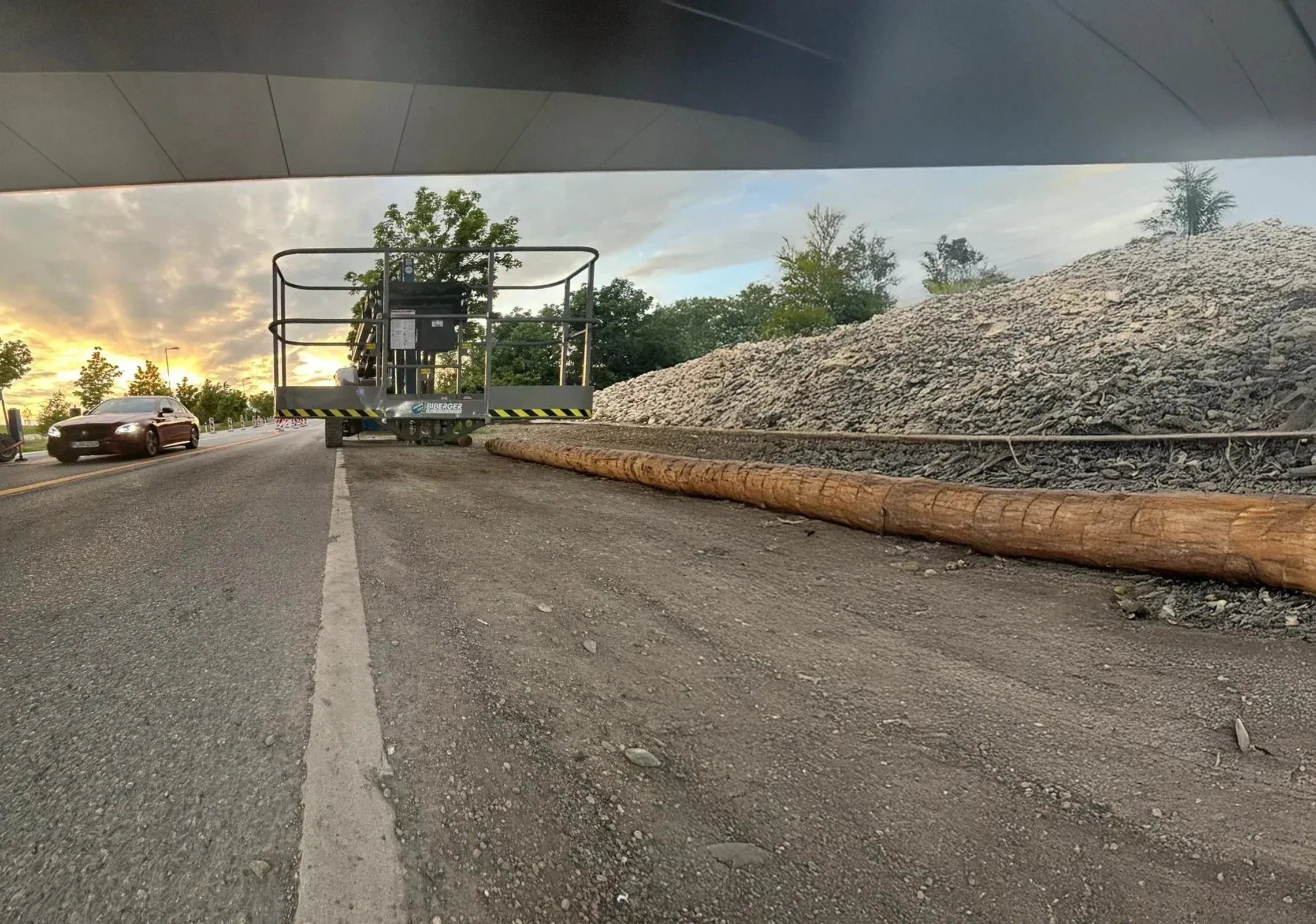
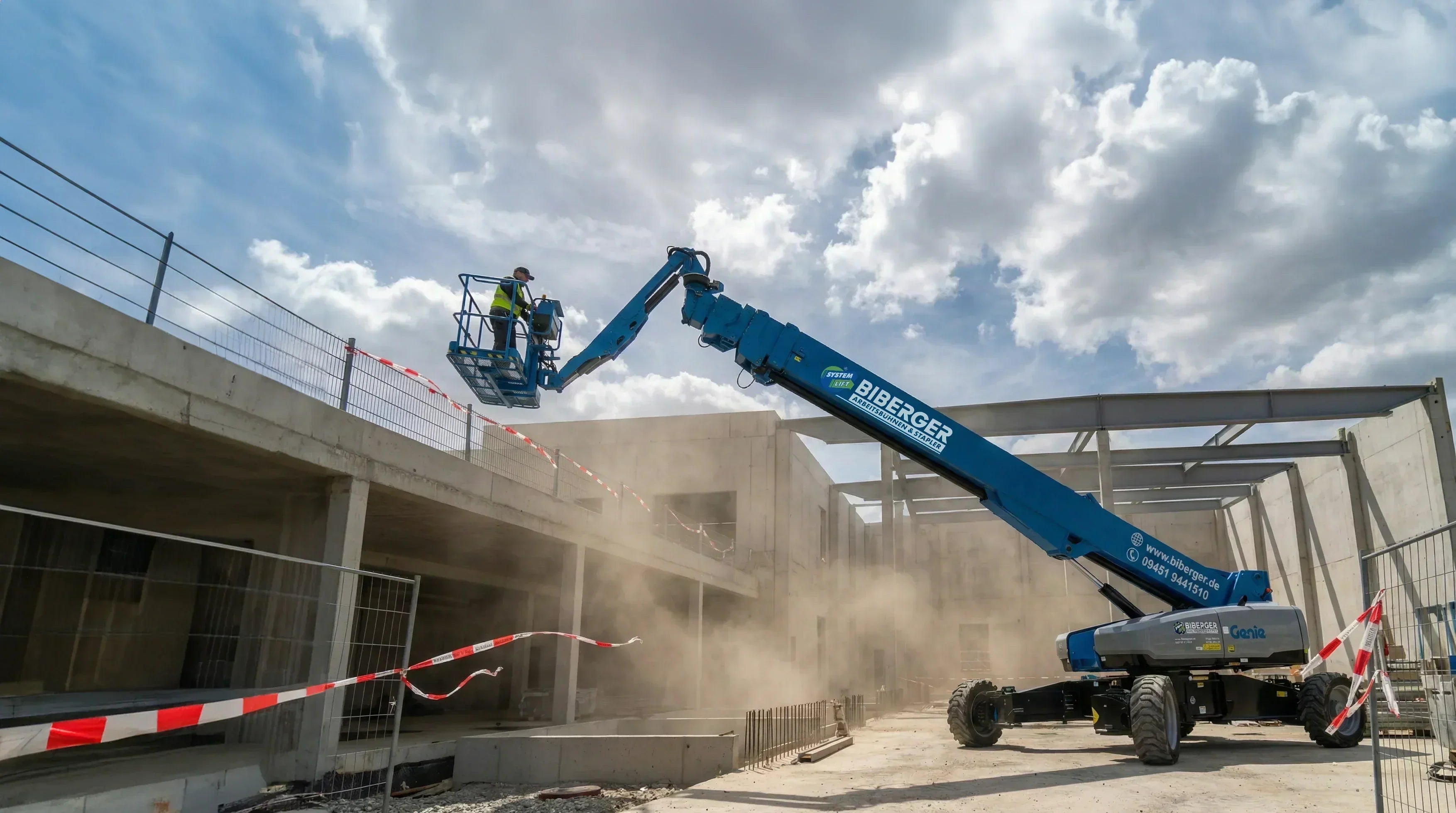
Many traffic signs and control systems are mounted in difficult-to-access locations. Articulated telescopic platforms enable precise positioning in these situations, even over obstacles. For narrow access points – e.g., under bridges – compact dimensions and flexible outriggers are essential.
These work platforms are particularly well suited for municipal tasks.
Truck-mounted aerial work platforms – ideal for changing work locations
With chassis weighing 3.5 or 7 tons, these platforms can be moved with a standard driver's license (Class B/BE). They offer working heights of up to approximately 64 meters and are particularly suitable for day or multi-day assignments involving multiple locations.
Trailer-mounted platforms – lightweight, flexible, efficient
Perfect for smaller tasks or local use: easy to transport, quick to set up, usually powered by a diesel engine and/or 230V electrical connection. Its light weight also makes it suitable for use on more sensitive surfaces (e.g., parks).
Articulated and tracked platforms for rough terrain
When work takes place off-road – for example, on forest paths, in stormwater retention basins, or on sloping terrain – tracked platforms with a long reach and low ground pressure are the first choice. They are also useful for cemeteries or parks where space is limited and the ground is sensitive.
In addition to articulated telescopic boom lifts , there are also scissor lifts with crawler tracks . These are suitable if you need high lifting capacity in confined spaces but can't do without off-road capability . The crawler tracks really shine in situations where tires would sink in or where floor mats aren't feasible .
Rental period: Daily rate, weekly rate, long-term rental
For many municipal deployments, precise coordination of the rental period is worthwhile:
For rental periods of one week or more, many providers offer significantly lower daily rates compared to day-to-day rentals. Especially for planned maintenance or servicing in spring and autumn, weekly or long-term rentals save considerable costs – while maintaining the same flexibility.
Affordable access even in rural areas
Even smaller municipalities benefit from faster availability:
Through the SYSTEM LIFT partner network, almost every location in Germany is served – often directly from the nearest branch . This not only reduces delivery times but also ensures lower transport costs, especially for short rental periods or multiple changeover locations.
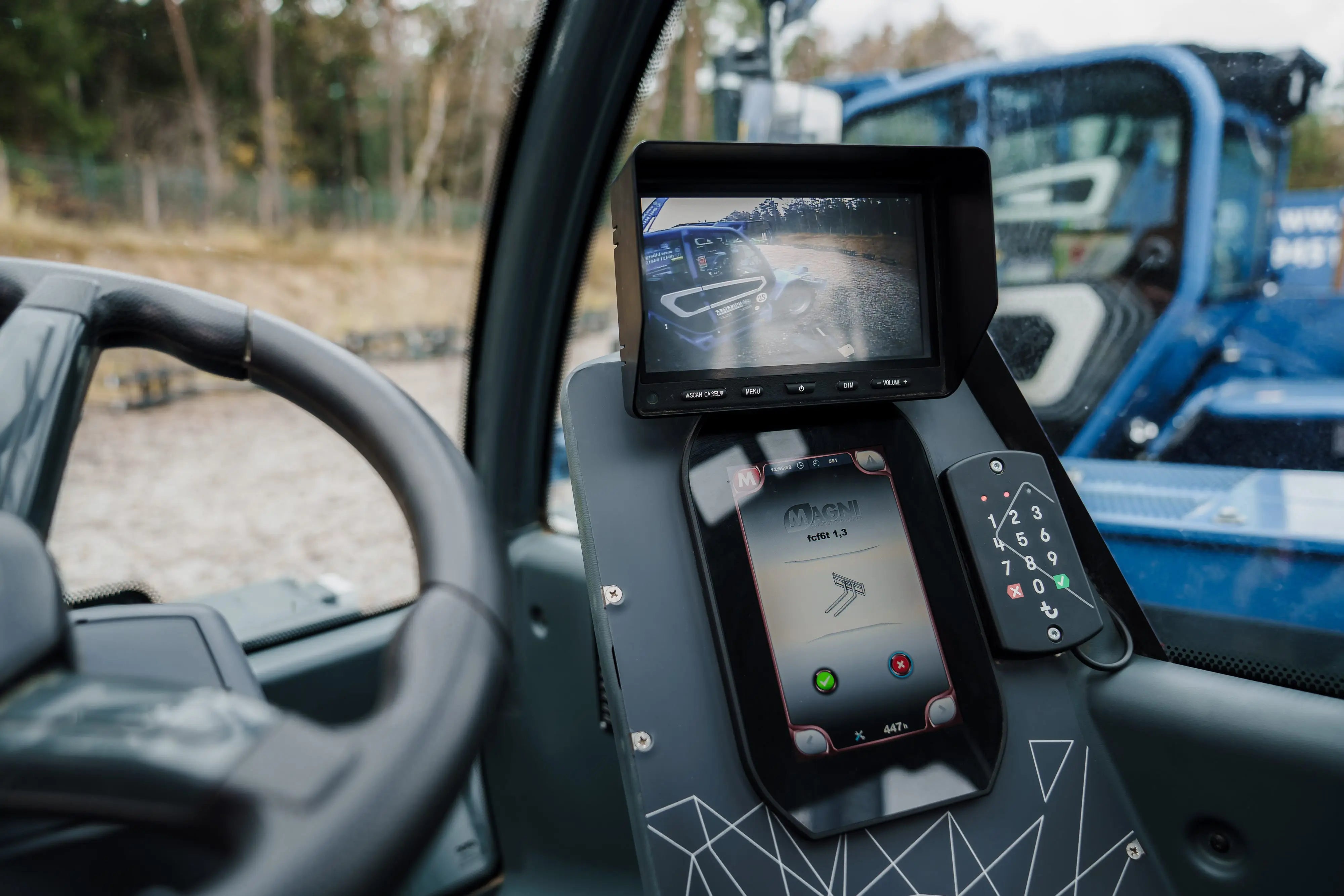
Digital access control: exclusively at BIBERGER
A real plus for municipal operations: digital access control for BIBERGER rental equipment .
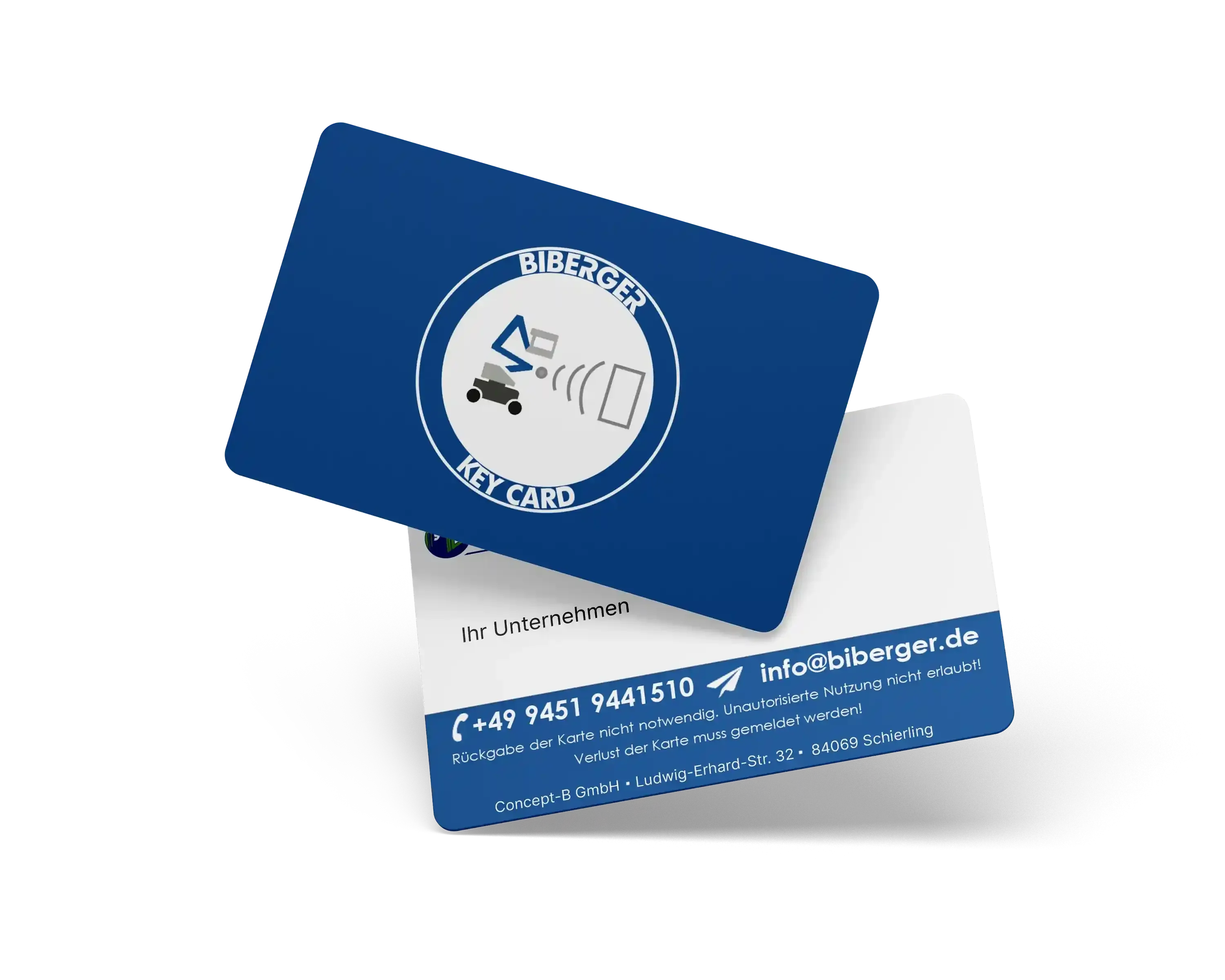
Instead of traditional key management, you use flexible access cards – ideal for teams with changing operators.
You determine who has access and when , see the current location via GPS and keep track of all machine movements – without manual handovers or risks due to lost keys.
Security, efficiency and responsibilities in the municipal environment
Who is even allowed to operate aerial work platforms?
Municipal staff also require theoretical and practical instruction according to DGUV rule 100-500 – including written authorization.
Landlords like BIBERGER also provide on-site training upon request – including instruction, proof of operation and everything required by the DGUV (German Social Accident Insurance).
Who is responsible for instruction and operation?
The same applies to municipal personnel: Work platforms may only be operated by trained individuals with an operator's license. Many devices can be trained directly upon delivery by the rental company – including proof of operation.
What must be taken into account during operations in public traffic areas?
Safety measures, signage, and, where applicable, permit requirements – especially for work at the roadside. System partners like BIBERGER also provide mobile barriers or traffic management advice if needed.
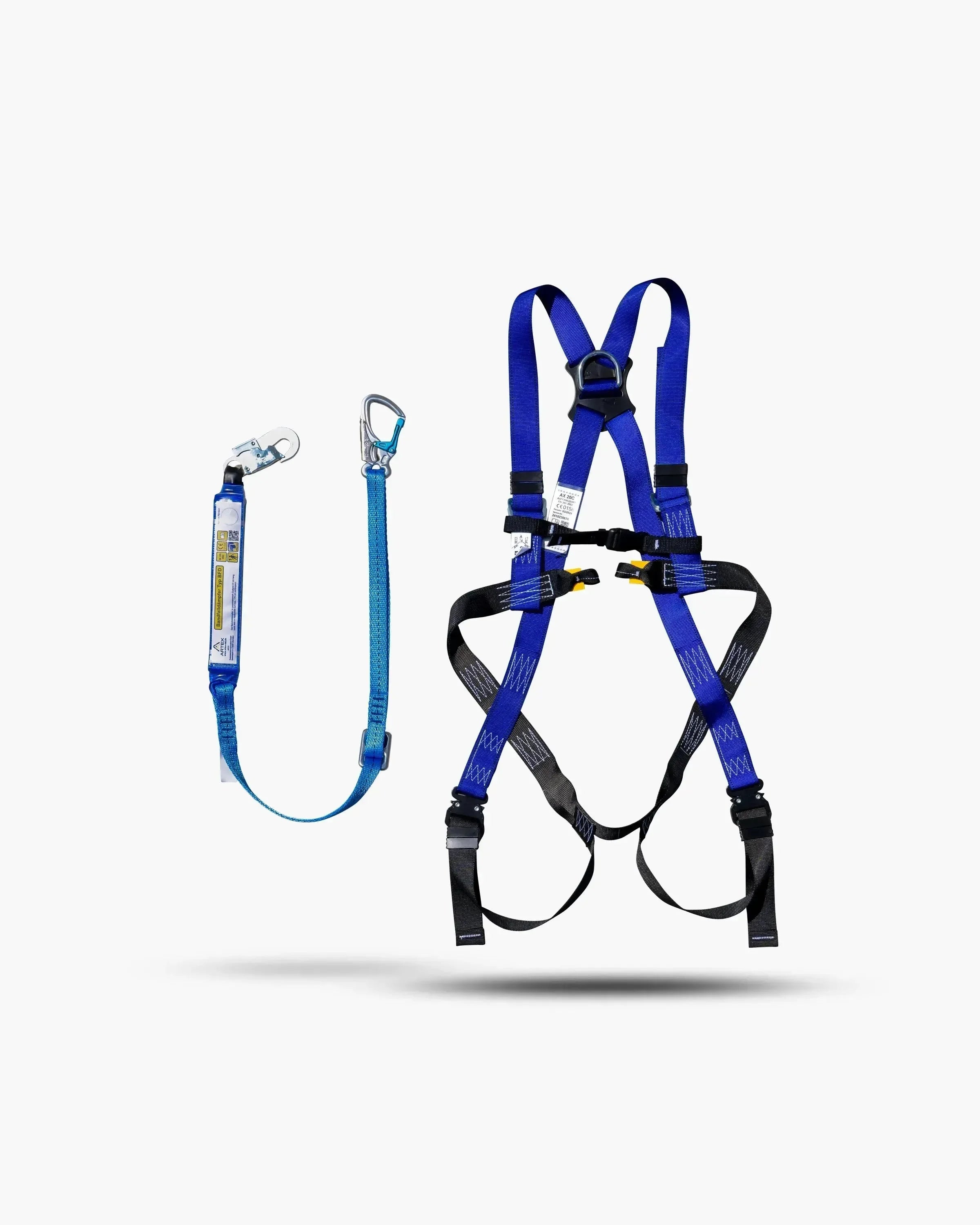
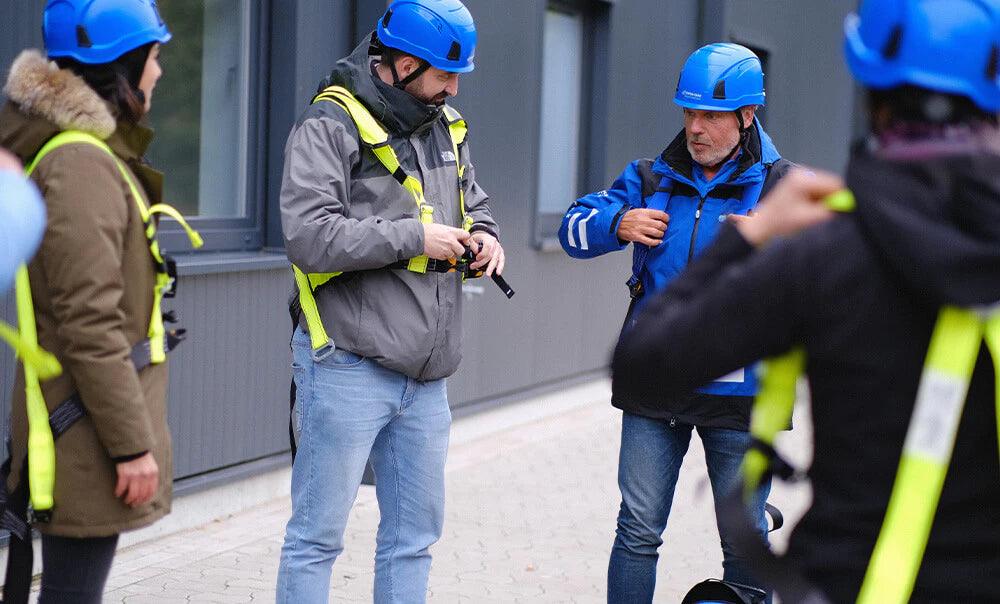
PPE: Personal protective equipment against falls
Whenever work is carried out at greater heights – e.g. on bridges, over water or on steep slopes – personal protective equipment against falls is mandatory.
Anchor points, equipment and training must be checked in advance.
Buying or renting – which is more worthwhile for construction yards?
Many cities and municipalities rent work platforms on a project basis – for example for maintenance campaigns, tree inspections or maintenance waves in spring and autumn.
The advantages: low fixed costs, modern technology, flexible availability.
When does it make sense to buy your own stage?
If work is carried out regularly with a clearly defined purpose (e.g. tree teams or street lighting), a compact platform in-house can be economical – especially with well-utilized staff and clear deployment plans.
This is how you find the right stage for your project
- Check the installation site and ground conditions: paved, unpaved, sensitive
- Clarify accessibility: entry height, passage width, turning radius?
- Calculate the required working height and lateral reach
- Choose electric or diesel drive depending on the operating environment
- Consider accessories: e.g., support plates, power supply in the basket, trailer for materials.
BIBERGER supports you with telephone advice, fast delivery and – if necessary – also with on-site inspection to recommend the right device.
Conclusion – Achieve more with the right stage
Whether it's a streetlamp, a tree, or a bridge railing: municipal operations demand flexibility, safety, and efficiency. Aerial work platforms offer you exactly that – provided you choose the right model and employ trained personnel. Rent or buy only what your team truly needs – and rely on a partner who understands your requirements.




Share:
Last-minute construction site call? Here's how we solve it.
Driving license for construction machinery: How to become an excavator or wheel loader driver
Our editorial quality standards
The subject content on biberger.de are editorially created, reviewed, and continuously updated. The basis is our daily work with aerial platforms, telehandlers, and industrial trucks – in rental, sales, operational planning, and technical support.
Each article draws on real-world experience and is editorially reviewed for clarity, accuracy, and practical relevance according to expert criteria. Technical statements are regularly compared against current industry standards and best practices.
The aim of our publications is to make reliable specialist knowledge accessible and to offer guidance to users, decision-makers and industry partners. BIBERGER sees itself as an independent information platform for safe, economical and modern height access technology – well-founded, comprehensible and free from advertising influence.