








 What You Need to Know
Tools and machines not only bring productivity – they also bring responsibility. Those who provide work equipment must also ensure safety: through clear instructions and legally required training.
Both terms appear frequently in everyday work but are often confused. However, the distinction is important – for occupational safety, liability, and legally compliant conduct.
In this article, you will learn in a concise and understandable way what instruction and training mean exactly – and why both play a central role in the company.
Legal basis: Instruction is mandatory, instruction supplements
The legal basis creates clear guidelines for the safe handling of work equipment in the workplace. In particular, the Industrial Safety Ordinance (BetrSichV) obliges employers to provide employees with appropriate training on the handling and hazards of work equipment .
The term " instruction " is an integral part of legal texts – for example, in the Occupational Safety and Health Act, DGUV Regulation 1, or BetrSichV. The goal is not only to convey information but also to sustainably empower employees to perform their tasks safely, correctly, and responsibly.
The term " instruction" is rarely mentioned in law, but in practice it is closely linked to instruction . It usually takes place directly on the equipment and teaches the specific operation and handling of a specific piece of work equipment —for example, during the initial introduction of new machines or equipment.
In summary, this means : Training is required by law, and instruction is a useful supplement to it in practice . Both measures are necessary to meet legal requirements and permanently ensure the level of safety in the company.
The instruction: meaning, process and responsibility
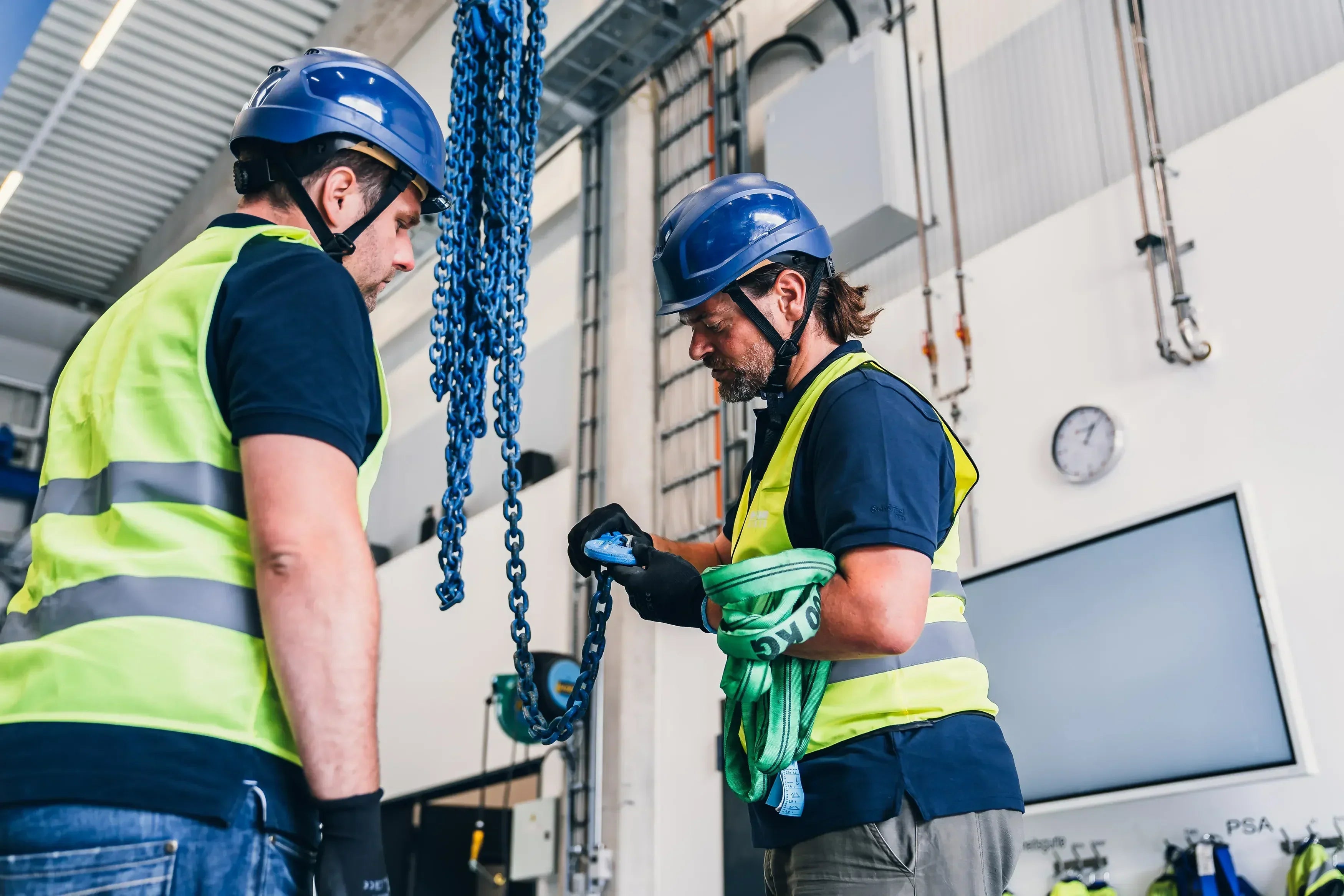
Training is a central aspect of the company's safety culture and a legal obligation for every employer. It serves to impart to employees the knowledge and awareness of how to safely use the work equipment provided. This involves not only proper operation but also educating them about potential hazards associated with the use of the equipment.
Legal anchoring
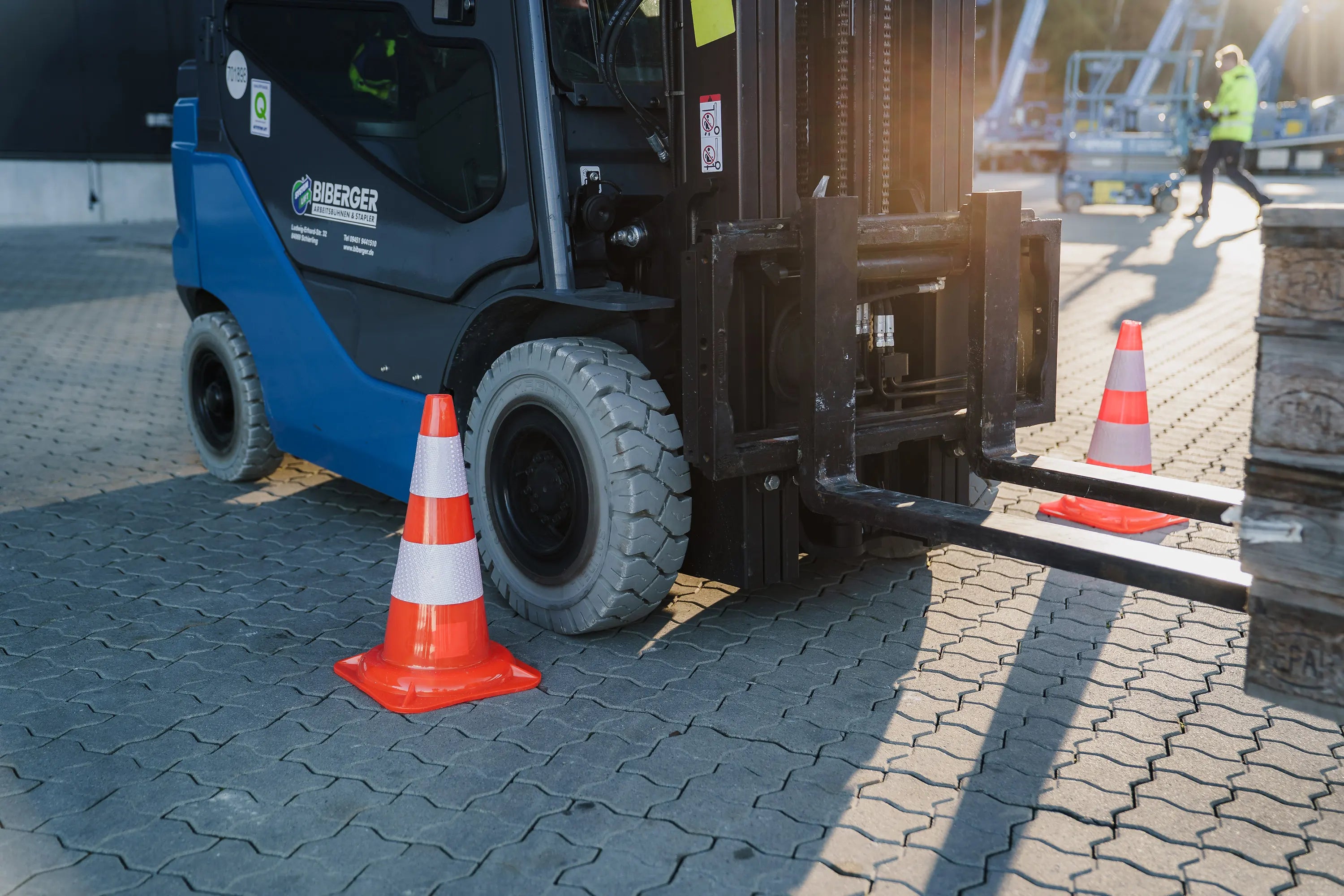
The obligation to provide training is stipulated in the Industrial Safety Ordinance and other relevant laws and regulations. The term "training" is used several times to emphasize the necessity of the measure. One exception is the UVV Industrial Trucks (BGV D27), which requires training for the independent operation of industrial trucks.
Responsibility and implementation
The employer is responsible for training. They are best aware of the hazards and the locations where they work and are therefore obligated to provide employees with appropriate training. Training is ideally conducted by an occupational safety specialist or a trained manager.
Frequency and documentation
Training sessions must be conducted before starting work and at least once a year – additionally whenever the work environment changes or after accidents. These sessions must be documented in writing . Failure to do so could result in fines and problems with the employer's liability insurance association.
The instruction: practical, but not legally sufficient
In practice, instruction represents an important first step – especially when introducing new machines or changing operators. However, it is not equivalent to the legally required training .
What happens during the induction?
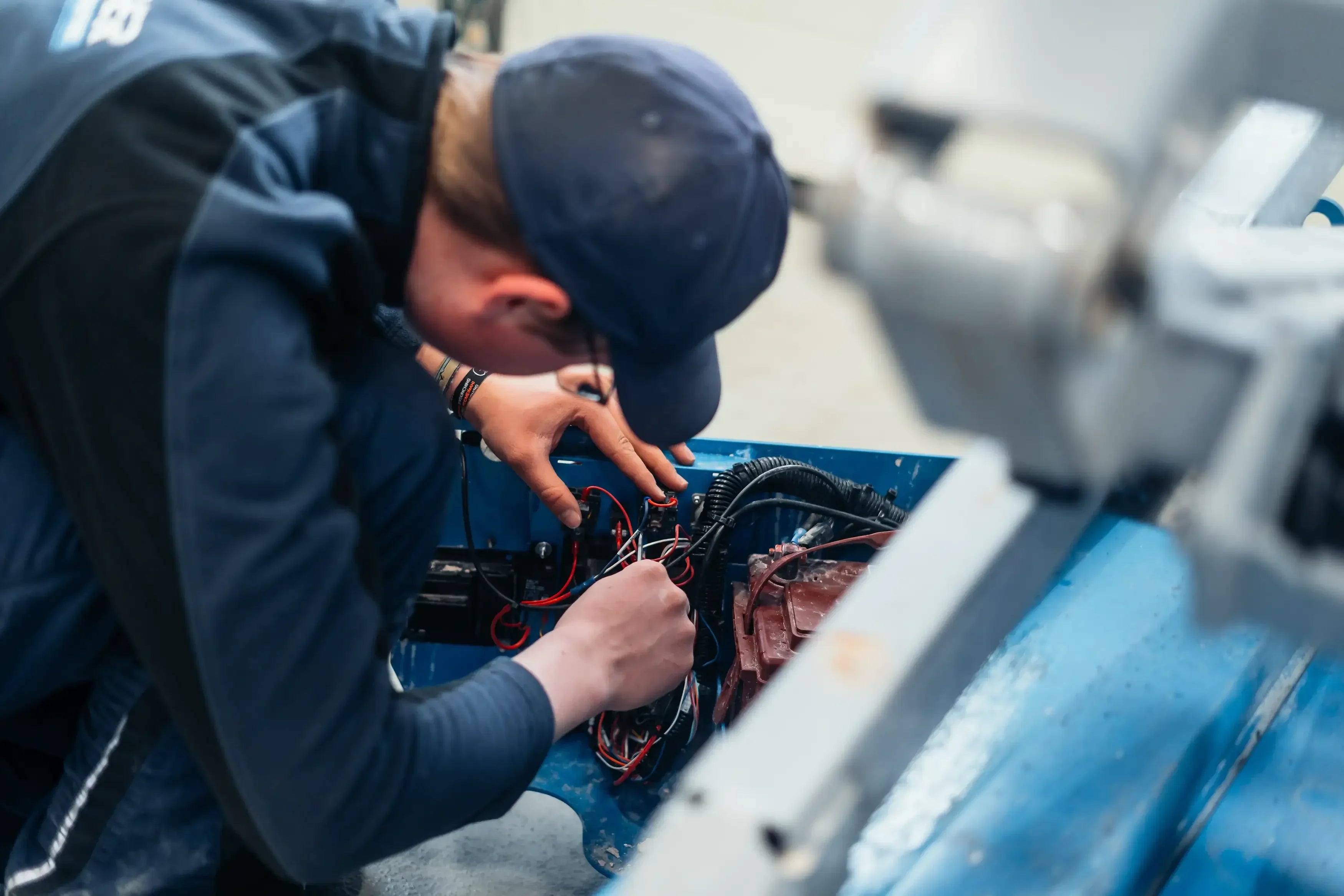
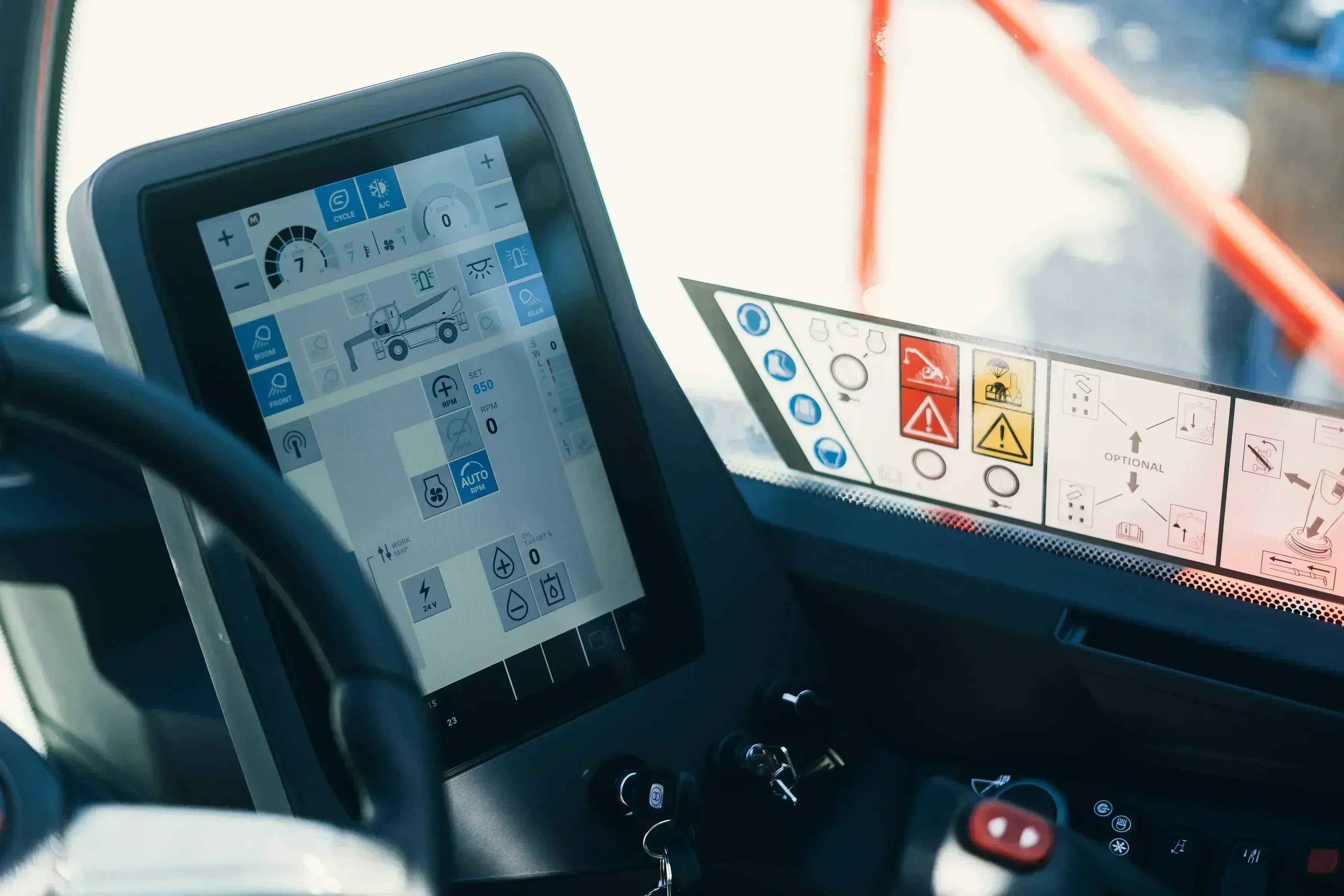
The training explains the specific functions of a device or machine: operation, user interface, and safety features . It often takes place on-site during handover or commissioning and is usually conducted by a service technician or the rental company.
Typical application scenarios
Admissions typically take place:
- when handing over rental machines
- when introducing new machines into the company
- with changing staff or new employees
Instruction does not replace instruction
Important: Even if the briefing is conducted well, it never replaces the legally required training . The briefing covers the device itself, while the instruction refers to the overall hazard situation and safe working practices in context.
Special feature: Machine rental
Especially with rental equipment, it often happens that the person being trained is not the actual operator. Therefore, it is especially important that the employer fulfills their duty to provide training.
Comparison: Instruction vs. instruction
| feature | Briefing | instruction |
|---|---|---|
| Legal obligation | §12 BetrSichV (limited) | §12 ArbSchG, §14 BetrSichV |
| time | Before initial commissioning or device replacement | Before starting work, annually and in case of changes |
| Contents | Operating the device, safety instructions | Risk assessment, protective measures, emergencies |
| Goal | Operating safety | Behavioral safety and legal compliance |
| Implementation | Technician, specialist on site | Occupational safety specialist or supervisor |
| documentation | Recommended | Required by law |
| Length of time | 30–60 minutes | 1–4 hours (depending on device and risk) |
| Legal consequences in case of default | Warning, operational risks | Fines, liability in the event of accidents |
| Examples | Machine handover | Annual safety training |
Instruction in practice
Example logging
Company: ABC Bau GmbH
Date: October 8, 2025
Device: Articulated telescopic platform type X
Participants: Müller, Schmidt
Contents: Hazards (tilt stability, emergency stop, working area limitation)
Documentation: Signature of participants and instructors
Avoid typical mistakes
- No written documentation
- Outdated content (lack of updates after changes)
- No exercise under real conditions
Where can employees be trained?
Depending on the size of the company and qualifications, there are several options:
In-house training
Managers or occupational safety specialists conduct the training themselves. The advantage: it's tailored to the company.
External providers
External partners such as SYSTEM LIFT offer certified training for platforms, forklifts, etc. – including practical exams.
Online instructions
Digital and flexible, often with quizzes to measure success. Suitable for theory, but no substitute for practical instruction.
professional associations
Offer regular training – especially on legal principles and occupational health and safety obligations.
Manufacturer instructions
Equipment manufacturers offer machine-specific training courses that usefully complement instruction and training.
Conclusion: Instruction ≠ instruction
While instruction is useful and practical, it is required by law . Only this approach covers all safety-related aspects and liability issues. The correct combination of both measures protects your employees and your company.




Share:
The 10 most common mistakes when using aerial work platforms
From railings to emergency stops: safety devices on work platforms
Our editorial quality standards
The subject content on biberger.de are editorially created, reviewed, and continuously updated. The basis is our daily work with aerial platforms, telehandlers, and industrial trucks – in rental, sales, operational planning, and technical support.
Each article draws on real-world experience and is editorially reviewed for clarity, accuracy, and practical relevance according to expert criteria. Technical statements are regularly compared against current industry standards and best practices.
The aim of our publications is to make reliable specialist knowledge accessible and to offer guidance to users, decision-makers and industry partners. BIBERGER sees itself as an independent information platform for safe, economical and modern height access technology – well-founded, comprehensible and free from advertising influence.