






 What You Need to Know
Machinery and equipment are indispensable in industry and construction – whether in production, on construction sites, or when renting work platforms or other construction equipment. However, unexpected damage can result in high costs .
This is where machinery breakdown insurance comes into play: It protects against the financial consequences of damage and ensures that operations can be resumed quickly – particularly important for rented machinery.
Briefly explained: What is machinery breakdown insurance?
Machinery breakdown insurance covers operational and material damage to machinery and equipment caused by operating errors, short circuits, explosions, or other unforeseen events.
It covers the costs of repairs or, in the worst case, the replacement of the insured machinery. Unlike comprehensive insurance, it also protects against damage that occurs during operation.
Which machines and equipment can be insured?
Machinery insurance covers stationary and mobile machinery. These include:
- Stationary machines: e.g., production plants or permanently installed construction machinery.
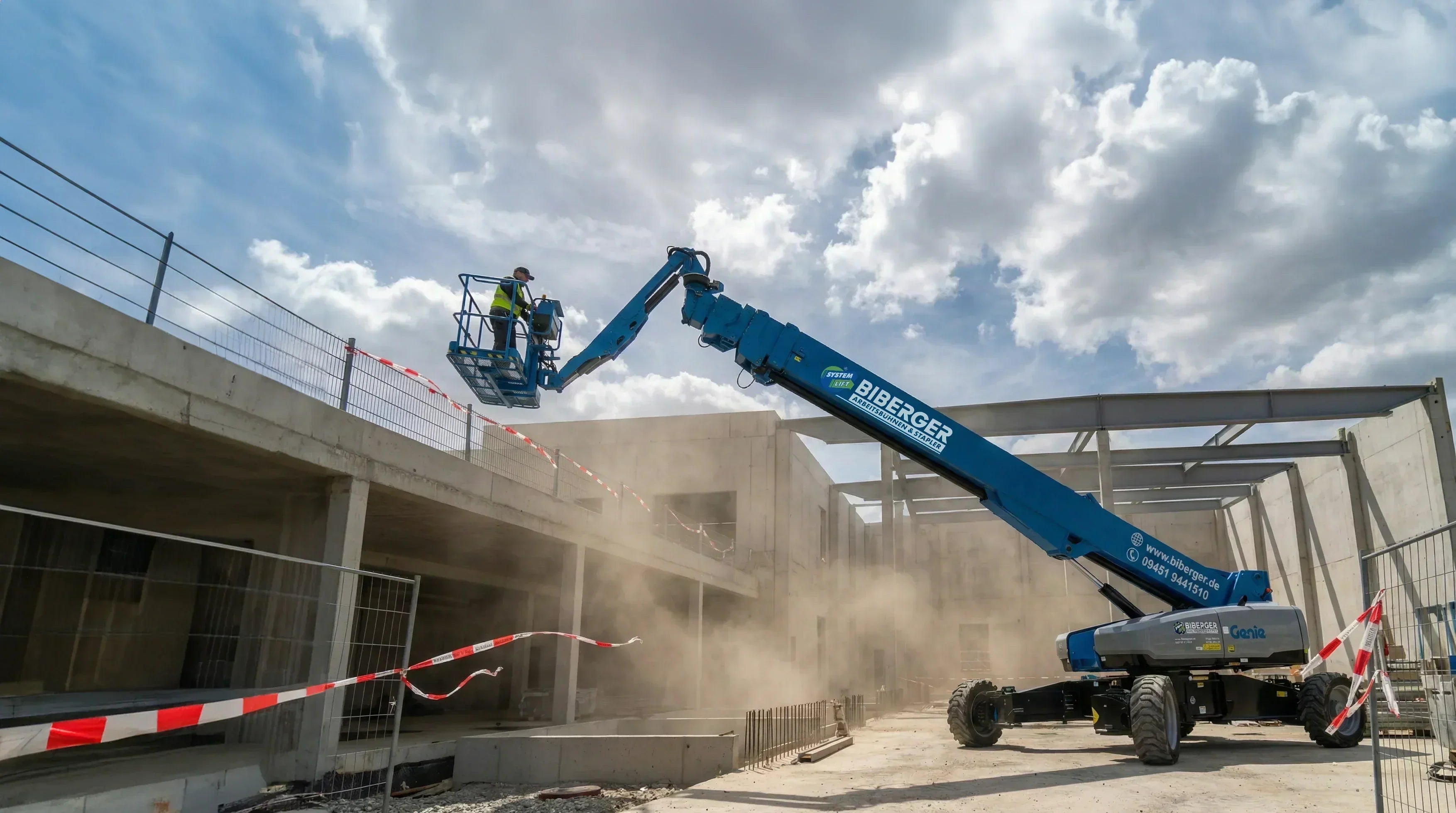
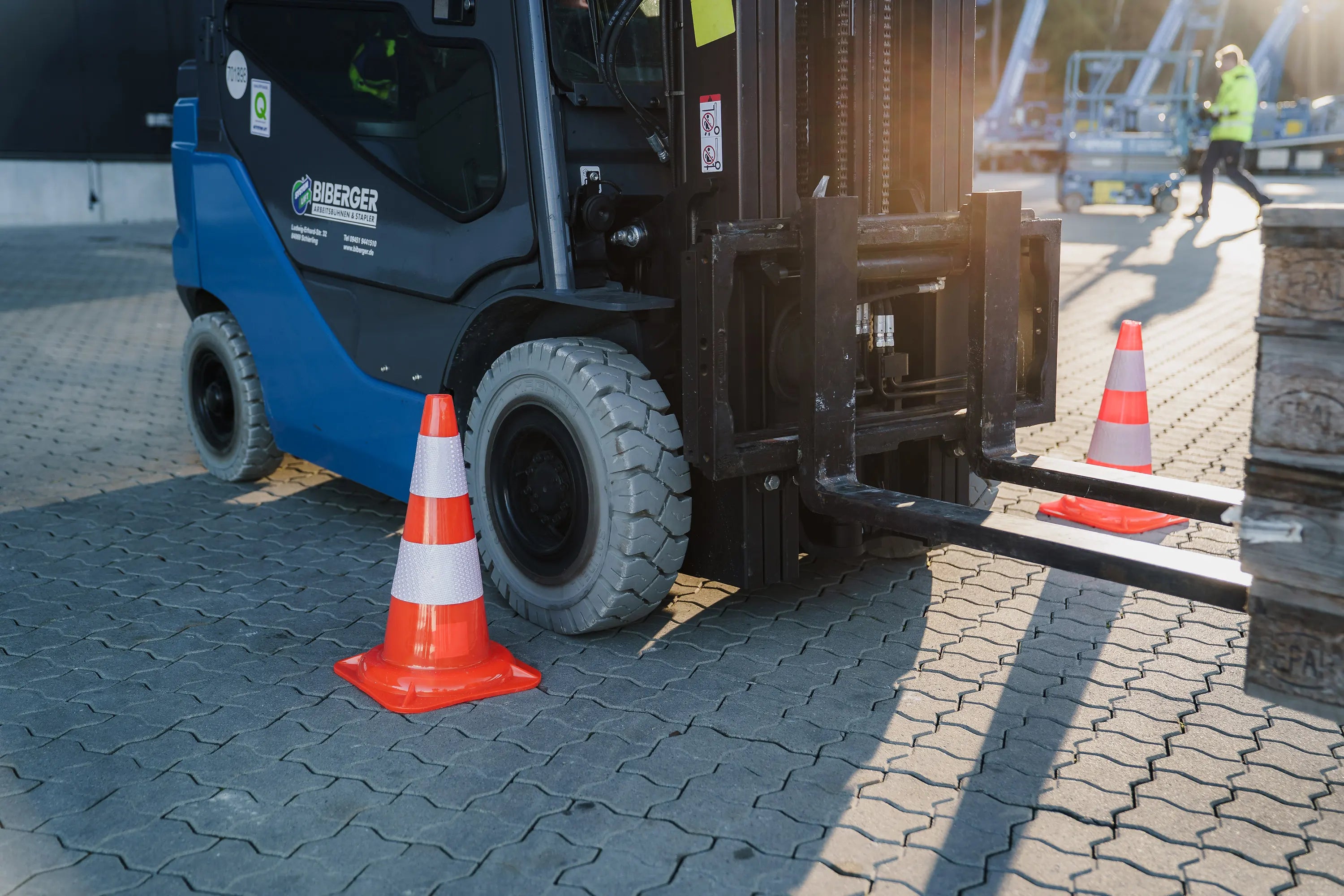
- Mobile and transportable machinery: including work platforms , forklifts and excavators.
Portable equipment such as mobile generators can also be insured to cover risks such as tipping or total loss. The choice of appropriate coverage depends on the area of use and the respective risks.
What damage does machinery breakdown insurance cover?
In the event of damage , different types of damage may be covered depending on the type and scope of the insurance. It is important to consider whether it is a standalone machinery breakdown insurance policy or coverage provided by the landlord.
Private insurance policies usually offer more comprehensive coverage and can be tailored to the individual business. Coverage through landlords is often limited to basic risks.
Typical covered damages include:
- Operator error: Damage caused by human error.
- Internal operational damage: Defects in engines, transmissions or central components.
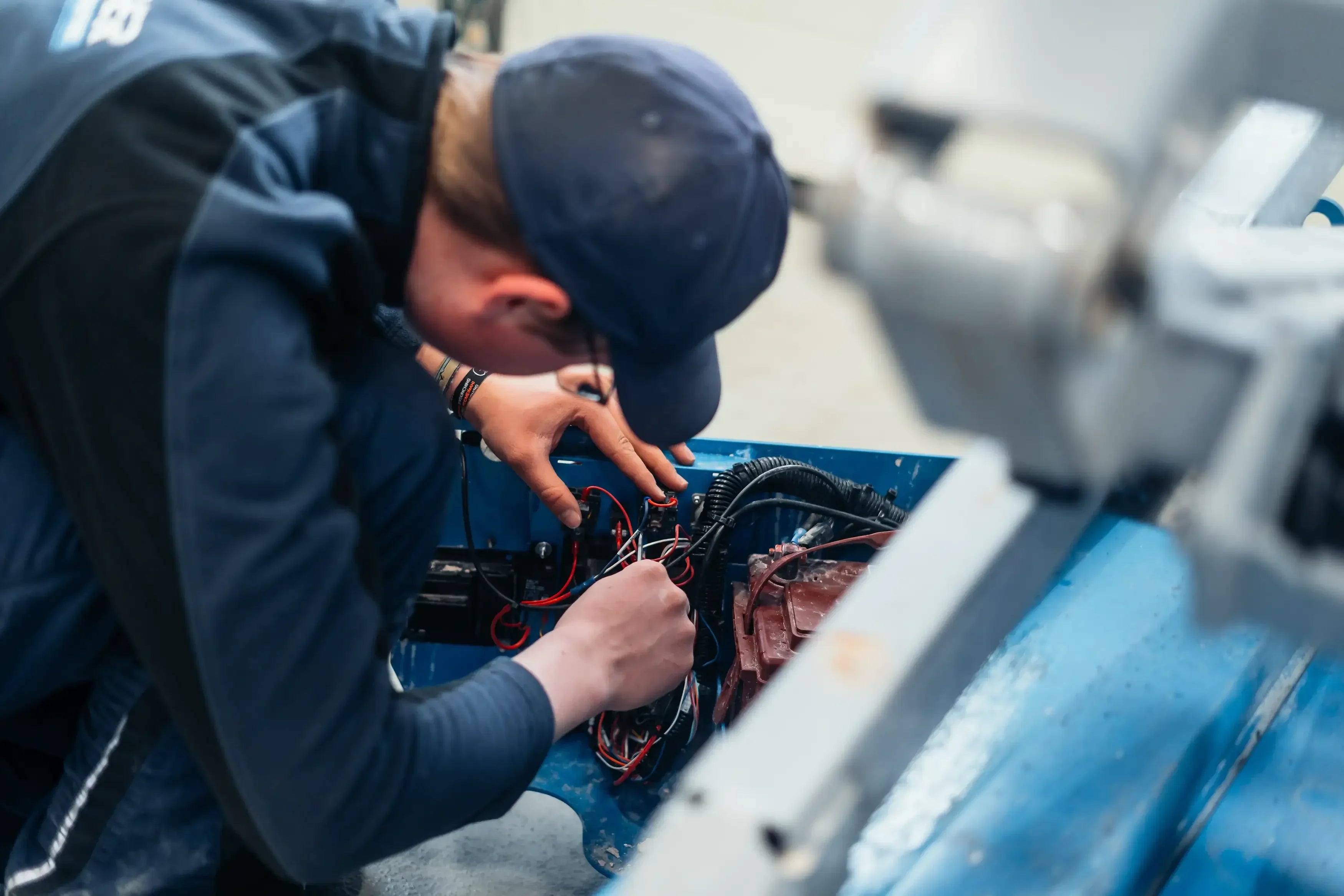
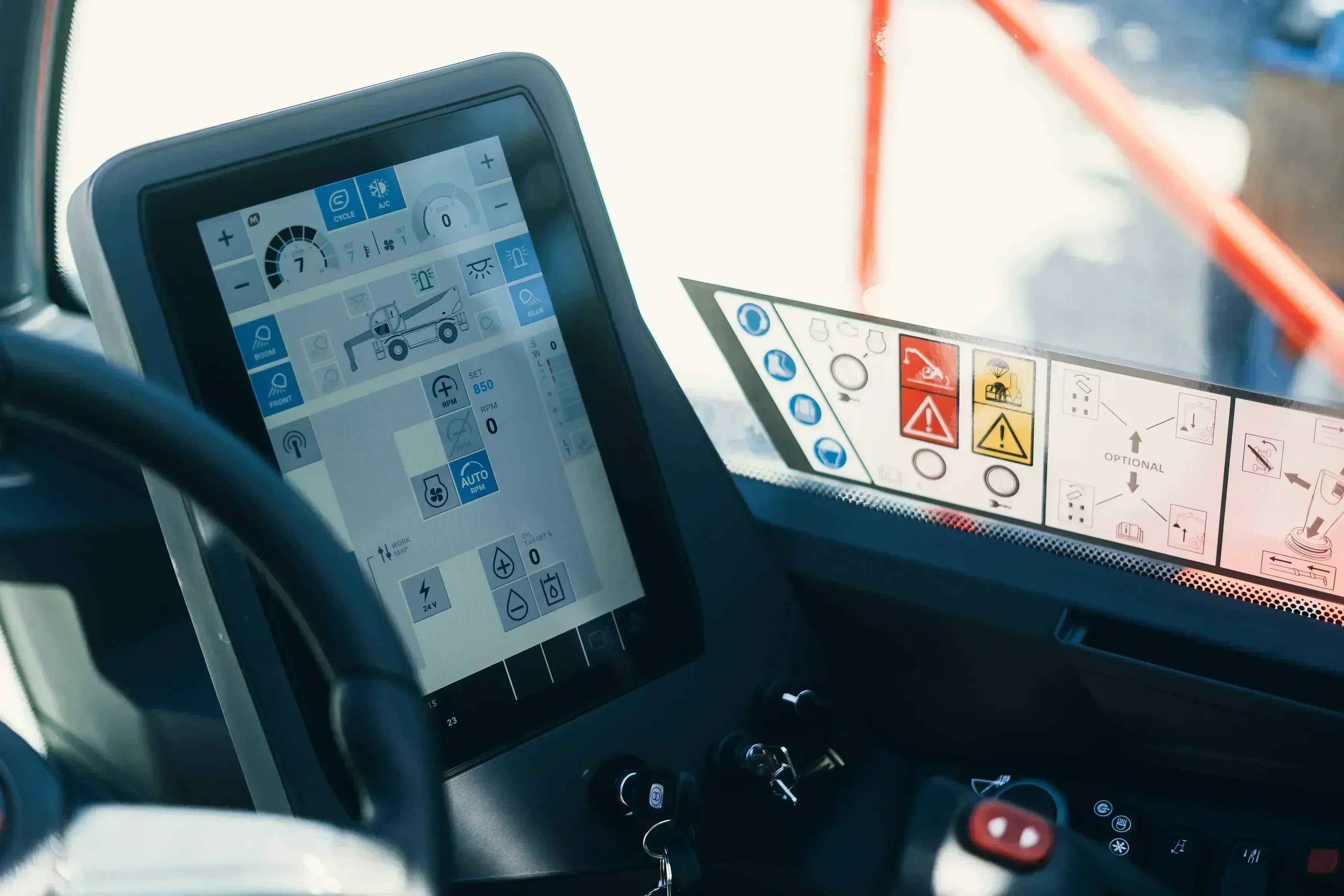
- Failure of measuring, control, or safety devices: e.g., defective sensors or control units.
- Lack of operating materials: Damage caused by a lack of water, oil or lubricant.
- Fire, lightning, explosion: Damage caused by fire or electrical incidents.
- Natural damage: flooding, high water or similar environmental influences.
- Repair costs for spare parts , e.g. a hydraulic control unit.
- Theft, burglary, robbery: protection against loss by third parties.
- Transport damage: Damage during loading or transport.
- Total loss: Coverage of costs for replacement.
Optional additional services
In addition, other costs can be covered, for example:
- Cleanup and disposal costs: Removal of debris or damaged machine parts.
- Soil remediation: Costs of contamination by pollutants.
- Rescue costs: e.g., after an accident or tipping over.
- Movement and protection costs: Expenses to secure machinery or prevent further damage.
This reduces financial consequences and ensures the operational readiness of the machines.

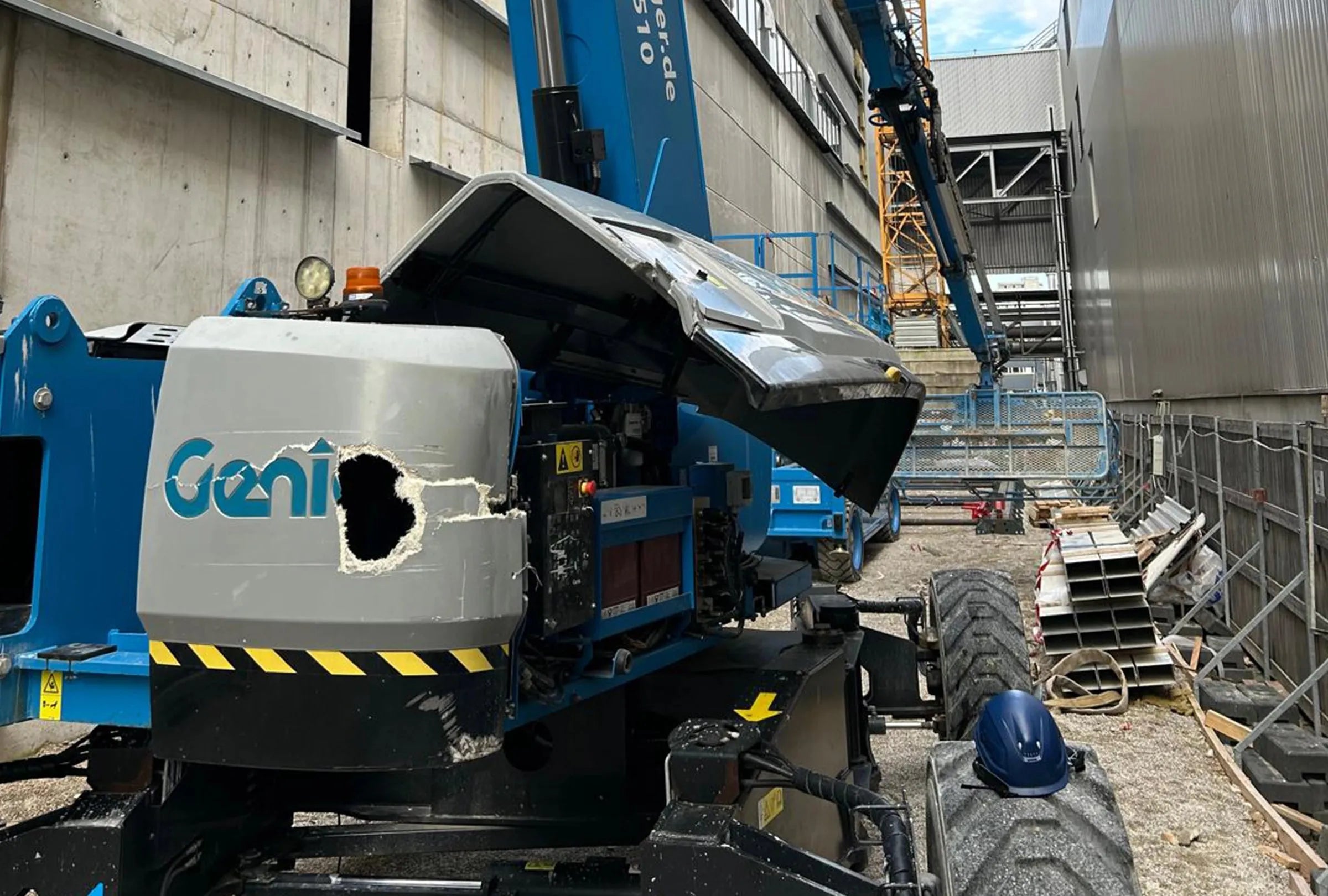
Damage to the work basket of an articulated telescopic work platform .
Typical exclusions
Machinery breakdown insurance applies in many cases, but excludes certain risks:
- Damage caused by wear and tear or lack of maintenance
- Damage caused by improper use, e.g., use on unsuitable terrain
- Minor damages below the deductible
How much does machinery breakdown insurance cost?
The cost of machinery breakdown insurance depends on the type of machine, its replacement value, and the deductible chosen. The following overview provides rough guidelines for annual premiums. Exact premiums vary depending on the insurer, plan, and additional modules.
| Machine type | New value (€) | Deductible (€) | Annual premium (approx.) |
|---|---|---|---|
| mini excavator | 25,000 | 500 | approx. 250 € |
| steamroller | 30,000 | 500 | approx. 325 € |
| excavator | 50,000 | 500 | approx. 445 € |
| Work platform (scissor lift or aerial work platform) | 75,000 | 500 | approx. 670–750 € |
| Telehandler | 60,000 | 500 | approx. 530–600 € |
| printing press | 100,000 | 500 | approx. €500–1,440 |
| Forklift | 100,000 | 500 | approx. 1,040–1,200 € |
| tower crane | 100,000 | 500 | approx. 800–900 € |
Note: The premiums listed are guidelines only. They vary depending on the insurer, plan, deductible, and additional modules. For an exact calculation, we recommend requesting a personalized quote from your insurer.
Rental equipment insurance for rented equipment
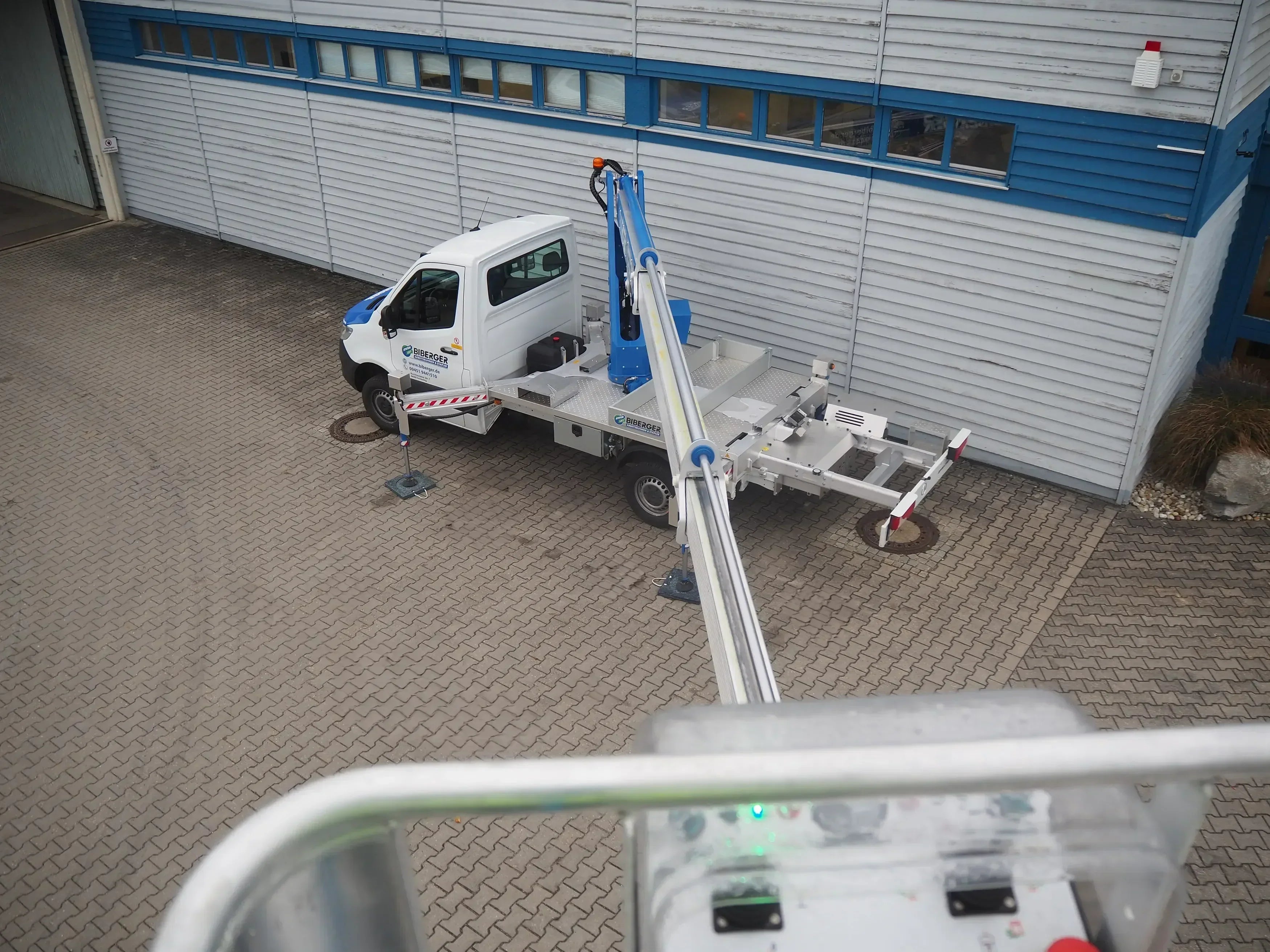
This rental equipment insurance is particularly relevant for renters and lessors of aerial work platforms or forklifts. Mobile machinery on construction sites is often subject to high levels of stress and is sometimes operated by inexperienced personnel.
The rental company's machinery breakdown insurance provides the necessary protection. Important: In most cases, it is included in the rental price or listed separately in the offer. If this information isn't provided, be sure to inquire before renting.
Depending on the contract, a deductible may apply in the event of damage, the amount of which depends on the landlord.
Conclusion: Why machine insurance is important
Whether stationary or mobile, machinery breakdown insurance is essential protection against high repair costs, breakdowns, and unforeseen risks. It ensures that machinery can be repaired or replaced quickly. For both tenants and lessors of construction equipment, it is an essential component of a reliable calculation.



Share:
Off-road work platforms: safe standing for construction sites and demanding projects
Smart Rental: How rental machines make your projects more efficient
Our editorial quality standards
The subject content on biberger.de are editorially created, reviewed, and continuously updated. The basis is our daily work with aerial platforms, telehandlers, and industrial trucks – in rental, sales, operational planning, and technical support.
Each article draws on real-world experience and is editorially reviewed for clarity, accuracy, and practical relevance according to expert criteria. Technical statements are regularly compared against current industry standards and best practices.
The aim of our publications is to make reliable specialist knowledge accessible and to offer guidance to users, decision-makers and industry partners. BIBERGER sees itself as an independent information platform for safe, economical and modern height access technology – well-founded, comprehensible and free from advertising influence.