







 What You Need to Know
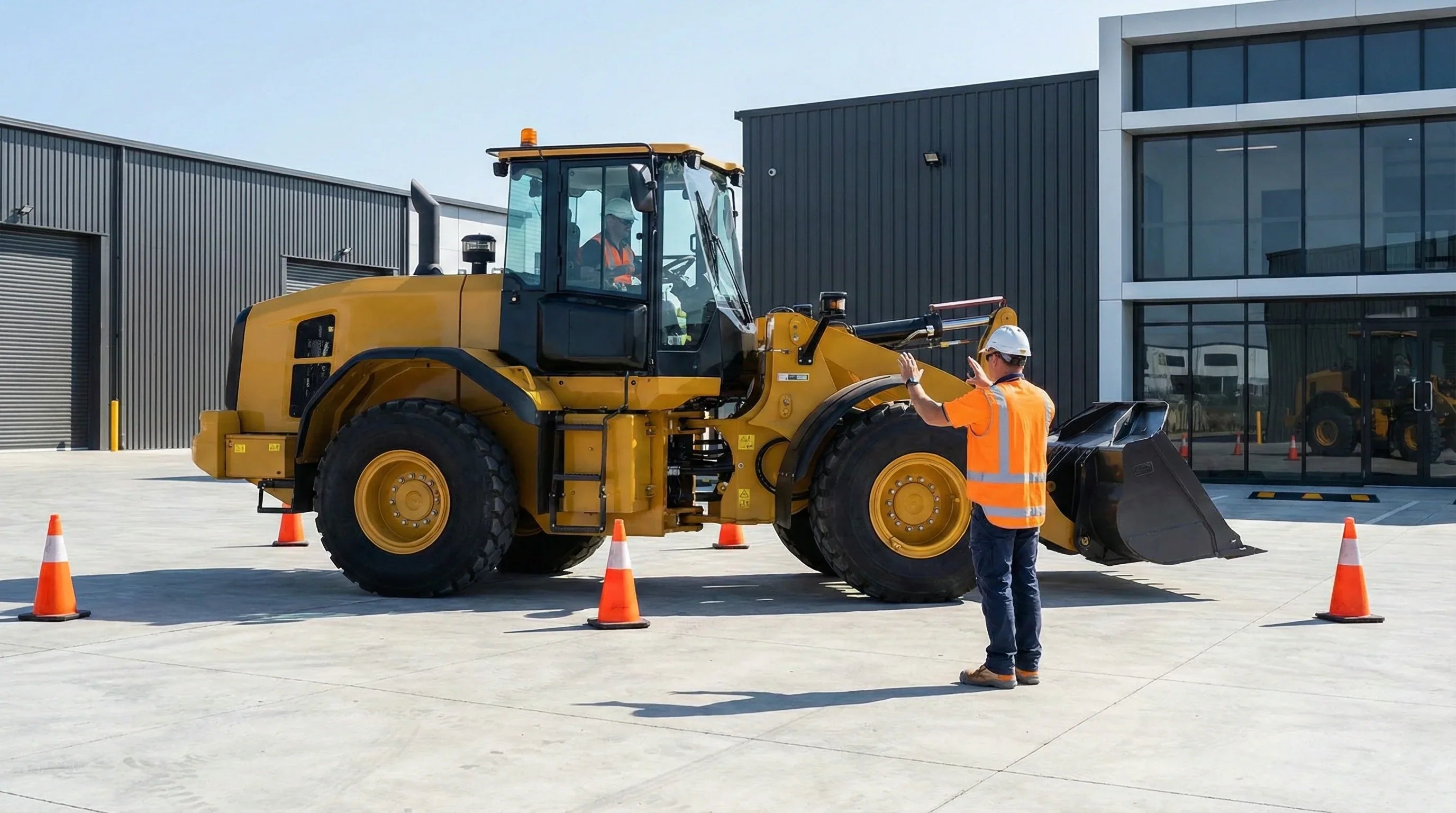
Do you want to drive an excavator? Or operate a wheel loader? Then remember: not all construction machines are created equal – and not all driver's licenses are created equal.
What really matters is the question: Who is actually allowed to drive what – and under what conditions? And that's exactly what we'll clarify here. Practical. Understandable. To the point. So you know when you can just get started – and when it's impossible without training or proof.
What counts as construction machinery?
If you're thinking, "Excavator is a good enough definition," no. Construction machinery is a collective term. This includes, among others:
- Excavators (crawler excavators, mobile excavators, mini excavators)
- Wheel loaders and telehandlers
- Bulldozers, rollers, graders
- Earth-moving machines with higher speed
- Work platforms and telehandlers (yes, those too – more on that below)
Whether on a construction site, in a depot or on public roads : the locations are different, and so are the requirements.
Do you need a driver’s license for excavators and the like?
The answer: It depends.
For road traffic you need a driving license – usually class L, B or CE , depending on the type and speed of the machine.
For pure construction site work, a traditional driver's license is usually not required – but you do need proven qualifications . This is precisely where the so-called excavator driver's license, or excavator license for short, or construction machinery driver's license , comes into play.
Training, instruction or driving license – what is necessary and when?
Principle: As soon as you use a construction machine commercially , you need:
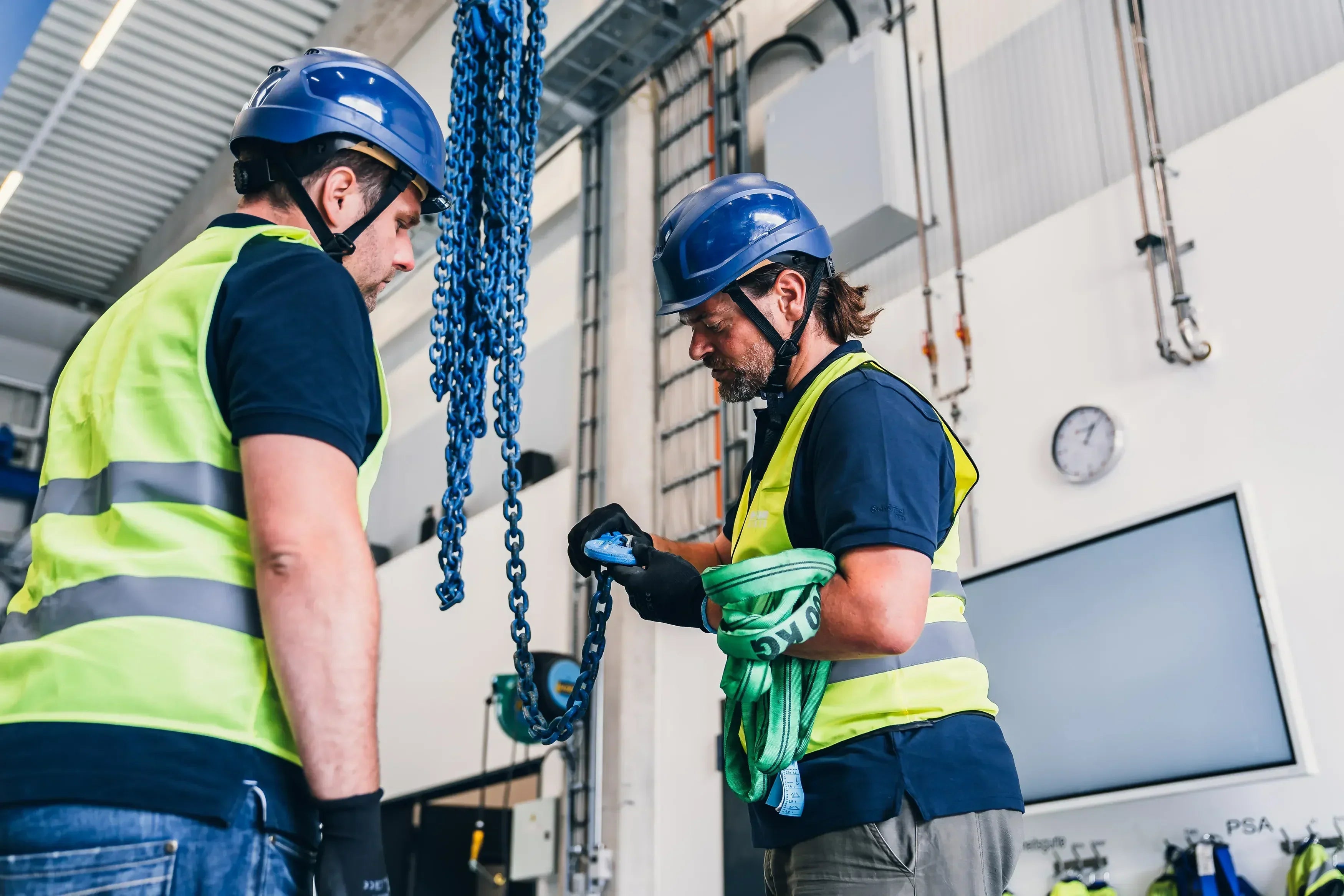
- theoretical and practical training
- instruction by the employer
- a written order
Because: According to the law, only people who have been commissioned and trained are allowed to operate construction machinery .
Please note: This is also mandatory for wheel loaders, telehandlers or mini excavators in depots – no matter how simple the operation appears.
What DGUV 100-500 prescribes for excavator and construction machinery drivers
This regulation is something like the law book for machine operators. It states clearly:
- Only suitable, qualified persons may operate construction machinery
- Entrepreneurs must commission and regularly instruct
- The qualification must be proven theoretically and practically
- Minimum age: 18 years
- When participating in road traffic : appropriate driving license required
Anyone who disregards this not only risks an accident but also legal consequences – for the driver and the employer.
Where can you get your construction machinery driver's license?
Want to do it right? Then get your qualifications through a recognized training program – for example, from:
- DEKRA / TÜV / Construction Academies
- SYSTEM-CARD from SYSTEM LIFT for work platforms, forklifts and crane operators
Here you will learn everything you need to know – from the theoretical part to hazard avoidance and the practical operation of your machine.
Costs, duration, requirements – brief & concrete
| Training type | Length of time | Price (net) | Notes |
|---|---|---|---|
| Express training (with prior knowledge) | 1 day | from 535 € | For experienced operators; compact course with theory and practice |
| Standard training (beginners) | 2–3 days | approx. €699 – €1,250 | Comprehensive training for beginners, including theory and practice |
| Intensive course (e.g. DEKRA, TÜV) | up to 10 days | approx. €800 – €1,900 | For comprehensive qualification, possibly with funding from the Employment Agency |
What about forklifts, telehandlers and lifting platforms?
Good question – because technically, these are also considered construction machinery . But: They are subject to their own regulations .
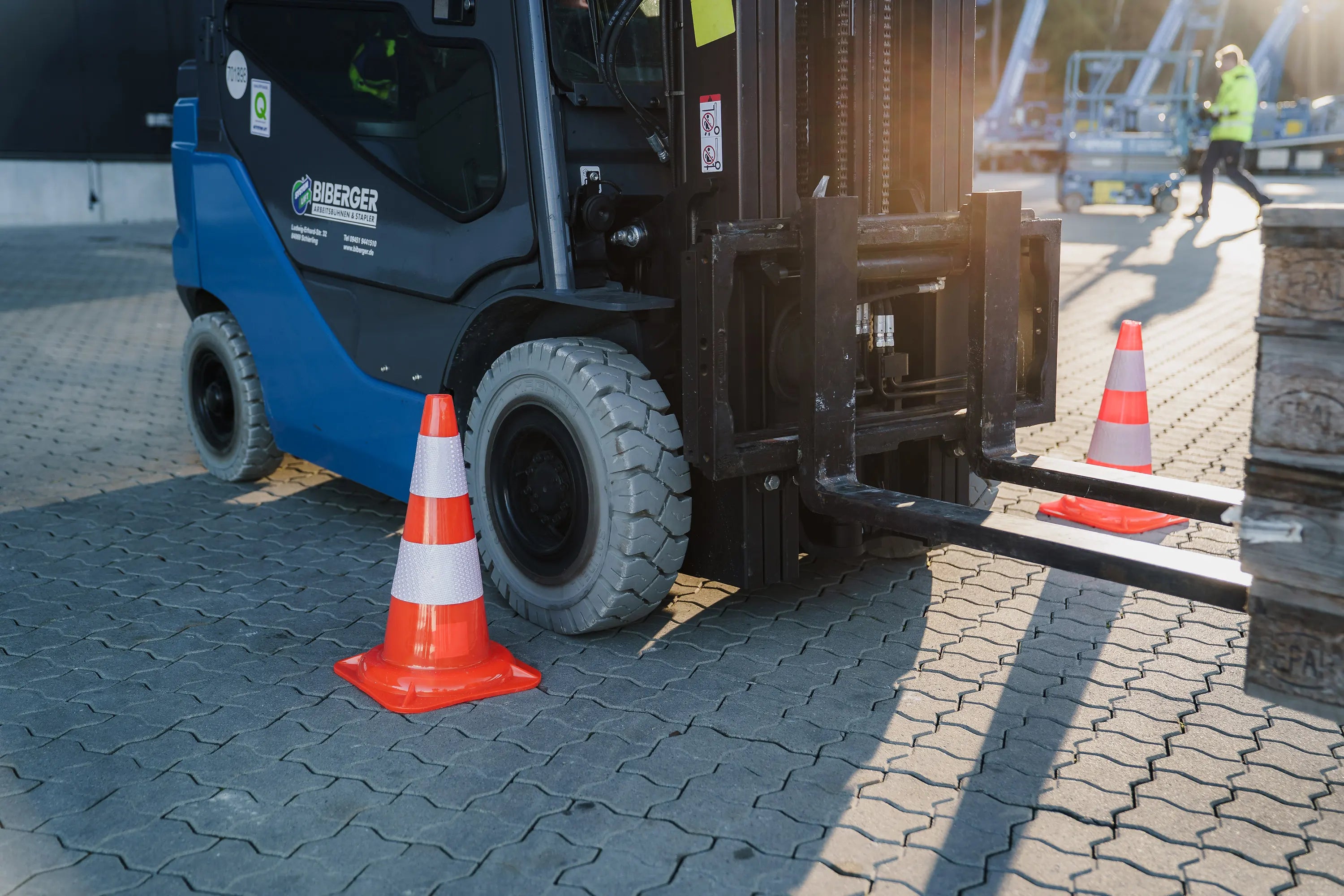
- For forklifts and telehandlers you need a forklift license
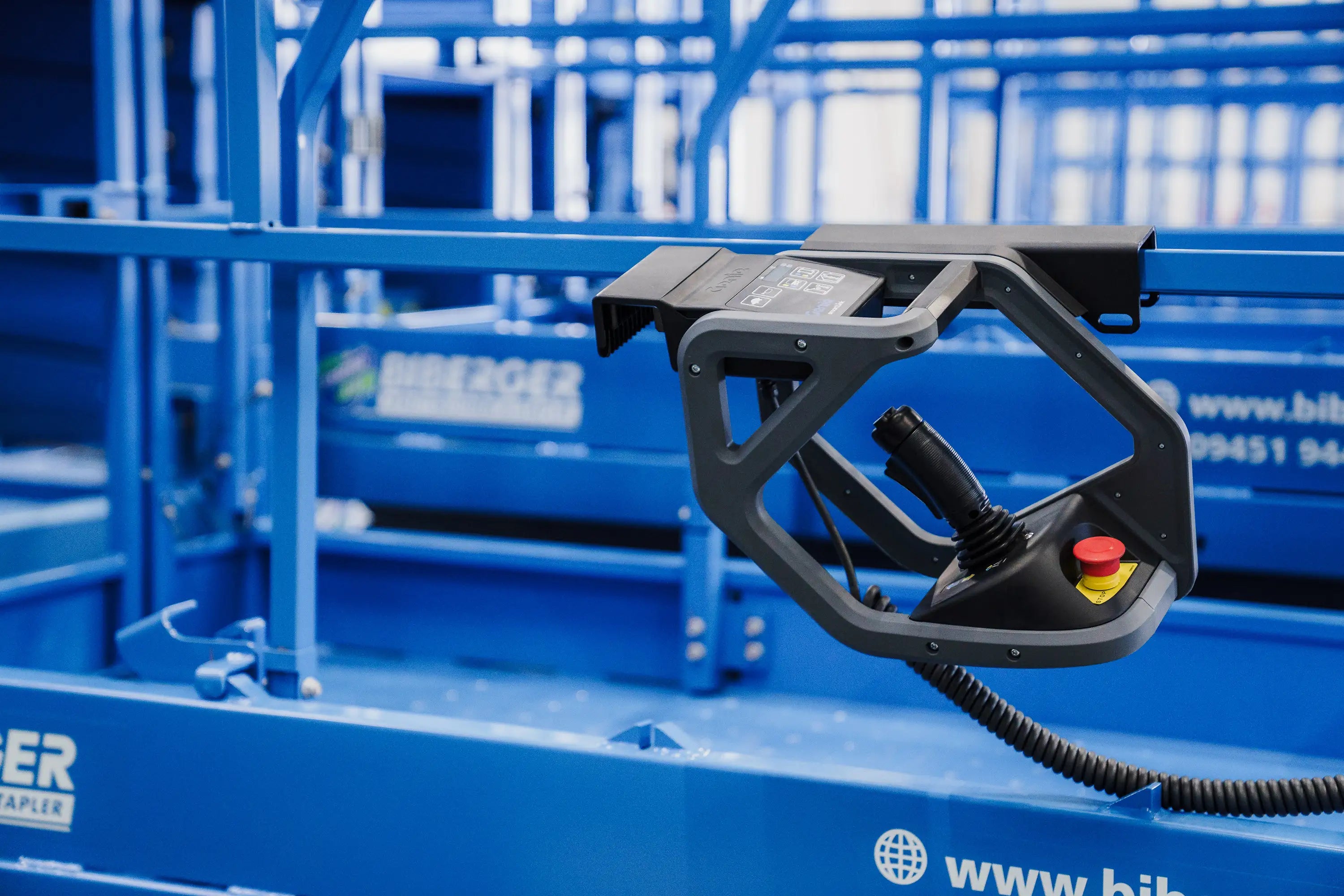
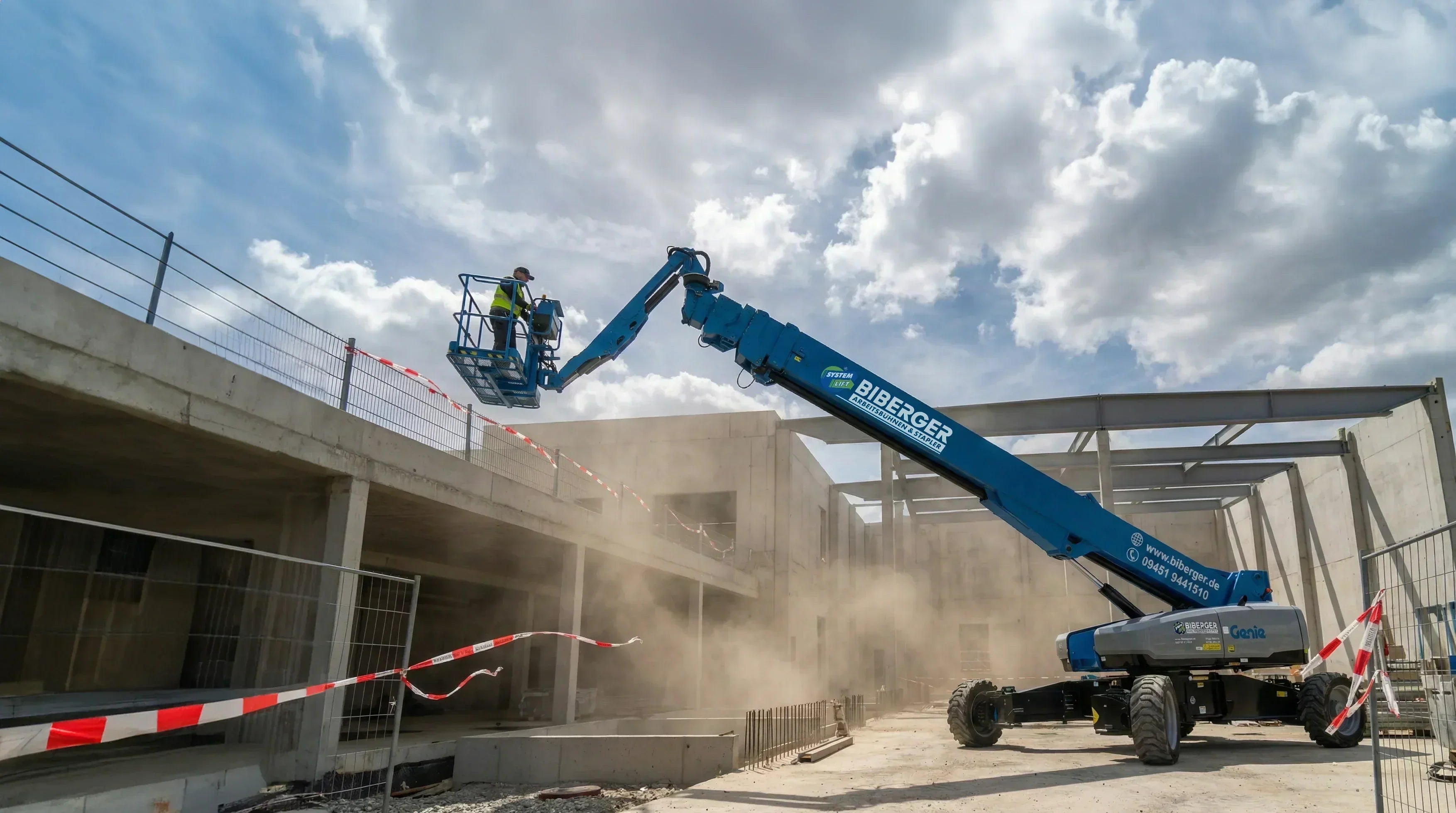
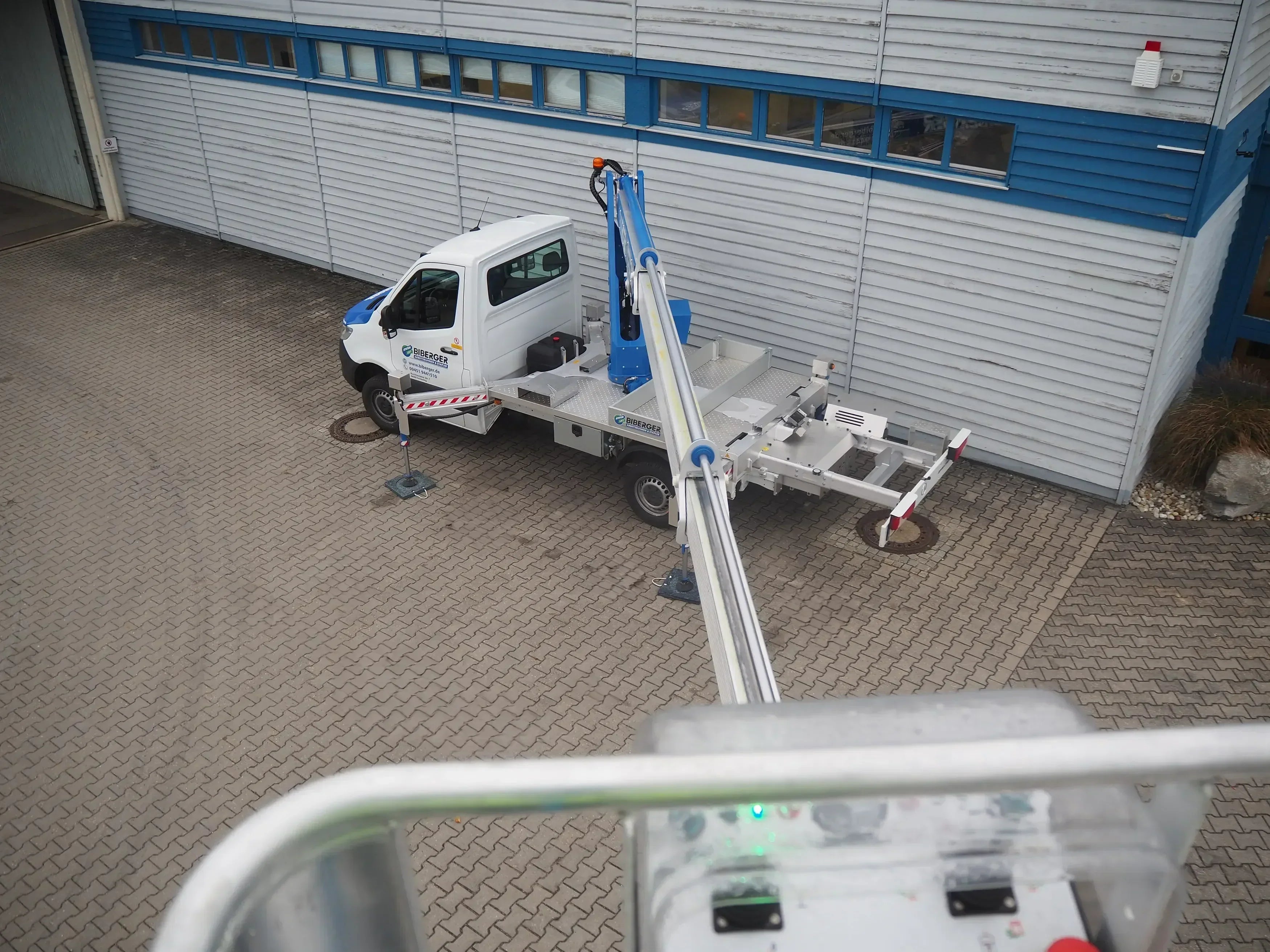
- For mobile elevating work platforms , training in accordance with DGUV is mandatory
We cover both topics in separate articles. You can find the information here:




Share:
Work platforms for municipal construction yards: efficient use in road and green space maintenance
How much load and height can a crane handle? Lifting capacity and reach of the largest cranes
Our editorial quality standards
The subject content on biberger.de are editorially created, reviewed, and continuously updated. The basis is our daily work with aerial platforms, telehandlers, and industrial trucks – in rental, sales, operational planning, and technical support.
Each article draws on real-world experience and is editorially reviewed for clarity, accuracy, and practical relevance according to expert criteria. Technical statements are regularly compared against current industry standards and best practices.
The aim of our publications is to make reliable specialist knowledge accessible and to offer guidance to users, decision-makers and industry partners. BIBERGER sees itself as an independent information platform for safe, economical and modern height access technology – well-founded, comprehensible and free from advertising influence.