






 What You Need to Know
Among aerial work platform manufacturers, Genie and JLG are two of the most prominent names. Both companies offer a wide range of aerial work platforms and lifting solutions used in various industries worldwide.
But how do these two manufacturers differ, and which is a better fit for your specific needs? In this article, we compare the history, product lines, market presence, and user experiences of Genie and JLG to help you make an informed decision.
The story of Genie and JLG
genius
Founded in 1966 by Bud Bushnell in Seattle, Washington, Genie began producing material lifting equipment powered by compressed air. The name "Genie" is derived from the original technology, which resembled a "genie in a bottle." In 2002, Genie was acquired by Terex Corporation and has since become an integral part of Terex Aerial Work Platforms. Today, Genie is recognized worldwide for its innovation and quality in aerial work platform manufacturing.
JLG
JLG Industries was founded in 1969 by John L. Grove in McConnellsburg, Pennsylvania. The company revolutionized the industry by introducing the world's first self-propelled aerial work platform. In 2006, JLG was acquired by Oshkosh Corporation. JLG is known for its continuous innovation and offers a variety of aerial access solutions for different applications.
Product lines and innovations
genius
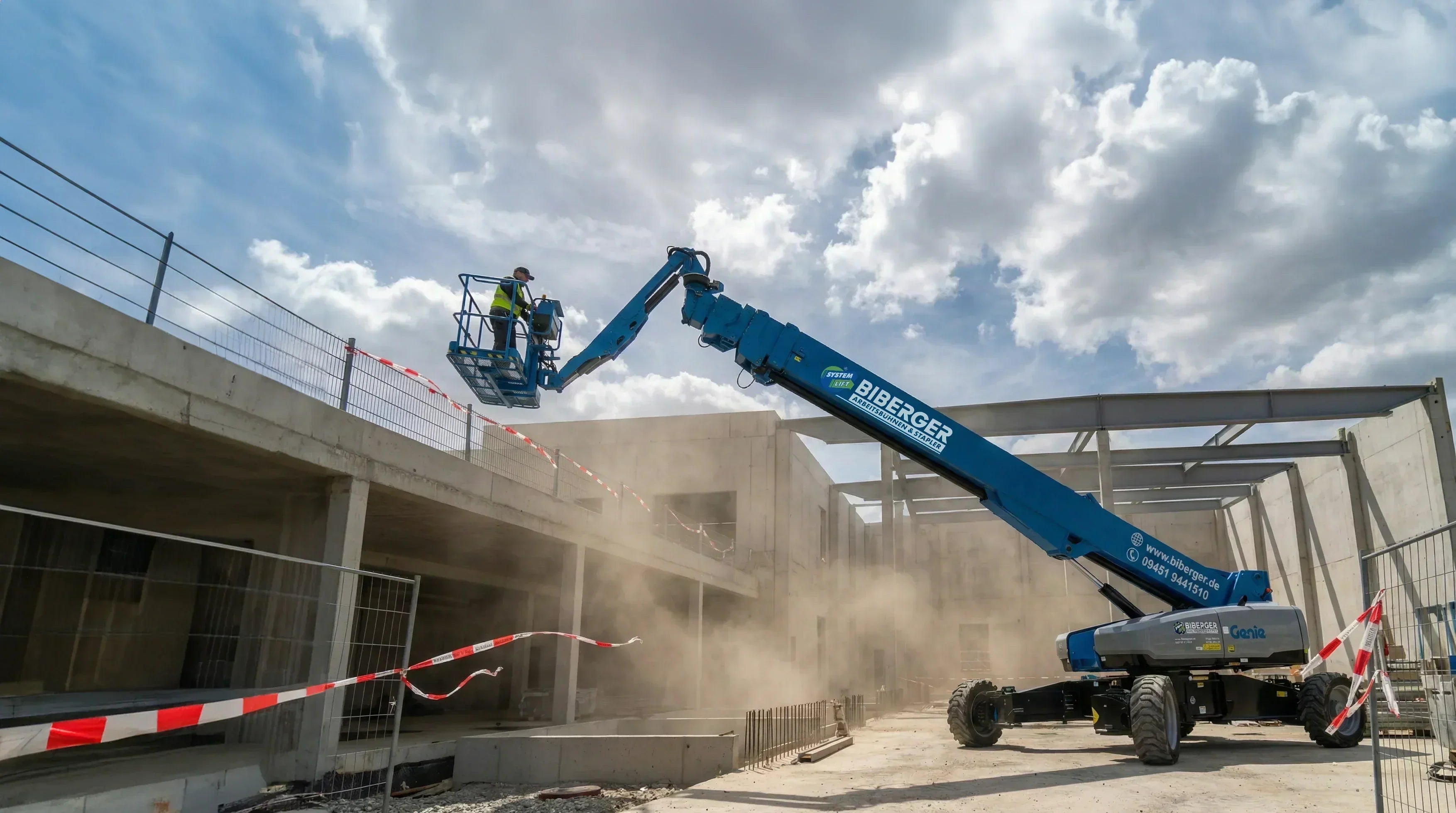
Genie offers a comprehensive range of height access solutions, including:
- Telescopic and articulated telescopic platforms: With working heights of up to 47 meters.
- Scissor lifts: For indoor and outdoor use with various platform sizes.
- Material lifts: For the vertical transport of materials.
- Telehandlers: Versatile machines for material handling.
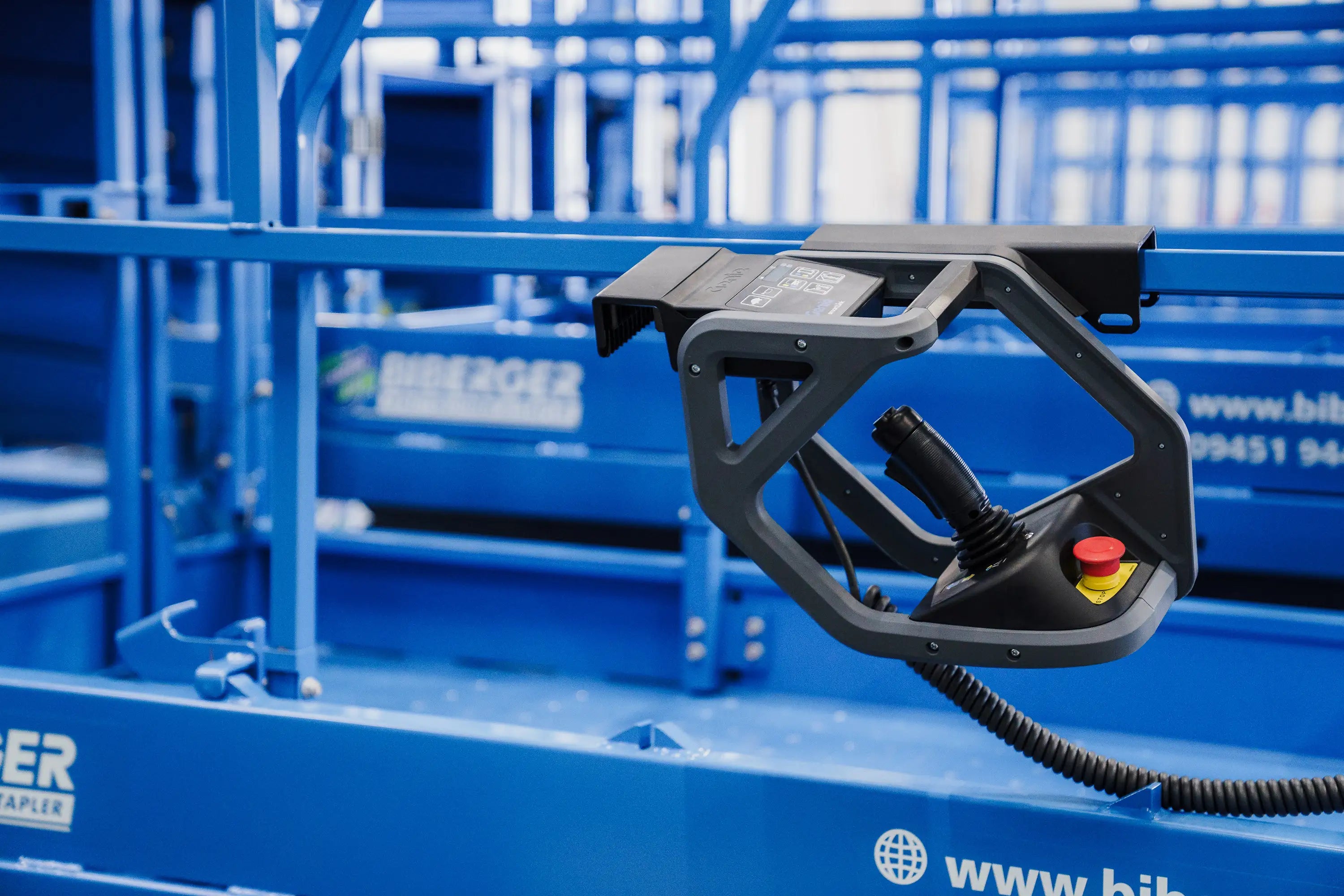
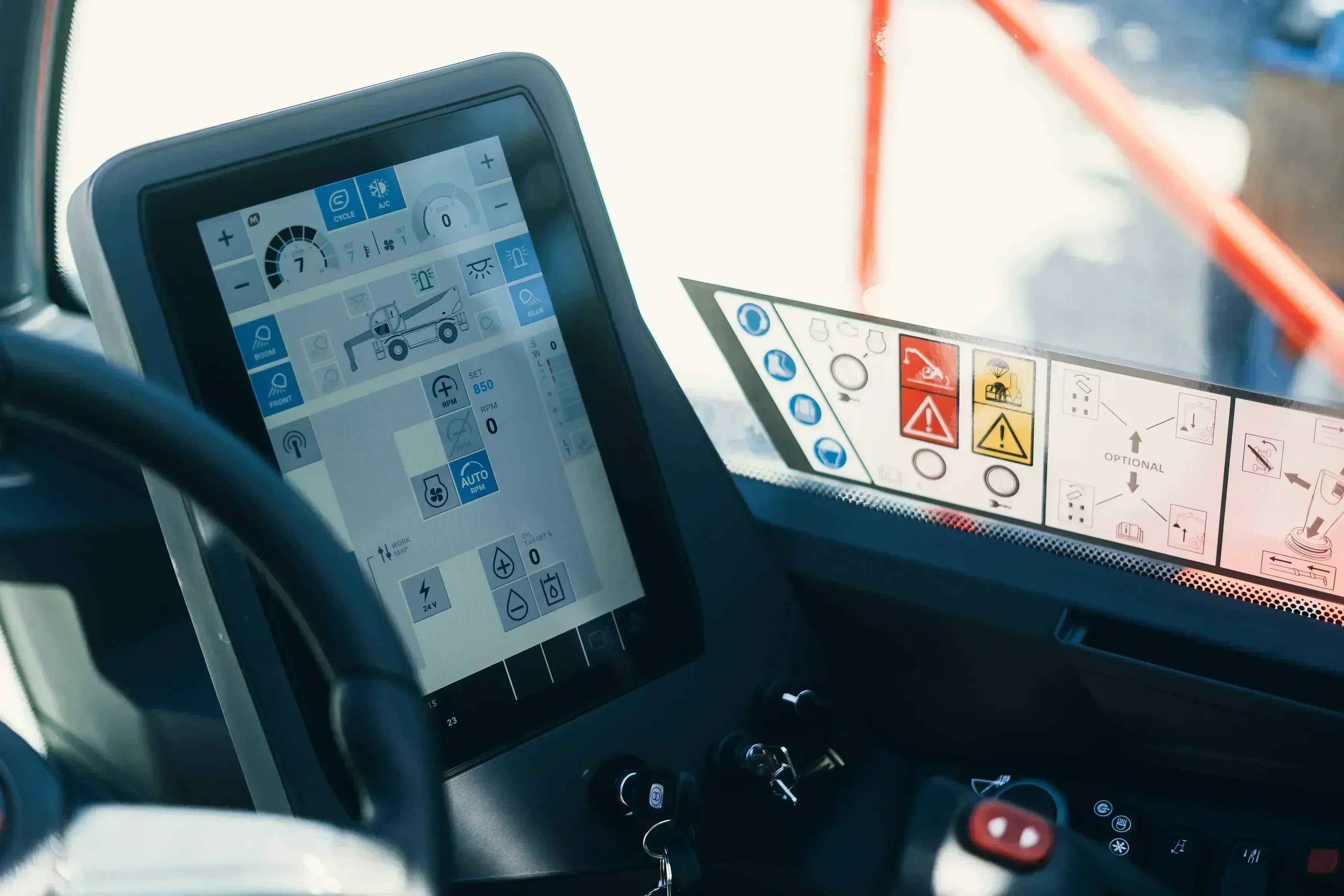
A notable Genie feature is the SmartLink™ control system, which enables intuitive operation and improved diagnostics. Genie also introduced the Xtra Capacity (XC) design, which offers increased platform capacity for heavier loads.
JLG
JLG's product portfolio includes:
- Telescopic and articulated telescopic platforms: With reaches of up to 58 meters.
- Scissor lifts: Suitable for both rough terrain and flat surfaces.
- Vertical mast platforms: Compact solutions for tight work areas.
- Telehandlers: With different load capacities and ranges.
JLG is known for its ClearSky™ telematics systems, which provide real-time data on machine performance, as well as for developing the world's largest self-propelled boom lift, the 1850SJ, with an impressive working height of 56.56 meters.
Telehandlers from Genie and JLG compared
Both Genie and JLG offer robust telehandlers specifically designed for material handling on construction sites, in industry, or in agriculture. Genie models such as the GTH-844 and GTH-3007 impress with their high lifting capacity, ease of operation, and versatile attachments. Their specific features make them particularly suitable for use in tight construction sites, in building construction, or for internal transport.
JLG also offers a wide selection of machines with different lift heights and load capacities with its SkyTrak and JLG telehandler series. Models such as the SkyTrak 10054 and the JLG 4017RS are characterized by their long reach, strong ground traction, and off-road capability. These machines are particularly impressive in harsh outdoor applications thanks to their robust construction and intuitive controls.
Both manufacturers offer a wide range of attachments, such as buckets, fork carriages, and load hooks, allowing for flexible use of the machines. In practice, both brands impress with sophisticated design, ease of maintenance, and efficient handling. The selection of the most suitable product depends on the respective application and specific requirements.
Market presence and popularity
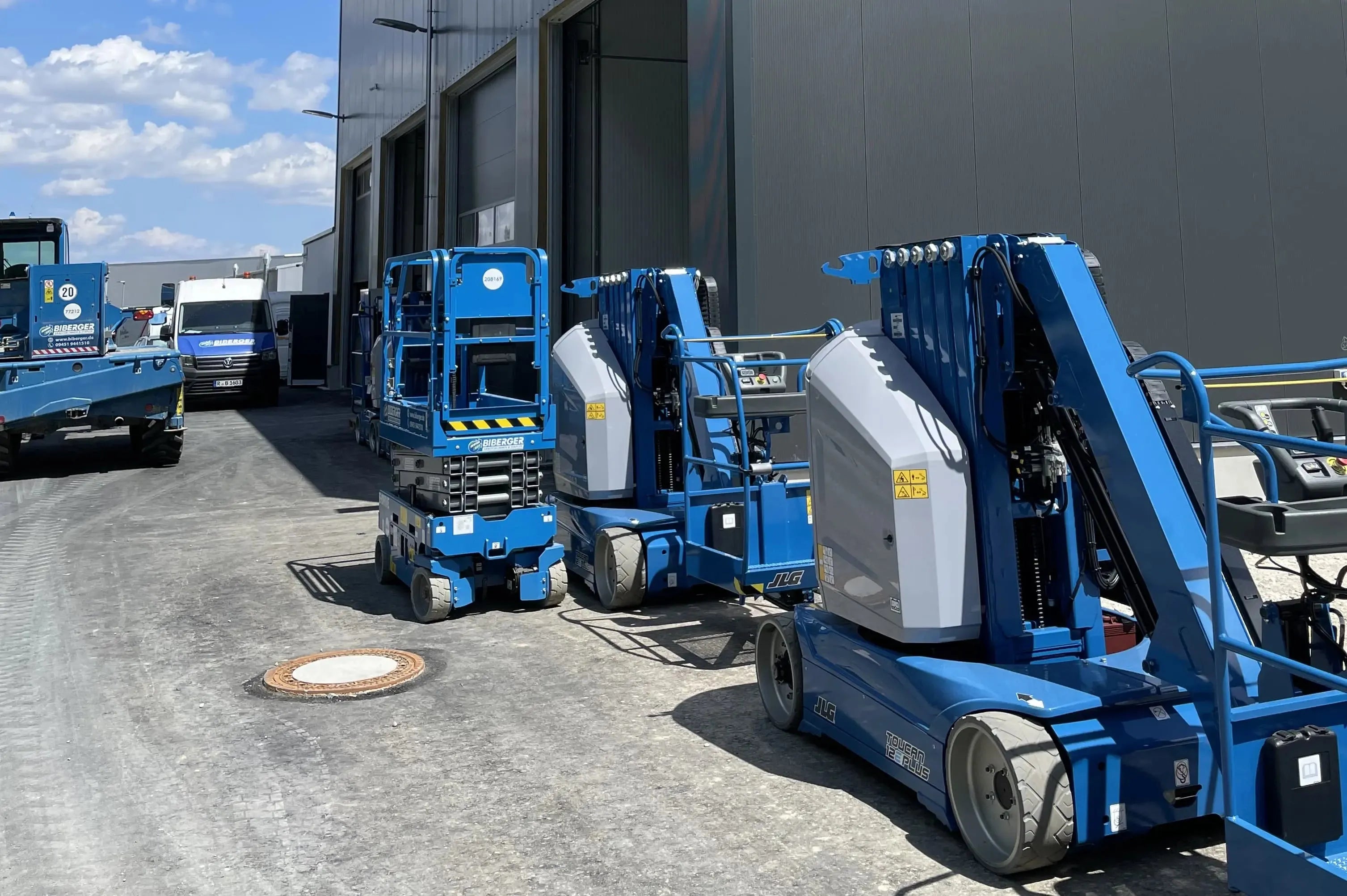
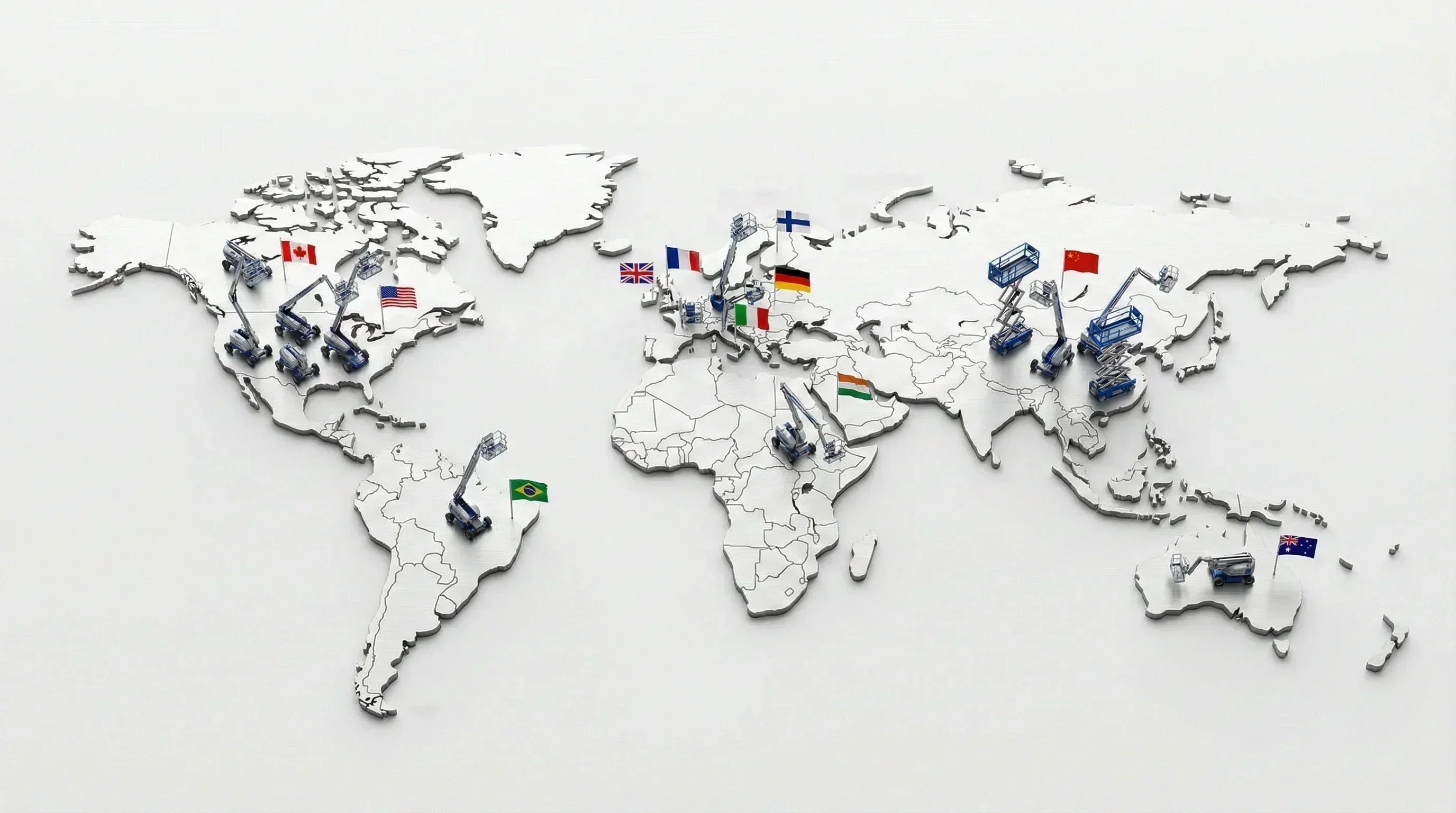
Both companies have a strong global presence and are represented in numerous countries. Their machines are used in construction, industry, logistics, and many other sectors. According to a 2024 LECTURA Specs analysis, models from both manufacturers are among the top 10 most popular aerial work platforms – and this is also reflected in our rental and used equipment sales. Both Genie and JLG aerial work platforms are particularly popular with our customers due to their impressive reliability, performance, and versatility. Whether scissor lifts for indoor use or powerful telescopic boom lifts for demanding applications – both brands are an integral part of our rental fleet.
Popular models
- Genie GS-3246: A scissor lift with a working height of 11.78 meters
- Genie Z-45/25J RT – Articulated boom lift with 15.94 m working height and all-wheel drive for outdoor use.
- JLG 1930ES: A scissor lift with a working height of 7.72 meters.
- JLG 460SJ – Robust telescopic boom lift with 16.02 m working height and high off-road capability.
Safety and ease of maintenance
Both manufacturers place great emphasis on safety features, but their approaches differ. Genie integrates the Lift Guard™ system into many models, providing additional protection for the operator. JLG relies on intuitive controls to prevent operating errors and increase operator comfort.
There are also differences in maintenance: Genie relies on a more modular design, allowing components to be replaced more quickly. JLG, on the other hand, offers increasingly low-maintenance alternatives for indoor and outdoor use with its hybrid and electric drive systems.
User experiences and feedback
In practice, Genie and JLG are often compared because both manufacturers stand for quality and reliability. JLG often scores points for its intuitive operation and robust construction, while Genie is valued for its innovative technologies and modern control systems. Ultimately, choosing the right model depends on individual requirements and personal preferences. Both brands offer a wide range of aerial work platforms that differ in handling, load capacity, and technical features depending on the application.
Genie vs. JLG: Conclusion
Both Genie and JLG are leading manufacturers of aerial work platforms with innovative technology and high quality. Which brand is better for you depends on your needs:
- If you value intuitive controls and robust machines for outdoor use, JLG is the right choice. Their solid construction and high load capacity are particularly impressive on rough construction sites.
- If you're looking for a lighter, more compact design and innovative control systems, Genie is the better option. SmartLink™ technology and the Xtra Capacity (XC) design offer superior usability and load capacity.
- If you need a high working height, JLG offers the world's largest self-propelled boom lift, the 1850SJ. Genie, on the other hand, offers flexible articulating boom lifts and versatile scissor lifts for tight work areas.
It's best to check the technical specifications and test both brands in practice to find the optimal aerial work platform for your application. Thanks to our large rental fleet , you have the opportunity to try out various Genie and JLG models and see for yourself what their strengths are.



Share:
Merlo vs. Magni – Telehandlers in comparison
Aerial platform leasing or rental?
Our editorial quality standards
The subject content on biberger.de are editorially created, reviewed, and continuously updated. The basis is our daily work with aerial platforms, telehandlers, and industrial trucks – in rental, sales, operational planning, and technical support.
Each article draws on real-world experience and is editorially reviewed for clarity, accuracy, and practical relevance according to expert criteria. Technical statements are regularly compared against current industry standards and best practices.
The aim of our publications is to make reliable specialist knowledge accessible and to offer guidance to users, decision-makers and industry partners. BIBERGER sees itself as an independent information platform for safe, economical and modern height access technology – well-founded, comprehensible and free from advertising influence.