





 What You Need to Know
Buying used aerial work platforms often sounds attractive: The investment is lower than for new equipment, and many machines appear ready for use at first glance. But the devil is in the detail.
Hidden defects can result in high repair costs and, in the worst case, endanger safety. This practical guide highlights the most common problem areas, their typical signs, and the associated costs – giving you a clear basis for making decisions.
Typical hidden defects
hydraulic system
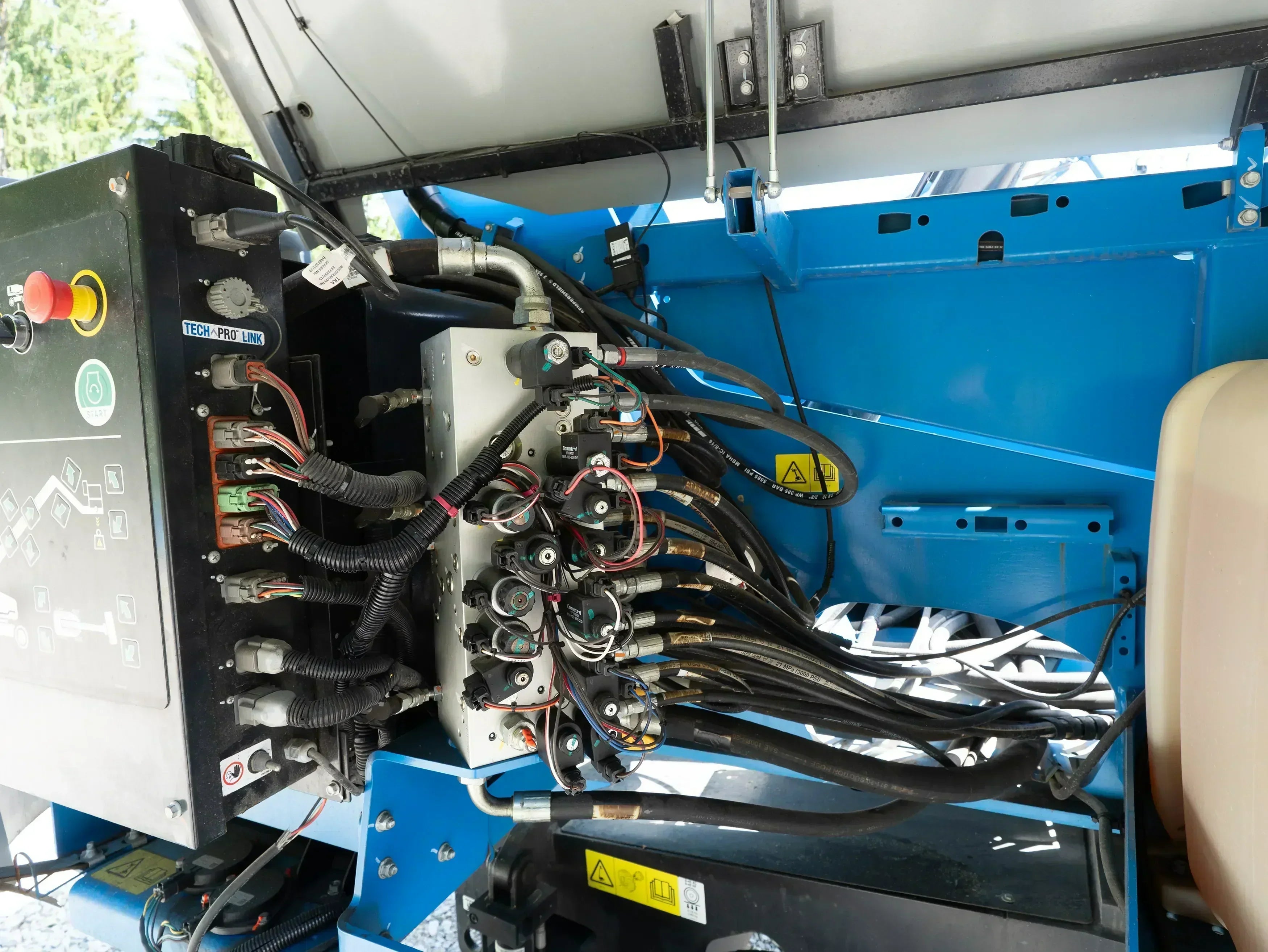
The hydraulic system controls all of the stage's movements. Even minor defects can cause downtime or safety risks. Typical hidden problems include:
| Shortage | Identification mark | Costs (€) | risk |
|---|---|---|---|
| Seals worn out | Oil traces, pressure loss | 800–2,500 | high |
| Contaminated hydraulic oil | Discolored, smells burnt, overheating | 300–800 | medium |
| Internal hose damage | Hard surface, blistering | 500–1,200 | high |
| Cylinder damage | Jerky movements, pressure drop | 1,500–3,500 | high |
Mast and boom
The mast and boom are load-bearing structural components. Damage to these components directly affects the stability of the machine and poses significant risks.
| Shortage | Identification mark | Costs (€) | risk |
|---|---|---|---|
| Cracks in the lifting mast | Only detectable with careful visual inspection | 2,000–8,000 | very high |
| Weld cracks | Color changes in weld seams | 1,500–5,000 | high |
| Joint and bearing wear | Play, creaking when moving | 400–1,500 | medium |
| Telescopic guides worn | Scratches, stiff movement | 600–2,000 | medium |
Work basket and platform
People work directly in the work basket. Defects in this area have a direct impact on operator safety.
| Shortage | Identification mark | Costs (€) | risk |
|---|---|---|---|
| Platform deformed | Wobbles, uneven gaps | 800–2,500 | high |
| Door contacts defective | Reacting delayed or not at all | 150–400 | high |
| Railing loose | Screws loosen, play exists | 200–800 | very high |
| Floor plate rusted through | Soft spots, rust from below | 500–1,500 | high |
Tires and wheels
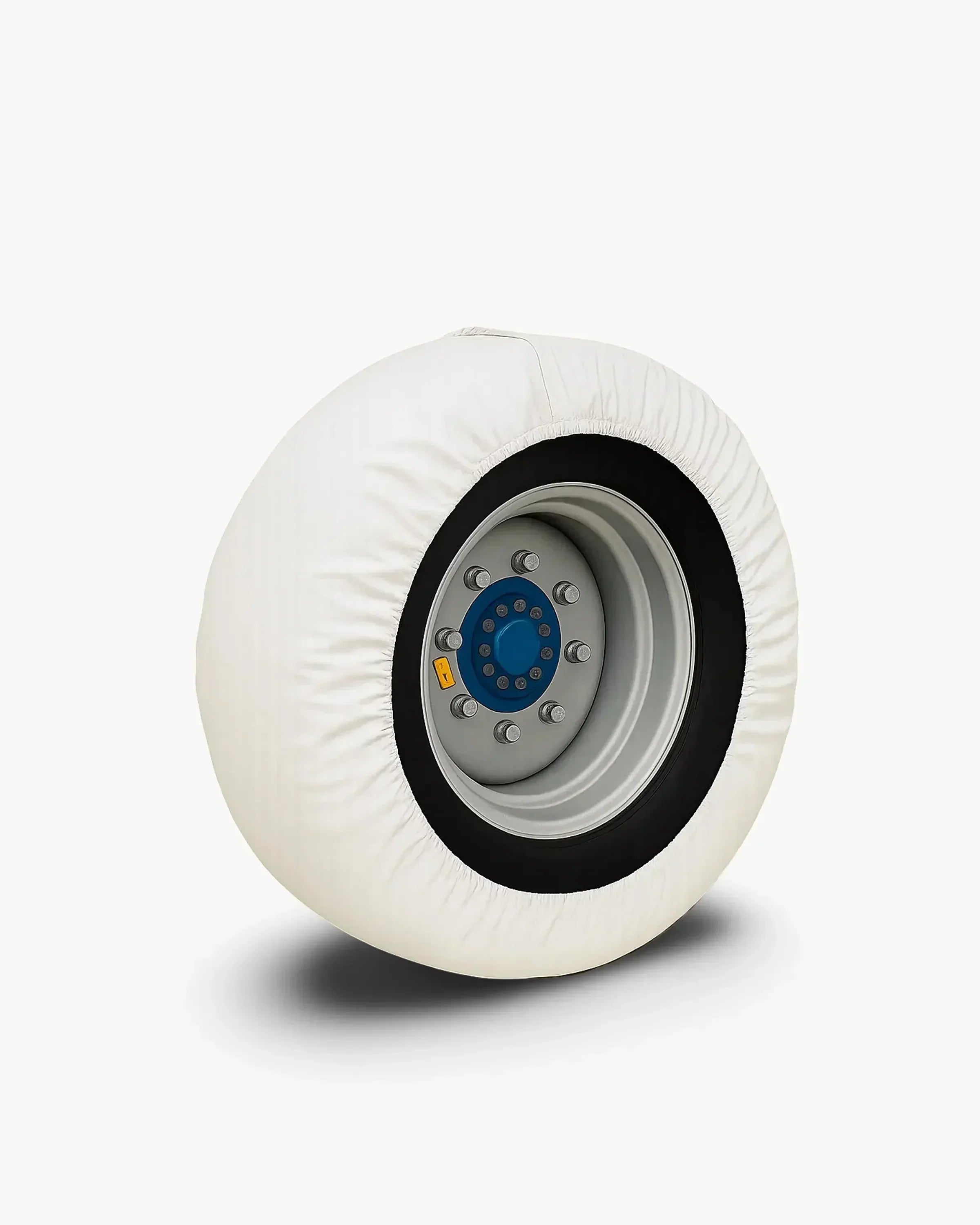
Tires and wheels support the entire machine. Damage is often underestimated, but it is crucial for stability and safety.
| Shortage | Identification mark | Costs (€) | risk |
|---|---|---|---|
| Solid rubber tires with cracks | Surface cracks, hardness changes | 300–800 per tire | medium |
| Rim damage | Dents, paint chips | 200–600 per rim | medium |
| Uneven abrasion | Different tread depths | 400–1,200 per tire | medium |
| Wheel bearings worn out | Play, noises while driving | 300–800 | high |
Electrical components
The electronics of modern stages are complex. Even minor defects can lead to costly downtime.
| Shortage | Identification mark | Costs (€) | risk |
|---|---|---|---|
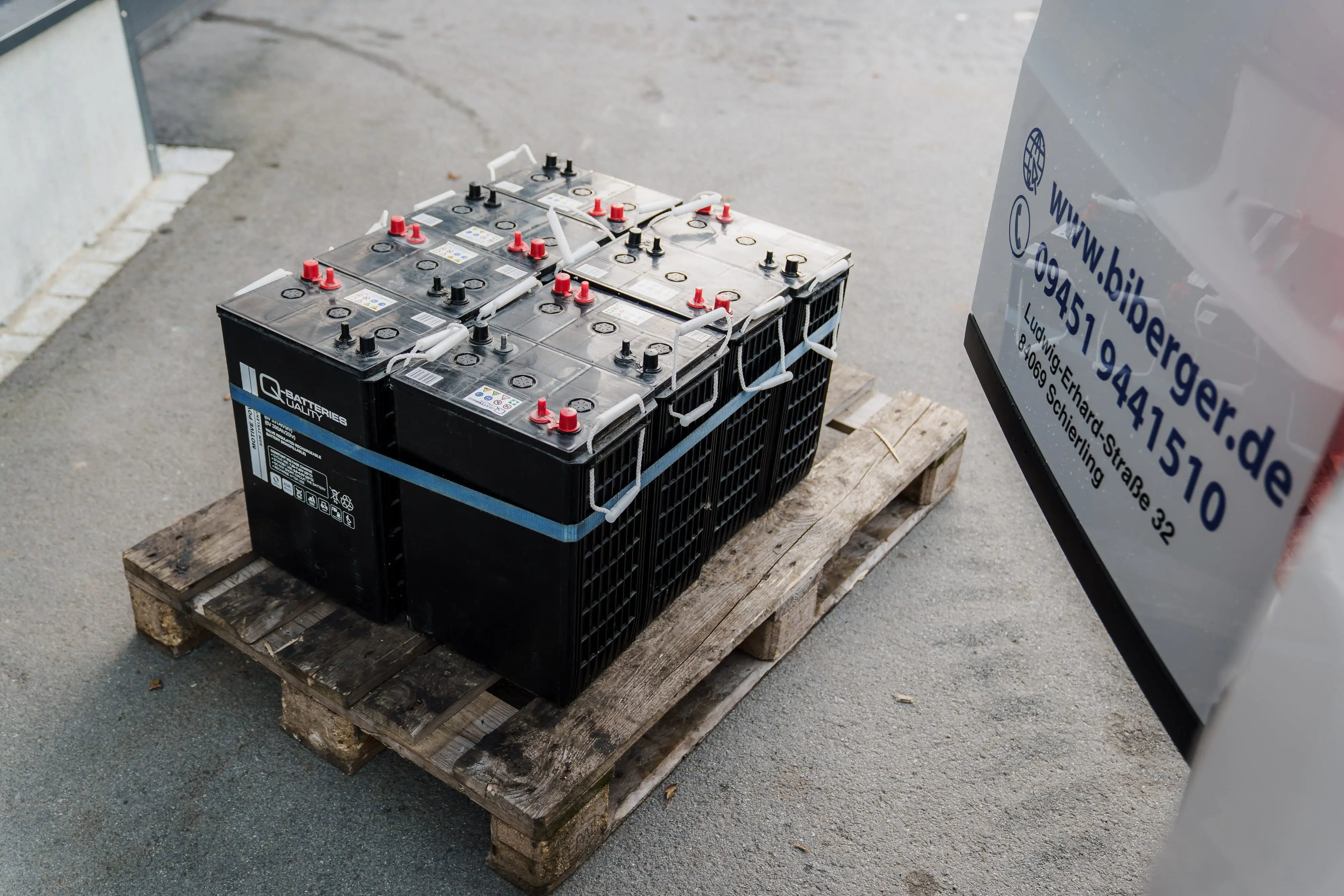
| Battery deeply discharged | No longer holds a charge | 800–2,500 | high |
| Cable insulation damaged | Cracks, hidden short circuits | 200–800 | medium |
| Charger defective | Aborts after seconds, error message | 400–1,200 | medium |
| Control boards oxidized | Unpredictable malfunctions | 500–1,500 | high |
Safety devices
Safety features are vital. Defective systems must not remain in use, as they conceal risks.
| Shortage | Identification mark | Costs (€) | risk |
|---|---|---|---|
| Tilt sensor drifts | False alarms | 300–800 | very high |
| Overload protection defective | Overload is not detected | 400–1,000 | very high |
| Emergency lowering blocked | No function in the test | 800–2,000 | very high |
| Locks worn out | Play, stiff | 300–900 | high |
Structural and accident damage
Accident damage is often concealed. Without professional inspection, it remains invisible – with expensive consequences.
| Shortage | Identification mark | Costs (€) | risk |
|---|---|---|---|
| Chassis deformed | Only detectable by measurement | 5,000–15,000 | extremely high |
| Boom suspension overloaded | Visible damage to suspension points | 2,000–8,000 | high |
| Weld seams cracked | Only visible through crack testing | 1,000–4,000 | high |
| Supports warped | Not parallel | 800–2,500 | medium |
drive system
The drivetrain is a costly risk factor, especially in diesel engines. Damage isn't always immediately detectable.
| Shortage | Identification mark | Costs (€) | risk |
|---|---|---|---|
| Diesel engine worn out | Loss of power, compression test | 3,000–8,000 | high |
| Fuel filter clogged | Dark discoloration, poor performance | 100–300 | medium |
| Cooling system calcified | Discolored water, overheating | 500–1,500 | high |
Special risks when purchasing abroad
When importing from abroad, in addition to the usual defects, significant hidden costs can arise. These primarily relate to customs duties, documentation, and retrofitting.
| risk | Typical problems | Costs (€) | impact |
|---|---|---|---|
| Customs & Taxes | Anti-dumping duties, import VAT | + up to 40% of the purchase value | high additional costs |
| Missing documentation | Fake or missing test books | several thousand | expensive retrofitting necessary |
| Quality defects | Welding defects, missing CE marking | variable, several thousand | Rework mandatory |
| Spare parts & service | Parts only abroad, long delivery times | high, often over individual shipping | Downtime |
| Approval & Standards | Lack of EU conformity | several thousand | no use without retrofitting |
| Transport damage | Hidden deformations | variable | Loss of stability |
Strategies for detecting hidden defects
Risks can be significantly reduced with clear measures:
- Always check systematically – use checklists, visual and functional tests.
- Involve experts – especially for expensive machines.
- Require UVV inspection and maintenance history – no purchase without complete documentation.
- Test run under load – check functions in realistic use.
- For imports, plan for customs agents and on-site inspections and consider budget for retrofitting .
Conclusion: Why a reputable seller is crucial
Hidden defects can result in five-figure repair costs and pose a serious safety risk. A reputable seller ensures transparency: They provide a complete maintenance history , valid accident prevention inspections , and comprehensive documentation. This ensures that your work platform is not only affordable, but also safe and usable for the long term.

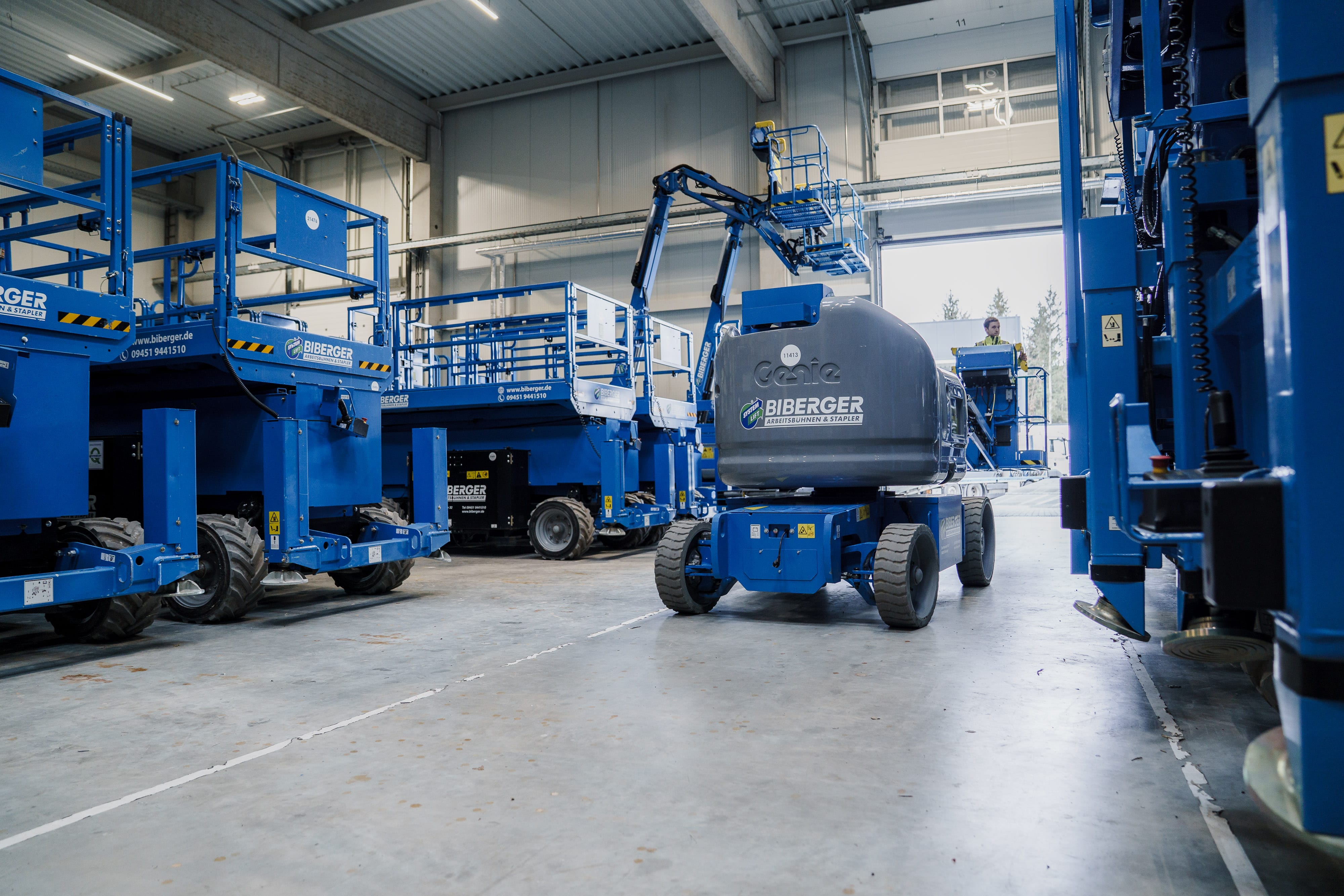
At BIBERGER , we ensure that all used equipment comes with transparent documentation, tested safety, and a clear maintenance history – so you don't experience any unpleasant surprises with your used work platform .




Share:
Toyota forklift error codes: understand, check, and fix safely
The Euro pallet: Everything about dimensions, standards, deposit systems and practice
Our editorial quality standards
The subject content on biberger.de are editorially created, reviewed, and continuously updated. The basis is our daily work with aerial platforms, telehandlers, and industrial trucks – in rental, sales, operational planning, and technical support.
Each article draws on real-world experience and is editorially reviewed for clarity, accuracy, and practical relevance according to expert criteria. Technical statements are regularly compared against current industry standards and best practices.
The aim of our publications is to make reliable specialist knowledge accessible and to offer guidance to users, decision-makers and industry partners. BIBERGER sees itself as an independent information platform for safe, economical and modern height access technology – well-founded, comprehensible and free from advertising influence.